 Largo Window
 Why Roofs in Kenneth City Wear Out Faster Than the Warranty Suggests
Kenneth City sits in the middle of Pinellas County, close enough to the Gulf that salt-laden air reaches every roof in town, and squarely inside a stretch of Florida that sees hurricane-force winds, wind-driven rain, and relentless UV exposure every single year. A shingle or underlayment rated for a mild climate somewhere up north is being asked to do a very different job here. The sun bakes asphalt granules loose and dries out sealant strips. Salt air corrodes exposed fasteners, flashing, and metal edges faster than most manufacturers' test data accounts for. Wind-driven rain finds the smallest gap in a flashing detail and turns it into a leak. None of this means Kenneth City homes need exotic materials — it means they need a roof replacement done correctly, with the right materials, fastening pattern, and flashing detail for this specific climate, not a generic install.
We work roofs in this part of Pinellas County regularly, and the failure patterns we see are consistent: granule loss and brittle shingles well before the rated lifespan, corrosion at nail heads and drip edge, and underlayment that has dried out and cracked around penetrations. A roof replacement here should be planned around those realities from day one, not treated as an afterthought.
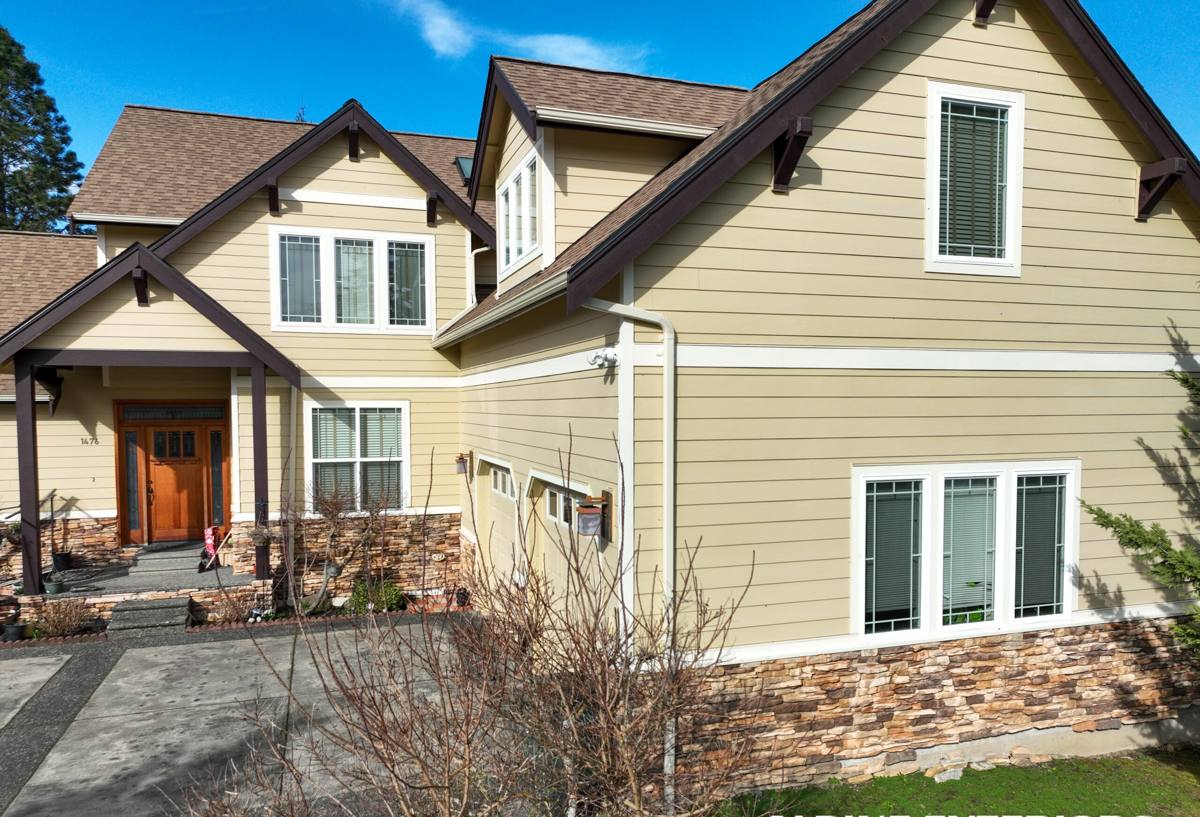
Repair, Recover, or Full Replacement — Knowing Which One You Actually Need
Not every roof problem calls for a full tear-off. But in a coastal, high-UV climate, waiting too long to make that call usually costs more than acting early. A few signs point clearly toward replacement rather than another round of patching:
- Shingles that are curling, cupping, or losing granules across large sections rather than in one isolated spot
- Multiple past repairs in different areas, which usually means the underlayment and decking are failing broadly, not just where the last leak showed up
- Visible sagging in the roof deck, which points to moisture damage underneath the surface material
- A roof already at or past its expected service life, especially one that has been through several hurricane seasons of wind-driven rain
- Recurring leaks around vents, chimneys, or valleys after repairs, indicating the flashing system itself has failed
- Interior signs like ceiling stains, musty odors in the attic, or daylight visible through the roof deck
If your roof shows one or two of these in a contained area, a targeted repair may genuinely be the right call, and we'll tell you that. If it shows several at once, spending more money extending the life of a roof that's already failing usually isn't the better financial decision.
What an Honest Roof Replacement Actually Involves
Tear-Off and Deck Inspection
A correct replacement starts with a full tear-off down to the deck, not an overlay. Overlaying new shingles on top of old ones traps moisture, hides deck damage, and voids most manufacturer warranties outright. Once the old roofing is off, the deck gets inspected board by board. Any wood that's soft, delaminated, or water-stained gets replaced before anything new goes down — skipping this step is the single most common shortcut that leads to early failure.
Underlayment Built for Wind-Driven Rain
In a climate where wind pushes rain sideways and under standard shingle laps, the underlayment layer matters as much as the shingles themselves. We install synthetic or self-adhering underlayment at valleys, eaves, and penetrations, sized to actually resist wind-driven water intrusion rather than just meeting the bare code minimum.
Flashing at Every Penetration
Chimneys, vent stacks, skylights, and wall-to-roof transitions are where most leaks start, not in the open field of shingles. Every one of those details gets new flashing, properly lapped and sealed, sized for the corrosion resistance this coastal air demands.
Fastening and Wind Rating
Florida's building code sets minimum wind-uplift requirements for a reason. We fasten to the nailing pattern and fastener count required for the wind zone, not the minimum a box of shingles technically allows. This is also what determines whether your roof qualifies for wind mitigation insurance credits later.
Ventilation
A roof deck that can't breathe cooks itself from underneath, shortening shingle life regardless of what's installed on top. We check and correct intake and exhaust ventilation as part of the replacement, not as a separate upsell.
Comparing Roofing Materials for a Kenneth City Home
There's no single "best" roofing material — the right choice depends on budget, how long you plan to stay in the home, and how much long-term maintenance you want to take on. Here's how the common options actually compare for this climate:
| Material | Typical Lifespan Here | Coastal/Wind Performance | Relative Cost |
|---|---|---|---|
| Architectural Asphalt Shingle | 15-25 years | Good when properly fastened and rated for the wind zone; most common choice | Lower |
| Standing Seam Metal | 30-50 years | Excellent wind and wind-driven rain resistance; handles salt air well with proper coatings | Higher upfront |
| Concrete or Clay Tile | 30-50 years | Very durable against wind and UV, but underlayment failure underneath can go unnoticed longer | Highest |
| 3-Tab Asphalt Shingle | 10-15 years | Lower wind rating; not our recommendation in this wind zone | Lowest |
We don't install materials or systems we can't stand behind with a straight face. If a lower-cost option comes with real trade-offs in wind performance or long-term moisture behavior, we'll say so plainly and let you weigh the cost against the maintenance burden — not steer you toward whatever's easiest for us to install.
Permits, Wind Mitigation, and Your Insurance
Roof replacement in Pinellas County requires a building permit, and inspections are part of the process, not an optional extra. Skipping permitting to save time is a real liability if you ever sell the home or file an insurance claim — an unpermitted roof can complicate both.
A new roof installed to current code, with documented fastening and materials, typically qualifies for a fresh wind mitigation inspection. That inspection can lower your homeowners insurance premium, sometimes significantly, because insurers price coverage based on how well a roof is expected to hold up in a storm. We provide the documentation you'll need to get that inspection done after the install.
How Our Roof Replacement Process Works
- On-site inspection — we walk the roof and attic, check the deck condition where accessible, and identify the actual cause of any current problems.
- Written estimate — a clear scope of work and price, with material options explained honestly, no pressure tactics.
- Permitting — we pull the required permit before work begins.
- Tear-off and deck repair — old roofing removed, deck inspected and repaired as needed.
- Underlayment, flashing, and installation — installed to the standard this climate actually requires.
- Final inspection and cleanup — county inspection passed, job site cleaned, and a walkthrough with you before we consider it done.
What to Ask Any Roofer Before You Hire Them
Kenneth City homeowners get a steady stream of door-knockers and storm-chasers, especially after any significant weather event. A few questions separate a legitimate local crew from someone passing through:
- Are you licensed to do roofing work in Florida, and can you provide that license number?
- Will you pull the permit yourself, and is that included in the price?
- What underlayment and fastening pattern will you actually use, not just the shingle brand?
- Do you have current liability insurance and workers' compensation coverage?
- Will the deck be inspected and repaired as-needed, or only replaced if I ask?
- What's the manufacturer's warranty, and does your installation meet the terms required to keep it valid?
- Can you provide a local address and references from work in this county, not just a phone number?
Why It Matters That We Already Work in This Area
A roof replacement done by a crew unfamiliar with Kenneth City's specific conditions tends to follow generic instructions — code minimums, standard fastening, whatever underlayment is cheapest. A crew that already works this part of Pinellas County knows which flashing details fail first in salt air, which valleys take the worst of wind-driven rain in a typical summer storm, and what it actually takes to pass inspection and qualify for wind mitigation credit here. That local knowledge shows up in details you won't see on a spec sheet, but you'll feel the difference the first time a named storm rolls through.
Get a Straight Answer About Your Roof
If your roof is showing its age, or you just want an honest opinion on whether repair or replacement makes sense, we're glad to take a look. The estimate is free, there's no pressure, and we'll tell you plainly what we find. Use the form below to request one.