 Largo Window
 Why Madeira Beach Roofs Wear Out Faster Than Most
Madeira Beach sits right on the Gulf, which means every roof here is doing double duty: shedding intense, near-daily UV exposure and standing up to salt-laden air that never really lets up, even on calm days. Add in wind-driven rain during summer storm season and the occasional direct hit from a tropical system, and you've got a roofing environment that's tougher on materials than almost anywhere inland in Pinellas County. A shingle rated for 25-30 years in a drier, cooler climate often doesn't make it that long a few blocks from the water.
None of this means a Madeira Beach roof is doomed to fail early — it means the replacement has to be done with those conditions in mind from the start: the right materials, the right fastening schedule, and flashing and ventilation details that account for salt exposure and wind uplift, not just a generic install.
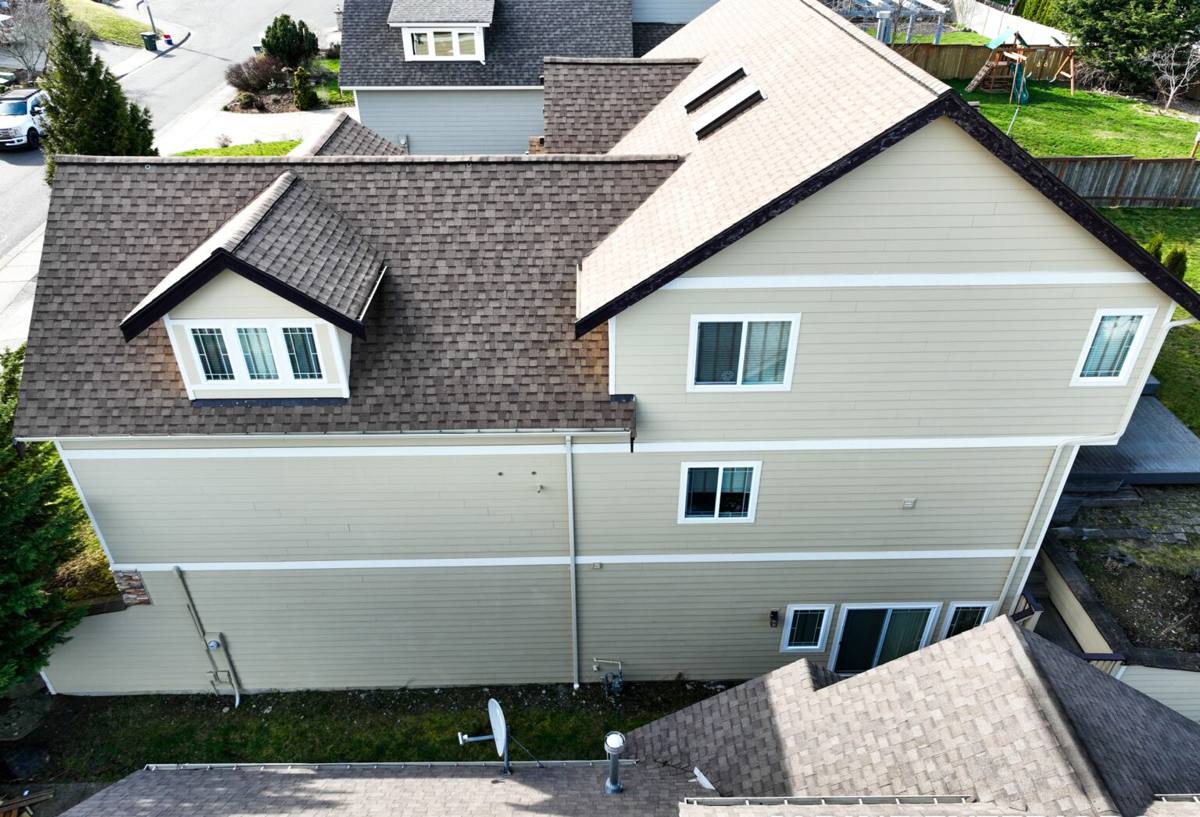
Repair or Replace? Reading the Signs
Not every roof problem means a full replacement, but on barrier island homes the window between "repairable" and "replace it now" can close faster than homeowners expect, especially once water has been getting underneath the roofing material for a while. Signs it's time to stop patching and start planning a replacement include:
- Granule loss heavy enough that shingles look patchy or bald in sun-exposed areas
- Curling, cupping, or cracked shingles, especially on south- and west-facing slopes
- Soft spots in the decking when walked, or sagging visible from the ground
- Recurring leaks in the same area even after repairs
- Rusted, lifted, or corroded flashing around chimneys, vents, and skylights
- A roof approaching or past its expected service life, particularly if it's never been reworked since original construction
- Visible daylight or staining in the attic along the roof deck or rafters
If you're seeing two or more of these at once, that's usually the point where a repair is just delaying a bigger bill rather than solving the problem.
What Actually Goes Into a Correct Roof Replacement
A roof replacement is more than stripping old shingles and nailing down new ones. Done correctly, especially this close to the Gulf, it involves several layers working together:
Decking Inspection and Repair
Once the old roofing is off, the plywood or OSB decking underneath gets inspected board by board. Any wood that's soft, delaminated, or water-stained needs to be replaced before anything new goes down — covering over bad decking is one of the most common shortcuts that leads to early failure.
Underlayment
A synthetic or self-adhering underlayment provides the roof's real waterproofing layer. In wind-driven rain, which is common in coastal storms, water can be pushed under the surface roofing material, so the underlayment (and how it's lapped and sealed at seams) matters as much as the shingles or panels themselves.
Flashing
Flashing around chimneys, vent pipes, skylights, and roof-to-wall transitions is where most leaks actually start. Salt air accelerates corrosion on lower-grade or improperly sealed flashing, so material choice and installation detail here deserve real attention, not an afterthought.
Ventilation
Proper intake and exhaust ventilation keeps attic temperatures and moisture in check, which extends the life of the roofing material and helps prevent moisture-related wood rot in the deck and framing over time.
Fastening for Wind
How and where every fastener goes matters more here than in low-wind regions. Nailing patterns, fastener count, and adhesive sealing at the shingle tabs (or clip spacing on metal) are what actually determine how a roof performs when wind gets under the edges.
Roofing Material Options for a Barrier Island Home
There's no single "best" roofing material for Madeira Beach — the right choice depends on your home's structure, your budget, and how much long-term maintenance you're willing to take on. Here's an honest comparison of the main options we install:
| Material | Wind Performance | Salt Air Durability | Typical Lifespan | Relative Cost |
|---|---|---|---|---|
| Architectural asphalt shingle | Good, when rated and installed for high wind | Good with quality granule/fastener spec | 20-30 years | Lowest |
| Standing seam metal | Excellent | Very good with proper coatings and fasteners | 40-50+ years | Higher |
| Concrete or clay tile | Very good when properly fastened | Good, tile itself is inert | 40-50+ years | Higher |
Tile and metal generally cost more upfront but ask less of you in maintenance and hold up longer against sun and salt. Asphalt shingle remains a solid, budget-conscious choice as long as it's a wind-rated product installed with the fastening and sealing details this coastal environment calls for. We'll walk you through what fits your home and budget rather than pushing one option across the board.
Wind Uplift, Building Code, and Insurance Wind Mitigation
Florida's building code sets wind-uplift and fastening standards that are stricter along the coast than they are further inland, and Pinellas County enforces those requirements through permitting and inspection on every reroof. A correctly permitted, code-compliant replacement isn't just paperwork — it's what actually keeps the roof attached in high wind.
It's also worth doing at the same time as your reroof: a wind mitigation inspection. Insurers use these inspections to price coastal homeowners' policies, and a new roof installed to current code, with documented fastening and updated flashing, can often improve your wind mitigation credits. We can point you toward a licensed inspector for this — it's a separate report from the roofing work itself, but the two go hand in hand for barrier island homes.
Salt Air, Fasteners, and Long-Term Corrosion Protection
Salt air corrodes ordinary fasteners, flashing, and hardware faster the closer you get to the Gulf. On a Madeira Beach reroof, that means using corrosion-resistant fasteners and flashing rated for coastal exposure rather than standard-grade materials that might be fine a few miles inland. It's a small line item on an estimate that has an outsized effect on how long flashing and fastener heads actually last before they rust, loosen, or stain the roof.
Gutters, drip edge, and any exposed metal trim deserve the same consideration. Cutting corners here doesn't show up as a problem on install day — it shows up two or three years later as rust streaks and loosening flashing.
Our Roof Replacement Process, Start to Finish
- On-site inspection. We walk the roof and attic, check the decking, flashing, and ventilation, and take photos of anything relevant to the estimate.
- Honest written estimate. You get a clear scope of work and material options in writing, with no pressure to decide on the spot.
- Permitting. We pull the required Pinellas County permit and handle the inspection scheduling that comes with it.
- Tear-off and deck inspection. Old roofing comes off, and every section of decking gets checked before anything new goes down.
- Underlayment, flashing, and roofing installation. Each layer is installed to code and to the wind and salt-exposure standards this location calls for.
- Cleanup and final walkthrough. We clear the site of debris and nails, then walk the finished roof with you before we call the job done.
Why a Crew That Already Works Madeira Beach Matters
Barrier island jobs come with their own logistics: limited staging space on smaller lots, homes on stilts or with unique roof lines, and in some cases HOA or community guidelines about work hours, parking, or exterior appearance. A crew that's already worked in Madeira Beach knows how to plan around those constraints instead of running into them mid-project.
Local familiarity also means knowing which flashing and fastening details tend to fail first on Gulf-front homes, because we've seen it firsthand rather than reading it in a manual. That translates into fewer surprises during tear-off and a roof that's built for the specific way this coastline treats a roof, not a generic install dropped into a coastal ZIP code.
Choosing a Roofing Contractor: A Homeowner's Checklist
Before you sign anything, it's worth confirming a few basics. A contractor who's straightforward about these shouldn't hesitate to answer:
- Are you licensed to perform roofing work in Florida, and can you provide that license number?
- Do you carry general liability and workers' compensation insurance, and can you provide certificates?
- Will you pull the permit yourselves, or is that left to the homeowner?
- What's the manufacturer's warranty on materials, and what's your own workmanship warranty?
- What fastening and flashing standards will you use for a coastal, high-wind location?
- Can you provide a written, itemized estimate rather than a single lump-sum number?
- Who's actually supervising the crew on install day?
If a contractor is vague on any of these, that's worth treating as a warning sign rather than a minor detail.
If your roof is showing wear, past its expected service life, or you just want a second, honest opinion before you commit to a repair, we're glad to come take a look. The estimate is free, there's no pressure, and you'll get a straight answer about what your roof actually needs — just fill out the form below to get started.