 Largo Window
 Storm Damage on a Barrier Island Roof Is Different
Madeira Beach sits right on the Gulf, and that location changes what "storm damage" actually means for a roof. A few miles inland in Largo, a roof might take wind and rain damage from a passing storm. On the barrier island, that same roof is also fighting constant salt spray, near-daily UV exposure off open water, and wind loads that hit harder because there's nothing between the house and the Gulf to slow the gusts down. When we get called out to Madeira Beach after a storm, we're rarely looking at just one problem — we're usually looking at wind damage layered on top of months or years of salt-air wear that made the roof more vulnerable in the first place.
This page covers what storm damage roof repair actually involves for homes in and around Madeira Beach and Largo — what to look for, what a correct repair includes, and how we approach the job so it holds up through the next storm instead of just patching what's visible.
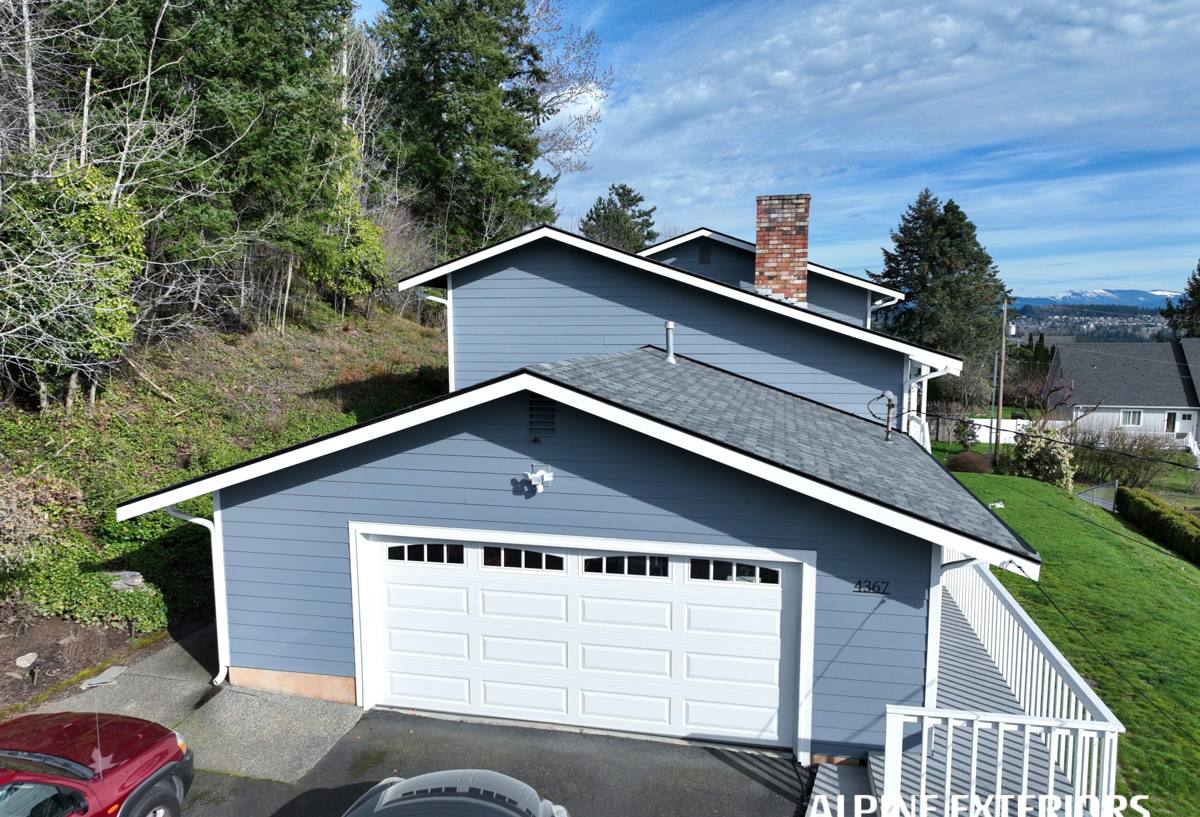
What Storm Damage Actually Looks Like
Most homeowners spot the obvious stuff — a torn-off section of shingles, a tarp a neighbor already has up, or a stain spreading across a ceiling. But a lot of storm damage doesn't announce itself right away, and on a Pinellas County roof exposed to wind-driven rain, the damage you can't see is often the damage that costs the most if it's ignored.
Visible Damage
- Missing, cracked, or curled shingles, especially along roof edges and ridge lines where wind uplift concentrates
- Lifted or displaced tiles on tile roofs, even if none actually came off the roof
- Dented or creased metal panels and flashing
- Debris punctures from branches or wind-carried objects
- Torn or lifted underlayment visible at roof edges
Hidden Damage
- Wind-driven rain forced up under shingles or tiles that look intact from the ground
- Compromised seals around vents, pipe boots, and flashing that let water in slowly rather than all at once
- Saturated decking under a roof surface that still looks fine
- Granule loss on asphalt shingles that thins out UV protection without an obvious visual sign
- Fastener backout from repeated wind flexing, which loosens the roof's grip well before a shingle or tile actually blows off
This is why a proper storm damage inspection isn't just a walk around the yard looking up. It means getting on the roof (or using a drone when access or safety is a concern) and checking the details that actually determine whether water is getting in.
Why Madeira Beach's Climate Makes This Worse
A few conditions specific to this stretch of the Gulf coast play into almost every storm repair we do out here:
Salt Air
Salt carried in off the Gulf accelerates corrosion on metal fasteners, flashing, and roof vents. A roof that's been up for a decade on the barrier island has typically seen more corrosion stress on its metal components than a similar-age roof further inland. That matters after a storm because corroded fasteners hold less well under wind uplift — they're part of why storm damage can be more extensive here for the same wind speed.
Year-Round UV
Florida sun is intense in general, but a roof with open exposure near the water gets very little relief. UV breaks down asphalt shingle oils and dries out sealant over time, which means the roofing material has less flexibility to absorb wind stress before it cracks or tears.
Wind-Driven Rain
During tropical storms and hurricanes, rain doesn't just fall — it's pushed sideways and upward under roof edges, flashing, and vents. A roof can survive the wind and still take on significant water damage because the rain found every gap the wind exposed.
Hurricane-Force Wind Loads
Pinellas County's barrier island communities sit in a higher wind-exposure category than more sheltered inland areas. That's reflected in Florida Building Code wind requirements, and it's a real factor in why roofing systems here need higher-rated materials and tighter installation tolerances to perform correctly.
None of this means a Madeira Beach roof is doomed to fail — it means the repair has to account for these conditions specifically, not just replace what blew off and call it done.
Our Storm Damage Repair Process
We approach storm repair as a sequence, not a single visit. Skipping steps is how repairs end up needing to be redone after the next storm.
- Emergency mitigation, if needed. If there's an active leak or exposed decking, the first priority is stopping water intrusion — tarping, temporary flashing, or sealing exposed areas before anything else.
- Full roof inspection. We check the whole roof, not just the area that looks damaged, since wind and water problems often show up away from the most visible point of failure.
- Documentation. Photos and notes of the damage, useful both for our own repair plan and for any insurance claim you're filing.
- Decking assessment. Any area that took on water gets checked for soft spots or saturation before new roofing goes back over it — covering wet decking is how mold and rot problems get sealed in rather than fixed.
- Repair or section replacement. Matching materials as closely as possible, replacing underlayment in the affected area (not just the top layer), and re-securing flashing and fasteners to current code.
- Final inspection. Confirming the repair is watertight and properly fastened before we consider the job done.
Repair vs. Full Replacement
Not every storm-damaged roof needs full replacement, but not every roof should be spot-repaired either. Here's how we generally think through that decision:
| Factor | Leans Toward Repair | Leans Toward Replacement |
|---|---|---|
| Extent of damage | Isolated section, clear boundary | Widespread across multiple roof planes |
| Roof age | Under roughly 10-12 years | Near or past its expected service life |
| Decking condition | Dry, structurally sound | Saturated, soft, or rotted in multiple areas |
| Material availability | Matching material still made/in stock | Discontinued profile or color, hard to match |
| Prior storm history | First significant damage event | Repeated repairs from past storms |
We'll give you a straight answer on which category your roof falls into — we don't have any incentive to push a full replacement on a roof that a proper repair will genuinely fix, and we don't want to send you into another storm season with a patch job on a roof that needs more.
Materials and Code Considerations
Florida Building Code sets wind-resistance and installation requirements that are stricter in high-velocity hurricane zones, and Pinellas County's coastal areas fall under those tighter standards. When we repair or replace a section of roofing, we're not just matching what was there before — we're making sure the repaired section meets current wind-rating and fastening requirements, including:
- Properly rated underlayment for wind-driven rain resistance
- Correct fastener count and pattern for the wind zone, not just what the original install happened to use
- Flashing details around penetrations (vents, pipes, chimneys) sealed to current standards
- Starter strip and edge treatment that resists wind uplift at the vulnerable roof perimeter
This matters for two reasons: it holds up better in the next storm, and it can affect your wind mitigation inspection and insurance premium down the line. A repair done to minimum effort rather than current code can quietly cost you at renewal time.
Working With Your Insurance Claim
Most storm damage repairs in this area involve an insurance claim, and the process goes smoother when the documentation is thorough from the start. We provide detailed photos and a clear description of the damage and scope of repair, which your adjuster can use alongside their own inspection. We're not a public adjuster and we don't negotiate your claim for you, but we'll make sure the roofing side of your documentation is complete and accurate — that's often the difference between a claim that gets approved cleanly and one that gets questioned.
Why Local Experience in Madeira Beach Matters
A crew that mainly works inland roofs can still do competent repair work, but they may not be thinking about the specific combination of salt exposure, wind zone requirements, and barrier-island access logistics that come with working on Madeira Beach. Knowing which materials hold up to Gulf-front salt air, understanding the tighter fastening requirements for this wind zone, and having handled the tide- and traffic-dependent scheduling that comes with island access all shape how a job gets planned and executed. It also means we're not learning the area's building department requirements for the first time on your project.
What to Do Right After a Storm
- Do a ground-level visual check of your roof and yard for debris, displaced shingles or tiles, and obvious damage — stay off the roof yourself
- Check attic spaces or top-floor ceilings for water stains, dampness, or a musty smell
- Photograph any visible damage before you clean up debris, for your own records and any insurance claim
- Tarp or cover any active leak points if it's safe to do so, or call for emergency mitigation
- Avoid walking on a roof that may have hidden structural weakness from water saturation
- Schedule a full inspection even if the damage looks minor — hidden water intrusion is common after wind events
Get a Free, No-Pressure Estimate
If your Madeira Beach or Largo home took storm damage, we're glad to come take a look and give you an honest read on what actually needs to happen — whether that's a straightforward repair, a section replacement, or something more involved. Use the form below to request a free estimate and we'll get back to you to schedule a time.