 Largo Window
 Metal Roofing Built for Seminole's Climate, Not Just Its Look
Seminole sits close enough to the Gulf that homes here deal with a different set of pressures than roofs further inland: salt-laden air moving off the water, intense UV exposure nearly every day of the year, wind-driven rain that finds every weak seam, and the real possibility of hurricane-force gusts during storm season. A metal roof can handle all of that better than most other roofing materials, but only when it's specified, fastened, and flashed correctly for this exact environment. A metal roof installed the same way you'd install one in a dry inland climate is a metal roof that will disappoint a Seminole homeowner within a few years.
This page covers what a correct metal roofing job looks like specifically for homes in and around Seminole and Largo, the choices that actually matter here, and what our process looks like from first estimate to final walk-through.
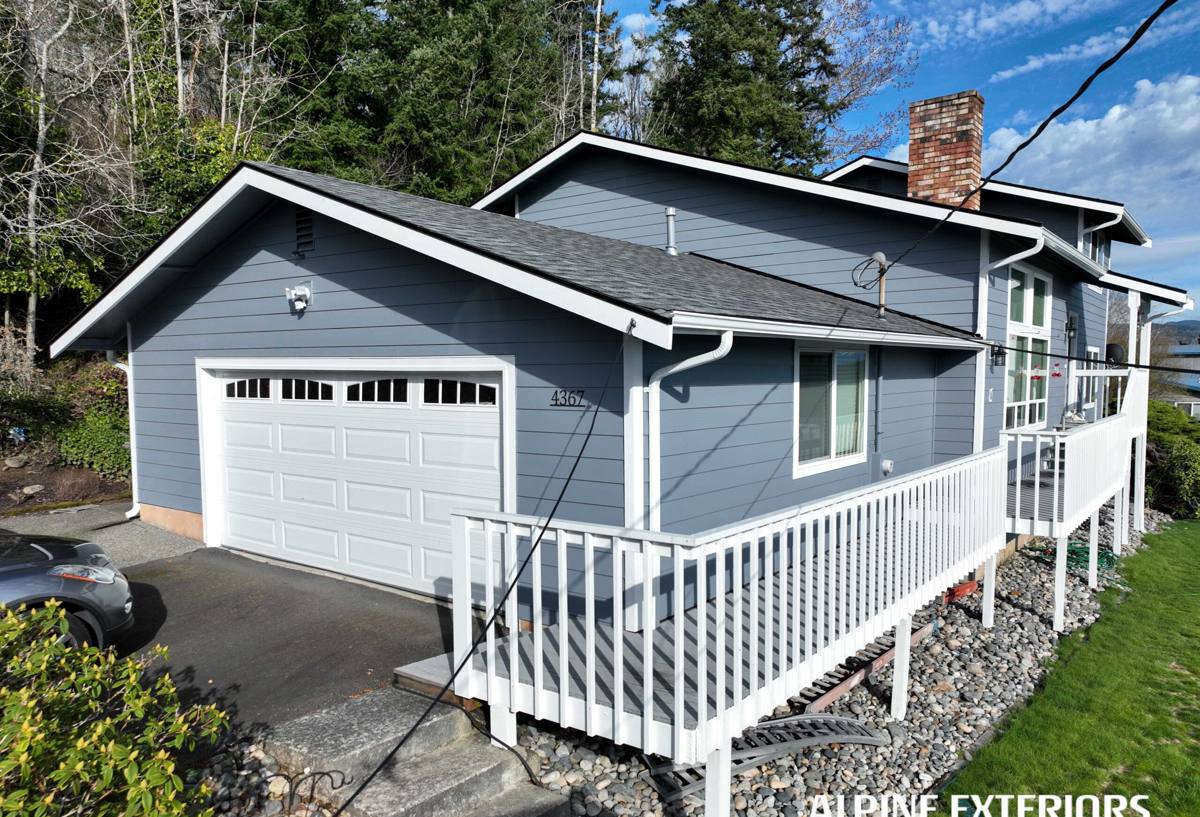
What Seminole Homes Are Actually Up Against
Pinellas County isn't in Florida's officially designated High-Velocity Hurricane Zone — that classification applies to Miami-Dade and Broward counties. But that doesn't mean wind is an afterthought here. Homes in Seminole are still built and re-roofed to Florida Building Code wind design requirements that are well above what most of the country deals with, and every roofing decision on this page assumes that reality.
- Wind uplift: Sustained coastal breezes and periodic tropical systems put continuous uplift stress on roof panels and fasteners, not just a one-time storm event.
- Salt air corrosion: Airborne salt from the Gulf accelerates corrosion on fasteners, flashing, and lower-grade metals faster than most manufacturers' generic warranty language accounts for.
- UV degradation: Year-round sun exposure breaks down unprotected coatings and sealants over time, which is why coating quality matters as much as the metal underneath it.
- Wind-driven rain: Rain here rarely falls straight down. It gets pushed sideways into laps, valleys, and penetrations, which is where most metal roof leaks actually start.
What a Correct Metal Roof Installation Involves
Deck Inspection and Prep
Metal roofing only performs as well as the deck underneath it. Before any panel goes down, we check the existing roof deck for soft spots, water damage, and proper fastening. Skipping this step is one of the most common shortcuts in the industry, and it's the reason some metal roofs fail from the inside out long before the panels themselves wear out.
Underlayment
A quality synthetic or self-adhered underlayment acts as the roof's backup plan if wind-driven rain ever gets past the panels themselves. In a coastal Pinellas County climate, we don't treat underlayment as an afterthought — it's a real second layer of protection, especially at eaves, valleys, and low-slope sections where water sits longer.
Fastening and Panel Attachment
How a panel is attached matters more than what the panel is made of. Fastener spacing, clip type, and attachment method all need to match the wind uplift requirements for this area, not a generic national standard. This is also where fastener material matters — mismatched metals or lower-grade fasteners are a common cause of premature staining and loosening in salt air environments.
Flashing and Penetrations
Valleys, wall transitions, chimneys, vents, and skylights are where the vast majority of roof leaks actually originate — not the open field of the roof. Correct flashing detail work, not just caulk, is what keeps wind-driven rain out of these areas long-term.
Choosing the Right Metal Roofing System
Not every metal roofing product performs the same way in a coastal, high-wind environment. We walk homeowners through the real trade-offs rather than pushing one system for every house.
| System | Best For | Trade-Offs to Know |
|---|---|---|
| Standing seam (concealed fastener) | Homeowners prioritizing longevity and wind performance | Higher upfront cost, but no exposed fasteners for salt air or UV to work loose over time |
| Metal shingle or tile-profile panels | Homeowners who want a metal roof's durability with a more traditional look | More seams and detail work per square, so installer experience matters more |
| Exposed-fastener corrugated/ribbed panels | Budget-conscious projects, outbuildings, some ranch-style homes | Fasteners are exposed to weather and need periodic inspection and occasional re-torquing over the roof's life |
For most primary residences in Seminole, we lean toward concealed-fastener standing seam because it removes the long-term maintenance question of exposed fasteners loosening or corroding in salt air. That said, exposed-fastener systems remain a legitimate, lower-cost option when the homeowner understands the maintenance trade-off going in — it's a decision we make together, not one we make for you.
Metal Choice and Coastal Corrosion
The base metal and coating matter as much as the panel profile. Galvanized and galvalume steel are common, durable choices, but the coating quality — and how well cut edges and fastener penetrations are sealed — determines how well a panel resists salt air corrosion over the years. Aluminum panels resist corrosion inherently and are worth considering for homes closer to the water, though they come at a higher material cost. Whichever metal is used, we pay close attention to fastener compatibility, since mixing incompatible metals is a common, avoidable cause of galvanic corrosion around fastener points.
We also look at coating type. A quality PVDF-based finish holds color and chalk resistance far longer under constant Florida UV than a basic painted finish, which matters on a roof that's going to sit in direct sun most days of the year.
Our Process for Seminole Metal Roofing Projects
- On-site inspection: We assess your existing roof deck, current roofing material, roof geometry, and any problem areas before recommending a system.
- Honest system recommendation: We walk through panel and metal options based on your home, budget, and how long you plan to own the property — not a one-size-fits-all pitch.
- Written estimate: A clear, itemized estimate so you know what you're paying for before any work starts.
- Permitting: We handle the permitting process required for re-roofing in Pinellas County so the job is documented and inspected properly.
- Tear-off and deck repair: Old roofing removed, deck inspected, and any damaged sections repaired before new material goes down.
- Underlayment and panel installation: Installed to the fastening and flashing specifications appropriate for this area's wind exposure.
- Final walk-through: We review the finished roof with you and answer any questions before calling the job complete.
Maintaining a Metal Roof This Close to the Gulf
A properly installed metal roof is low-maintenance, not zero-maintenance. A little attention once or twice a year goes a long way toward getting the full lifespan out of the system.
- Rinse off accumulated salt spray and debris periodically, especially after long dry stretches followed by storms.
- Keep gutters and valleys clear so water isn't sitting against panel edges or fasteners.
- After any major wind event, do a visual check (or have us do one) for lifted panels, loosened fasteners, or damaged flashing.
- Trim back overhanging tree limbs that can scratch coatings or drop debris into valleys.
- Don't ignore small rust spots at fasteners or cut edges — addressed early, they're a five-minute fix; ignored, they can spread.
- Have flashing and sealant at penetrations (vents, chimneys, skylights) checked periodically, since these age faster than the panels themselves.
What Affects the Cost of a Metal Roof in Seminole
| Factor | Why It Matters Here |
|---|---|
| Panel system chosen | Standing seam costs more upfront than exposed-fastener panels but requires less long-term maintenance |
| Roof complexity | Valleys, dormers, and multiple roof planes mean more flashing work and labor time |
| Deck condition | Rotted or damaged decking found during tear-off adds repair cost but is far cheaper to fix now than after a leak |
| Metal and coating grade | Higher-grade coatings and aluminum options cost more but resist coastal corrosion and UV fading longer |
| Roof pitch and access | Steeper roofs and limited access around the home affect labor and safety setup |
We don't quote a metal roof over the phone. Every home's roof geometry, deck condition, and exposure to wind and salt air are different, and an honest number requires an actual look at your roof.
Why It Matters That We Already Work in Seminole
A metal roof installed by a crew unfamiliar with Pinellas County's wind requirements, permitting process, and coastal conditions is more likely to develop problems that don't show up until the first real storm tests it. Working regularly in Seminole and the surrounding Largo area means we're not guessing at fastening schedules or flashing details for this climate — it's what we do house after house. That familiarity shows up in the details: correct panel attachment for local wind exposure, flashing built for wind-driven rain rather than straight-down rain, and material choices that account for salt air rather than a generic national spec sheet.
If your roof is due for replacement, showing early signs of wear, or you're simply comparing metal roofing to other materials for your next re-roof, we're happy to take a look and walk you through your options honestly. Reach out for a free, no-pressure estimate using the form below.