 Largo Window
 Pinellas Park Roofs Work Harder Than Most
Pinellas Park sits in the middle of Pinellas County, close enough to Tampa Bay and the Gulf that every roof in the area deals with the same combination of stressors: long stretches of intense UV exposure, sudden wind-driven downpours, salt-laden air moving in off the water, and the real possibility of hurricane-force winds during storm season. None of that is unique to one street or subdivision — it's the baseline for this part of Florida, and it's why a roof that would last two or three decades in a drier, milder climate can wear out noticeably faster here if it wasn't installed with these conditions in mind.
A new roof installation in Pinellas Park isn't just about swapping old shingles for new ones. It's about building an assembly — deck, underlayment, flashing, fasteners, and covering — that's matched to Pinellas County's wind and moisture demands from day one. That's the standard we hold every install to.
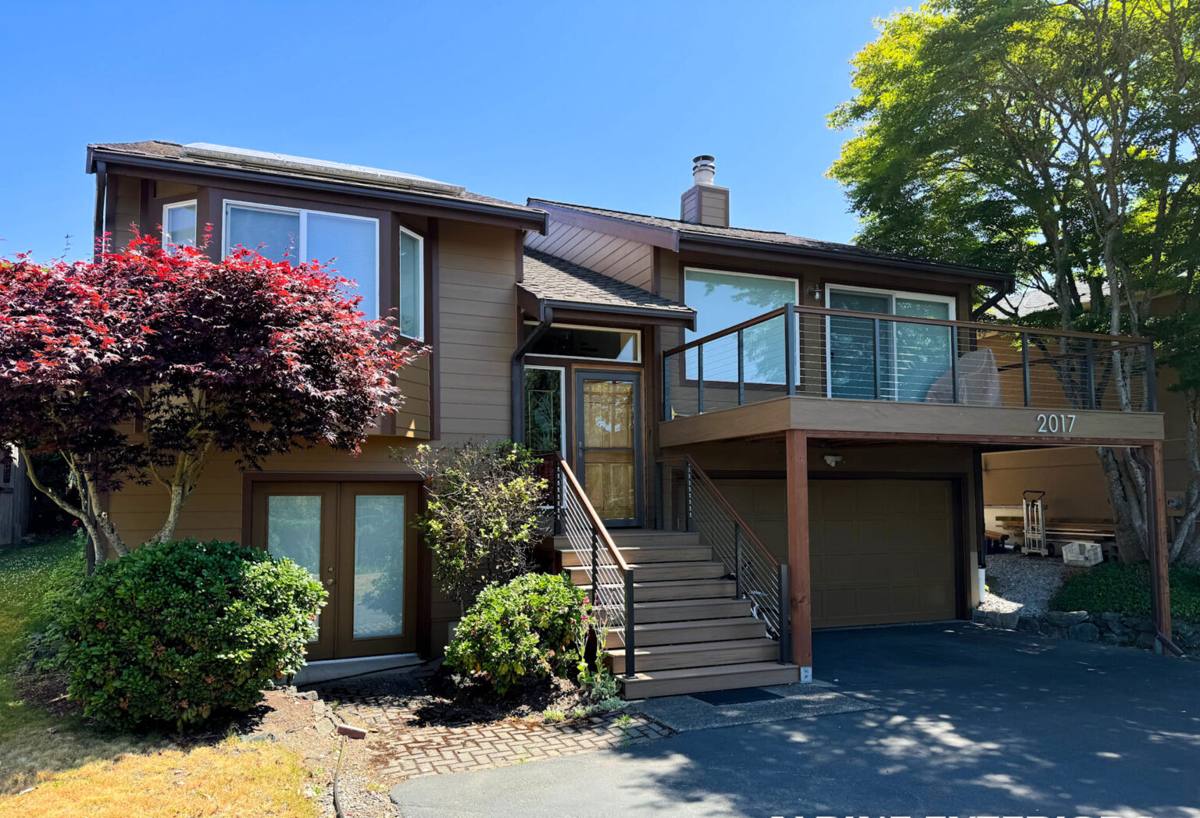
What the Climate Actually Does to a Roof Here
UV and Heat
Florida sun is relentless. Asphalt shingles lose their oils and granules faster under constant UV exposure, which accelerates brittleness and shortens service life. Attic heat buildup compounds this — a poorly ventilated roof deck runs hotter, which stresses shingles and underlayment from below at the same time the sun is working on them from above.
Wind-Driven Rain
Rain in this region rarely falls straight down. Gulf storms push rain sideways, which means water gets tested against every seam, lap, and penetration on a roof, not just the open field of shingles. A roof that isn't properly flashed and lapped will find that out during the first real storm, usually as a slow leak that shows up somewhere unexpected.
Salt Air
Being inland of the immediate coastline doesn't fully insulate Pinellas Park from salt air carried on Gulf breezes. Salt accelerates corrosion on exposed metal — fasteners, flashing, vent stacks, drip edge — which is why fastener and flashing material selection matters as much as the shingle or tile itself.
Hurricane Wind Loads
Pinellas County roofs are built to a wind design standard for a reason. Uplift forces at eaves, rakes, and ridges are where roofs actually fail in high wind — not usually in the open field — so proper fastening pattern and edge detailing at those zones is where a roof either holds or doesn't.
Signs a Pinellas Park Home Needs a New Roof
Roofs rarely fail all at once. Most show warning signs well before a leak actually appears inside the house. Worth checking for, or having a crew check for you:
- Shingles that are curling, cupping, or losing granules in visible patches
- Bald or shiny spots where granule loss has exposed the asphalt mat
- Cracked, lifted, or missing shingles after any recent storm
- Soft spots or noticeable sagging when walking the roof or viewing the roofline from the street
- Rusted or lifted flashing around chimneys, skylights, and vent penetrations
- Daylight visible through the roof deck from inside the attic
- Water stains on interior ceilings, especially near exterior walls or plumbing vents
- A roof approaching or past 20 years old, particularly if it's never been fully inspected
- Rising energy bills that track with a hotter, poorly ventilated attic
Any one of these on its own might just mean a repair. Several together, or a roof already near the end of its expected life, usually means it's time to start pricing a full replacement instead of chasing repairs one at a time.
Choosing a Roofing System for This Climate
There's no single "best" roof for every Pinellas Park home — it depends on budget, roof shape, HOA rules where applicable, and how long the homeowner plans to stay in the house. What matters is understanding the real trade-offs instead of picking based on looks alone.
| Roofing Type | Wind Performance | UV/Heat Behavior | Salt Air Durability | Typical Lifespan |
|---|---|---|---|---|
| Architectural asphalt shingle | Good, with proper nailing and rated products | Moderate — dark colors run hotter | Good with corrosion-resistant fasteners | 20-30 years |
| Standing seam metal | Excellent when properly fastened | Excellent — reflective finishes cut attic heat | Very good with coated/marine-grade fasteners | 40-50+ years |
| Concrete or clay tile | Very good when correctly fastened to deck | Excellent thermal mass | Excellent — tile itself doesn't corrode | 40-50+ years |
Asphalt shingle remains the most common choice for Pinellas Park homes because it balances upfront cost against solid performance when installed correctly. Metal and tile cost more to install but ask for less maintenance over the long run and tend to handle both UV and salt exposure with less degradation. We'll walk through what fits your roof shape, budget, and how long you plan to stay in the home before recommending a direction — there's no upsell script, just an honest comparison for your specific situation.
What a Correct Installation Actually Involves
The finished shingles or tile are the least of what determines whether a roof performs in this climate. Most failures trace back to what's underneath, not the visible surface layer.
Full Tear-Off and Deck Inspection
We don't install over an existing layer. A full tear-off is the only way to actually see the deck — soft, delaminated, or water-damaged plywood needs to be found and replaced before anything new goes down, not discovered later as a soft spot underfoot.
Underlayment
Synthetic underlayment goes down over the full deck as the primary water barrier beneath the shingles or tile. In vulnerable areas — eaves, valleys, around penetrations — a self-adhering secondary water barrier goes down as well, so wind-driven rain that gets past the surface layer still has a second line of defense before it reaches the deck.
Flashing
New flashing at every chimney, skylight, wall intersection, and vent penetration — never reused old flashing. This is one of the most common places older roofs fail, and it's cheap insurance against leaks compared to what a reused, corroded piece of flashing can cost later.
Fastening Pattern
Nailing pattern and fastener count follow Florida Building Code wind zone requirements for the roof's actual exposure, with tighter patterns at eaves, rakes, and ridges where uplift forces concentrate during high wind.
Ventilation
Proper intake and exhaust ventilation keeps attic temperatures down, which extends shingle life and helps control moisture that would otherwise condense in the attic space.
Permits, Code, and Wind Mitigation
Roof replacements in Pinellas Park require a permit through Pinellas County or the applicable local building authority, along with inspections at defined stages of the work. We handle that process as part of the job rather than leaving it to the homeowner to navigate.
Worth knowing: a properly documented new roof, installed to current code with the right fastening and secondary water barrier, often qualifies for a wind mitigation inspection that can lower a homeowner's insurance premium. We can't promise a specific dollar figure since that's between the homeowner and their insurer, but it's a conversation worth having with your agent once the new roof is in and inspected.
How Our Process Works
- Inspection and estimate — we look at the current roof, the deck condition where visible, and talk through what the home actually needs. No pressure, no inflated urgency.
- Material selection — we walk through shingle, metal, or tile options against your budget and how long you plan to own the home.
- Permitting — we pull the required permit and schedule inspections through the county or local authority.
- Tear-off and deck check — full removal of the old roof and inspection of the deck, with any damaged sections replaced before moving forward.
- Underlayment and flashing — primary and secondary water barriers installed, new flashing at every penetration.
- Installation — shingles, tile, or metal installed to the fastening pattern required for the property's wind exposure.
- Final inspection and cleanup — county inspection scheduled, site cleared of debris and fasteners, magnetic sweep of the yard.
Why a Largo-Based Crew Matters for Pinellas Park
We're based in Largo, which puts us minutes from Pinellas Park rather than dispatching a crew from across the bay. That matters in a few concrete ways: faster response if a storm damages a roof and a tarp needs to go up quickly, familiarity with how Pinellas County permitting and inspections actually run day to day, and accountability — we're not a crew that shows up once and disappears. If something needs a warranty callback, we're local enough that it's a short drive, not a scheduling ordeal.
We're also used to the specific mix of roof ages and construction styles common in this part of the county, which means fewer surprises once a tear-off exposes the deck.
Maintaining a New Roof in This Climate
A correctly installed roof still benefits from basic upkeep in a salt-air, high-UV environment:
- Clear gutters and downspouts regularly so wind-driven rain has somewhere to go
- Trim back overhanging branches that hold moisture against the roof surface
- Have the roof visually checked after any major storm, even if nothing looks obviously wrong
- Keep an eye on flashing and vent boots every year or two — these wear out before the field of the roof usually does
- Address small issues promptly rather than letting them become deck damage
If your Pinellas Park roof is showing its age or didn't hold up the way it should have after the last storm, we're happy to take a look and give you a straightforward, no-pressure estimate. There's a form below to get that started.