 Largo Window
 Safety Harbor Roofs Work Harder Than Most
Safety Harbor sits close enough to Tampa Bay that its homes take on a specific mix of punishment: salt-laden air drifting off the water, sudden wind-driven downpours in summer, and roughly ten months a year of intense UV exposure. None of that is unique to one street or subdivision here — it's the baseline for anything built in Pinellas County. But it adds up differently on an older roof than on a new one, and it's a big part of why so many Safety Harbor homeowners end up replacing a roof years before they expected to.
A roof that was installed correctly for this climate should hold up through hurricane season after hurricane season without drama. One that was installed with shortcuts — thin nailing patterns, reused flashing, underlayment that wasn't rated for the exposure — tends to show it first at the edges: lifted shingle tabs, soft spots around vents, granule loss in the valleys. If you're already seeing those signs, you're in the right place. If you're just planning ahead, this page walks through what a proper new roof installation actually involves in this area, and what to expect if you have us do it.
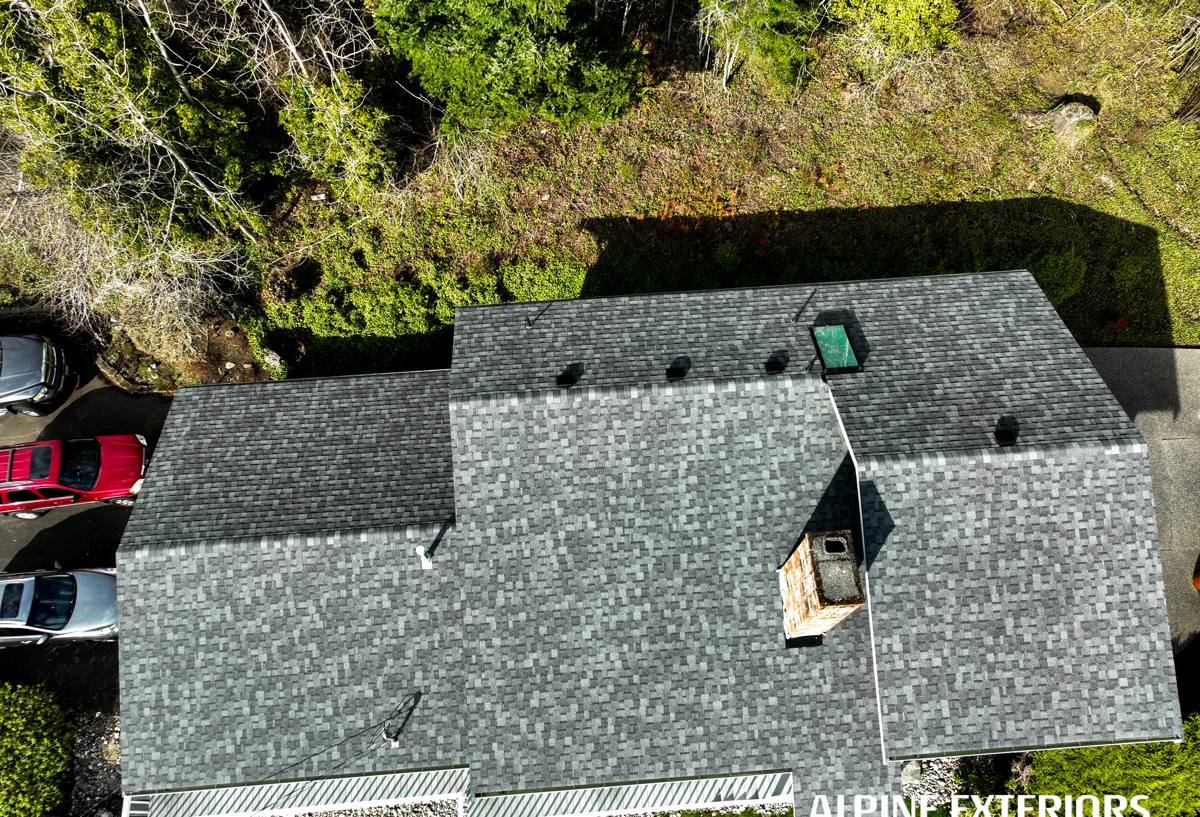
What Actually Wears Out a Roof Here
Wind
Pinellas County sees tropical storm and hurricane conditions with enough regularity that roofing here is built around wind resistance, not just weather resistance. The vulnerable points are almost always the same: the perimeter and corners of the roof, ridge caps, and anywhere flashing meets a wall or penetration. A roof can look fine from the driveway and still have marginal fastening at those pressure points.
Sun and Heat
Florida's UV load breaks down asphalt shingle oils and dries out sealant strips faster than in most of the country. This is normal aging, not a defect — but it means the practical lifespan of a shingle roof here often runs shorter than the manufacturer's rated years, especially on south- and west-facing slopes that take the most direct sun.
Wind-Driven Rain
Straight-down rain is rarely the problem. Rain pushed sideways by wind finds every gap in flashing, every under-lapped shingle course, and every place where underlayment wasn't sealed properly at seams and penetrations. A roof can shed normal rain for years and still leak the first time a storm pushes water in sideways.
Salt Air
Being near Tampa Bay means metal components — nails, flashing, vent boots, drip edge — are exposed to more corrosive air than a roof twenty miles inland. Using the right-grade fasteners and flashing isn't optional here; it's the difference between hardware that lasts the life of the roof and hardware that starts failing in a decade.
What a Correct New Roof Installation Involves
"New roof" covers a wide range of actual work quality. A correct installation for this climate includes, at minimum:
- Full tear-off to the deck — never a layover on top of old roofing
- Deck inspection and replacement of any rotted, delaminated, or soft sheathing
- Wind-rated underlayment installed per manufacturer spec, with sealed seams and penetrations
- Corrosion-resistant drip edge and flashing at every roof-to-wall, chimney, and skylight transition
- Fastening pattern that meets or exceeds current Florida Building Code wind requirements for the area
- Balanced attic ventilation — intake at the eaves, exhaust at the ridge — sized correctly for the attic volume
- New vent boots, pipe collars, and any other penetration hardware (never reused)
- Ridge cap installed to the same wind standard as the field of the roof
- Final walk-through and documentation for permitting and insurance purposes
Skipping any one of these doesn't necessarily show up on day one. It shows up in year three or four, or during the first real storm.
Our Process, Start to Finish
1. On-Site Estimate
We walk the roof (or use appropriate equipment when a walk-on inspection isn't safe), check the attic for ventilation and moisture signs, and give you a written scope and price — not a ballpark over the phone.
2. Material Selection
We go over the honest trade-offs between materials for your specific roof — pitch, sun exposure, HOA rules if you have them, and budget. No pressure toward the most expensive option; the right roof is the one that fits your house and how long you plan to stay in it.
3. Permitting
New roof installations in Pinellas County require a permit and inspection. We handle the permit application and schedule the required inspections so you don't have to chase paperwork.
4. Tear-Off and Deck Inspection
Old roofing comes off down to the deck, and we inspect every sheet of sheathing. Anything soft, delaminated, or water-damaged gets replaced before anything new goes down — this is the single most important quality checkpoint in the whole job and the one most likely to get skipped by crews trying to move fast.
5. Installation
Underlayment, flashing, and the finished roofing material go on per manufacturer and code specification, with fastening patterns rated for our wind zone.
6. Final Inspection and Cleanup
We schedule the county's final inspection, do a full magnetic sweep and site cleanup, and walk you through the finished roof and your warranty paperwork.
Comparing Roofing Materials for Safety Harbor Homes
There's no single "best" material — it depends on your roof structure, budget, and how long you want to go before the next replacement. Here's how the common options stack up for coastal Pinellas County conditions:
| Material | Typical Lifespan Here | Wind Performance | Maintenance | Relative Cost |
|---|---|---|---|---|
| Architectural asphalt shingle | 15–25 years | Good, when rated and installed to code | Low | $ |
| 3-tab asphalt shingle | 12–18 years | Lower wind rating than architectural | Low | $ |
| Standing seam metal | 40–50+ years | Excellent | Very low | $$$ |
| Concrete or clay tile | 30–50+ years | Very good when fastened correctly | Moderate — occasional broken tile replacement | $$$ |
We install and stand behind asphalt shingle, metal, and tile systems. What we won't do is recommend a material or install method just because it's cheaper up front if we think it's a poor fit for a roof that has to handle direct hurricane exposure — that's a decision we'll walk through honestly with you, not make for you.
Permits, Wind Mitigation, and Your Insurance
A new roof in Pinellas County isn't just a construction project — it's also an opportunity to update your wind mitigation inspection. Insurance carriers in Florida offer premium credits for verified features like a properly rated roof deck attachment, secondary water barrier, and hip roof geometry. After a new roof installation, it's worth having a licensed inspector complete a new wind mitigation form and sending it to your carrier. It won't happen automatically, and many homeowners leave savings on the table simply because no one filed the updated paperwork.
We also make sure the permit closes out properly with a passed final inspection. An unclosed roofing permit is a real problem when you go to sell the house — it's one of the first things a buyer's inspector or title company checks.
Signs You Need Replacement, Not Repair
Not every roof problem means a full replacement. But certain signs usually point that direction rather than a patch:
- Shingles curling, cupping, or losing granules across large sections rather than one isolated spot
- Multiple past repairs in different areas within a few years
- Visible sagging anywhere in the roof plane
- Daylight visible through the roof deck from the attic
- Roof is at or past the manufacturer's rated lifespan and due for insurance renewal
- Consistent granule buildup in gutters after every rain
If you're not sure which category your roof falls into, that's exactly what the on-site estimate is for — we'll tell you straight if repair is a reasonable option instead of pushing a full replacement.
Why It Matters That We Already Work in Safety Harbor
Roofing here isn't the same job as roofing in a dry, low-wind climate, and it isn't identical to roofing thirty minutes inland either. A crew that regularly works Safety Harbor and the surrounding Largo area already knows the local permitting process, has a working relationship with the county inspectors, and has seen firsthand which installation shortcuts fail first in this specific combination of salt air, sun, and wind. That familiarity shows up in small decisions throughout the job — fastener spacing, flashing details, ventilation balance — that don't show up on a spec sheet but do show up in how the roof performs five and ten years out.
It also means we're a phone call away, not a company that did one job in your neighborhood and moved on. Warranty service, storm-damage follow-up, and questions after the fact are easier when your contractor is actually local.
Ready to Talk About Your Roof?
If your roof is showing its age, was damaged in a storm, or you're just planning ahead before your next hurricane season, we're happy to take a look and give you a straight answer — no pressure, no inflated quote to negotiate down from. Use the form below to request a free estimate for new roof installation in Safety Harbor, and we'll get a time on the calendar.