 Largo Window
 Deck Repair Built for Oldsmar's Climate
A deck in Oldsmar works harder than a deck almost anywhere else in the country. Sitting along the northern edge of Tampa Bay in Pinellas County, homes here get the full package: long, intense UV exposure nearly every day of the year, humidity that never really lets up, wind-driven rain during summer storms, and salt-laden air drifting in off the bay. None of that is a one-time event — it's a daily cycle that slowly works on wood fibers, fasteners, and connections until something finally gives. That's usually when we get the call.
We repair decks for Oldsmar homeowners regularly, and the damage we see almost always traces back to the same handful of climate stressors. Understanding them helps you know what you're actually paying to fix, and why a patch job today can turn into a bigger repair next year if the underlying cause isn't addressed.
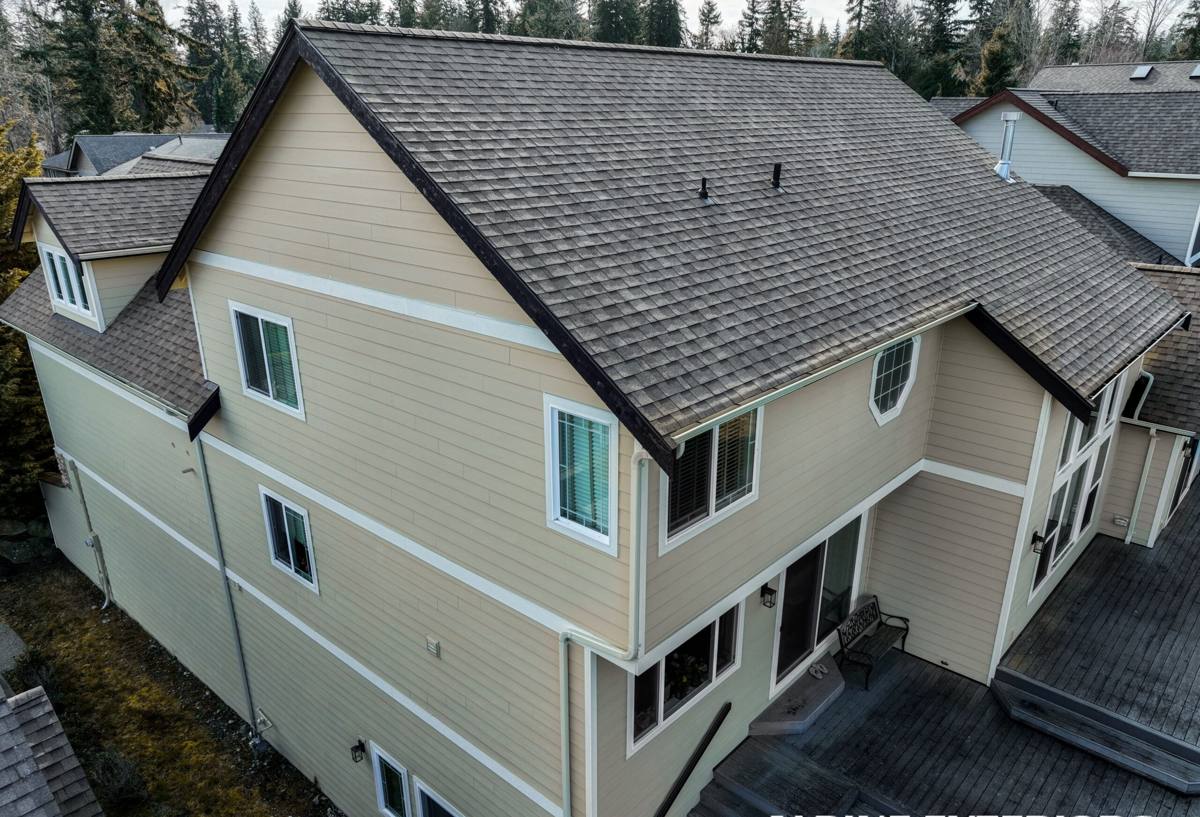
What This Climate Does to a Deck
UV and Heat
Florida sun is relentless. On wood decking, constant UV breaks down the lignin that holds wood fibers together, leaving boards gray, dry, and prone to splintering and checking (those long surface cracks). On composite decking, UV exposure causes gradual fading and can accelerate surface wear on lower-quality boards, even though composite is marketed as low-maintenance.
Humidity and Wind-Driven Rain
Boards swell when they absorb moisture and shrink again as they dry. That expansion-and-contraction cycle, repeated for years, is what loosens fasteners, opens gaps between boards, and stresses the joints at railings and stairs. Wind-driven rain during Pinellas County's summer storm pattern also pushes water into places a straight-down rain never would — up under railings, behind ledger boards, and into end grain that isn't sealed.
Salt Air
Being close to Old Tampa Bay means salt content in the air, even at properties that aren't waterfront. Salt accelerates corrosion on any metal hardware that isn't rated for coastal exposure — screws, joist hangers, bolts, and railing brackets. Rust stains bleeding out around fasteners are one of the clearest signs of this happening.
Hurricane-Force Wind
Tropical systems and seasonal storms put real lateral and uplift loads on railings, stair stringers, and the ledger board connection where a deck attaches to the house. Even decks that look fine after a storm can have hardware that's been stressed or slightly pulled loose, which shows up as wobble or movement well after the wind is gone.
Signs Your Deck Needs Repair
Most deck failures don't happen suddenly — they build up over months or years. If you're seeing any of the following, it's worth having someone look before it turns into a safety issue:
- Soft, spongy, or springy spots when you walk across the deck
- Popped, rusted, or corroded fastener heads
- Railings or balusters that wobble or flex under light pressure
- A visible gap or dark staining where the deck meets the house (the ledger board)
- Deep graying, splintering, or cracking on wood decking
- Cracking, delamination, or swelling at the edges of composite boards
- Standing water on the deck surface after rain instead of proper runoff
- Stairs that shift, creak, or feel unstable underfoot
The Repairs We See Most Often in Oldsmar
Ledger Board Separation
The ledger board — where the deck bolts into the house framing — is the single most important structural connection on most decks, and it's also the one most exposed to trapped moisture. If flashing was missing or installed poorly, water gets behind the ledger and rot sets in unseen until the deck starts to pull away from the house. This is a structural repair, not a cosmetic one, and it needs to be done correctly the first time.
Joist and Beam Damage
Rot at joist ends, especially near the ledger or where joists rest on beams, is common in older decks. We check for soft wood, discoloration, and corroded joist hangers, and sister or replace framing members as needed rather than just covering the problem with new decking on top.
Railing and Guard Repairs
Loose posts, split balusters, and failing connections are a safety priority, and they're also a common code trigger — Florida building code has specific requirements for railing height and baluster spacing that older or DIY-repaired decks sometimes don't meet.
Board Replacement vs. Full Resurfacing
Sometimes a handful of damaged boards can simply be swapped out. Other times, enough of the deck surface has degraded that resurfacing the whole thing makes more sense than patchwork repairs that won't match in color or wear evenly. We'll tell you honestly which situation you're in.
Footings and Posts
Ground-contact posts and footings can settle, shift, or rot at the base, particularly in yards with poor drainage. A deck that feels solid on top can still have a compromised footing below — this is part of why we inspect from the ground up, not just the walking surface.
Fastener and Hardware Corrosion
Given the salt air here, we replace corroded hardware with stainless steel or coastal-rated fasteners and connectors, not standard galvanized parts that will just corrode again on the same timeline.
Wood vs. Composite: What It Means for Repairs
What your deck is built from changes both how it fails and how it gets repaired. Here's how the two most common materials compare for Oldsmar's climate specifically:
| Factor | Wood Decking | Composite Decking |
|---|---|---|
| Typical repair need | Sanding, sealing, board replacement, rot removal | Board/section replacement, fastener repair |
| UV effect | Grays, dries, splinters without regular sealing | Fades over years; lower-grade boards may chalk |
| Moisture behavior | Absorbs and releases water; prone to rot if unsealed | Doesn't rot, but can trap moisture at poor cuts/edges |
| Maintenance to prevent repairs | Reseal or stain every 1-2 years in this climate | Periodic cleaning; far less sealing needed |
| Repair cost pattern | Usually lower per board, more frequent | Higher per board, less frequent |
Neither material is immune to this climate — they just fail differently. Our recommendation depends on the condition we find, your budget, and how the existing deck was built, not on pushing one material over another.
How We Handle a Deck Repair
- On-site inspection. We check the ledger connection, framing, footings, railings, fasteners, and decking surface — not just what's visible from the top.
- Honest scope of work. You get a clear explanation of what's actually wrong, what repair options exist, and where repair stops making sense compared to partial or full replacement.
- Code check. Railing height, baluster spacing, and structural connections are checked against current Florida building code, especially on older decks.
- Permit determination. Structural work typically requires a permit through the City of Oldsmar building department — we'll tell you upfront if your repair falls into that category.
- The repair itself. Damaged framing, decking, hardware, or railings are replaced with materials matched to your existing deck and fasteners rated for coastal exposure.
- Sealing and finishing. For wood decks, we finish with a sealant appropriate for Florida's UV and humidity levels, not a generic one-size-fits-all product.
- Final walkthrough. We check the repair together before we call the job done.
Permits and Local Code Considerations
Not every deck repair needs a permit — replacing a few worn boards typically doesn't. But anything touching the structural side of the deck, including ledger board reattachment, framing repair, footing work, or railing system changes, generally falls under permitted work through the City of Oldsmar building department. This matters for two practical reasons: an unpermitted structural repair can complicate a future home sale, and it means the work was never checked against current code, which exists specifically because of the wind and moisture loads decks face here. We handle the permit process as part of the job when it applies, so you're not left figuring it out on your own.
What Affects the Cost of a Deck Repair
We don't quote deck repairs off a flat price list, because the same-looking problem can be a $300 fix or a $3,000 fix depending on what's actually underneath. In general, repairs run from a few hundred dollars for isolated board or hardware fixes up into the low thousands for structural work involving the ledger, framing, or footings. The factors below are what actually move that number:
| Cost Factor | Why It Matters |
|---|---|
| Extent of hidden damage | Rot often extends further than what's visible from the surface |
| Structural vs. cosmetic scope | Framing, footing, or ledger work costs more than surface board swaps |
| Material match | Matching existing decking color/profile can affect sourcing and price |
| Hardware upgrades | Replacing corroded fasteners with coastal-rated hardware adds cost but prevents repeat failures |
| Permit requirements | Permitted structural work involves inspection steps that non-permitted repairs don't |
| Access and deck height | Elevated or hard-to-access decks take more labor time |
Why It Matters That We Already Work in Oldsmar
Deck repair isn't just carpentry — it's carpentry that has to hold up specifically against Pinellas County's sun, humidity, salt air, and storm season, year after year. A crew that works in this area regularly already knows which fastener grades actually last near the bay, what the City of Oldsmar's permitting process requires for structural repairs, and how quickly wind and rain events here can turn a minor issue into a safety problem. That local familiarity means fewer surprises, fewer callbacks, and a repair that's built for the climate it's actually going to sit in — not a generic fix that happens to have been installed in Florida.
After the Repair: Keeping It From Happening Again
A repaired deck still lives in the same climate that damaged it in the first place, so a little upkeep goes a long way:
- Inspect railings, fasteners, and the ledger connection twice a year, ideally before and after hurricane season
- Reseal or re-stain wood decking every 1-2 years given local UV and humidity levels
- Rinse salt residue and debris off the surface periodically, especially after storms
- Check for standing water and make sure drainage under and around the deck stays clear
- Address small issues — a loose board, a rust spot on a fastener — before they spread
If your Oldsmar deck is showing wear, feels less solid than it used to, or you're just not sure whether it needs a repair or a bigger fix, we're happy to take a look and give you a straight answer. Fill out the form below for a free, no-pressure estimate.