 Largo Window
 Deck Replacement for Oldsmar Homes
Oldsmar sits right on Old Tampa Bay, which means a lot of homes here deal with a tougher mix of weather than decks a few miles inland ever see. Salt-laden air drifts off the water, the sun is intense almost every day of the year, and when a storm rolls through, it usually arrives with wind-driven rain and gusts strong enough to test every fastener in a structure. A deck that was fine when it was built ten or fifteen years ago is often quietly failing underneath by the time it starts looking rough on top. We replace decks throughout the Oldsmar area and the broader Largo and Pinellas County market, and this page walks through what actually goes into doing that job right in this specific climate.
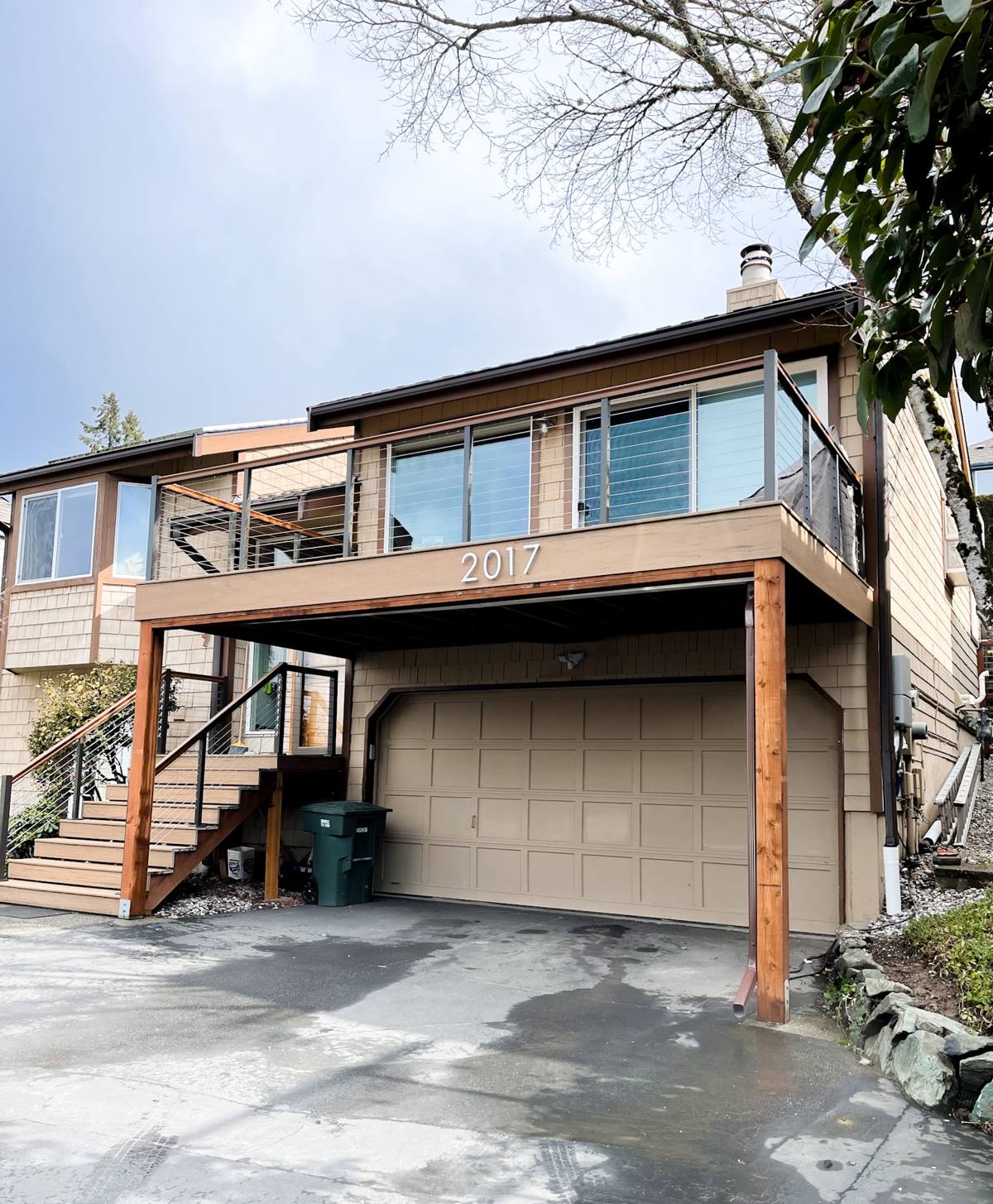
Why Decks Wear Out Faster Near the Bay
Every deck ages. The question is how fast, and in coastal Pinellas County, the pace is quicker than most homeowners expect. A few things stack on top of each other here:
- Salt air corrosion. Airborne salt accelerates rust on fasteners, brackets, and hardware — especially anything that isn't rated for coastal exposure.
- Constant UV exposure. Florida sun breaks down the surface fibers of wood and the resin binders in some composite products, leading to graying, splintering, or fading well before the structure itself is worn out.
- Wind-driven rain. Storms don't just drop rain straight down here — wind pushes water sideways and up under boards, into ledger connections, and into any gap in the flashing.
- Humidity and moisture cycling. Wood that stays damp longer between rain events is more prone to rot, and repeated wet-dry cycles stress every joint and fastener.
- Hurricane-force wind loading. Even a deck that never takes direct storm damage is repeatedly racked and flexed during high-wind events, which loosens connections over time.
None of this means a deck can't hold up well in Oldsmar — it means the materials, fasteners, and structural details need to be chosen with this environment in mind, not a generic build-anywhere approach.
Signs a Deck Needs Replacement, Not Just Repair
Not every tired-looking deck needs to come out. But there's a real difference between a deck with cosmetic wear and one with structural problems, and getting that wrong in either direction costs money — either you're throwing good money at a deck that's not salvageable, or you're tearing out something that only needed boards and fasteners.
Signs pointing toward repair
- Isolated soft or splintering boards on an otherwise solid structure
- Surface graying or fading with the frame still sound
- A handful of loose or corroded fasteners in specific spots
Signs pointing toward replacement
- Soft, spongy, or spreading rot at the ledger board where the deck meets the house
- Posts or footings that have shifted, settled, or show visible cracking
- Rust stains bleeding from multiple structural connections, not just surface fasteners
- A deck that visibly flexes, bounces, or sways when walked on
- Railings that wiggle at the post base — a common failure point that's also a safety issue
If you're not sure which category your deck falls into, that's exactly what a free on-site look is for. We'll tell you honestly if repair is a reasonable option — replacement isn't the right answer for every deck that shows its age.
What a Correct Deck Replacement Actually Involves
A deck replacement is more than pulling up old boards and screwing down new ones. Done correctly, it starts below the surface:
Structure first
Footings and posts get inspected and, where needed, brought up to current code — that matters more here than in a lot of markets because Pinellas County wind load requirements reflect our hurricane exposure. Undersized or improperly spaced footings are one of the most common issues we find on older Oldsmar decks.
The ledger connection
The ledger board — where the deck attaches to the house — is the single most important structural connection on most decks, and it's also the most common point of hidden rot because water tends to collect there. Proper flashing, correct fastener type, and a solid connection to the home's framing are non-negotiable, not optional upgrades.
Framing and fasteners
Joist spacing, beam sizing, and hardware all need to match the actual load and span of the deck being built, not just whatever was on hand. In a coastal environment, that includes using fasteners and structural connectors rated for corrosion resistance — standard interior-grade hardware has no business in an Oldsmar deck frame.
Decking and railing
Only once the structure is right does the visible surface — decking boards and railing system — go on. This is where most homeowners focus their attention, but it's the smallest part of what actually determines whether the deck lasts.
Comparing Decking Materials for This Climate
There's no single "best" decking material — there's a best material for a given budget, maintenance appetite, and how close the home sits to the water. Here's how the common options actually compare for Oldsmar conditions:
| Material | Coastal / UV Performance | Maintenance | Typical Lifespan |
|---|---|---|---|
| Pressure-treated wood | Good if sealed regularly; UV and moisture will gray and roughen the surface over time | Annual cleaning and periodic sealing/staining | 10-15 years with upkeep |
| Composite decking | Strong UV and moisture resistance; quality varies significantly by product line | Occasional washing, no sealing or staining | 20-30 years |
| PVC / capped polymer | Excellent resistance to salt air, moisture, and fading | Minimal — occasional rinse | 25-30+ years |
| Tropical hardwoods | Naturally dense and rot-resistant, but demands regular oiling to control checking from intense UV | Regular oiling/maintenance | 20-25 years with upkeep |
We'll go over these trade-offs honestly during your estimate — including where a lower-maintenance material is worth the added upfront cost for a deck that's going to face direct salt air and sun most of the year.
Railings, Fasteners, and Hardware — Where Corners Get Cut
Railings and hardware are the parts of a deck most likely to get value-engineered on a budget job, and they're also the parts most exposed to the elements. A railing post base that isn't properly anchored, or standard-grade screws instead of coastal-rated fasteners, might look fine for a year or two before rust and loosening set in. We spec fasteners and connectors rated for coastal/marine-grade exposure as a standard practice on Oldsmar jobs, not an upsell — it's simply what holds up out here.
Our Deck Replacement Process
We keep the process straightforward so you know what to expect from first call to final walkthrough:
- Free on-site assessment. We look at the existing deck's structure, footings, ledger, and overall condition, and give you a straight answer on repair vs. replacement.
- Honest estimate. You get a written scope and cost range before any work begins, including material options.
- Permitting. We handle the permit process with the relevant local building department for the work.
- Demolition and haul-away. The old deck comes out and debris is removed from your property.
- Structural rebuild. Footings, framing, and the ledger connection are built or corrected to current code and coastal fastener standards.
- Decking, railing, and finish work. The material you selected goes on, along with railings, stairs, and any trim.
- Final walkthrough. We go over the finished deck with you before calling the job complete.
Permits and Local Requirements
Deck replacements involving structural framing typically require a building permit, and inspections along the way — footings, framing, and final — are standard for work of this scope in Pinellas County. Skipping permits on a deck rebuild isn't a shortcut worth taking: it can complicate a home sale later and, more importantly, it removes the inspection checkpoints that catch structural problems before they're covered up. We handle the permitting process as part of the job so you're not left chasing paperwork.
Here's a quick checklist of what to have ready or think about before a deck replacement:
- Rough sense of your budget range and priorities (lifespan vs. upfront cost)
- Any HOA guidelines on decking material or railing style, if applicable
- Whether you want to change the deck's footprint or stick with the existing layout
- Access for equipment and material delivery to the work area
- A general timeframe you're working toward, especially around storm season
Why a Local Oldsmar Crew Makes a Difference
A crew that regularly works Oldsmar and the surrounding Largo area already understands the conditions before they show up — the salt exposure near the bay, how Pinellas County wind load and permitting requirements apply to deck framing, and which fastener and material choices actually hold up here versus what merely looks good on a spec sheet. That's not something a contractor coming from outside the region picks up on the first job. It also means faster response for the on-site assessment, straightforward scheduling, and a crew that will still be around locally if a warranty question comes up down the road.
If your deck is showing its age or you're not sure whether it's a repair or a full replacement, we're glad to take a look. Reach out for a free, no-pressure estimate — use the form below and we'll get back to you with an honest assessment of what your Oldsmar deck actually needs.