 Largo Window
 Oldsmar sits inland from the open Gulf, but it's still squarely inside Pinellas County's climate, and that climate changes what "energy-efficient windows" actually needs to mean for a home here. Air conditioning runs most of the year in this part of Florida, and older single-pane or early double-pane windows lose that cooled air constantly — through the glass itself, through gaps around the frame, and through weatherstripping and seals that have already started breaking down under year-round UV and salt-laden air. Done right, an energy-efficient window replacement in the Oldsmar and Largo area has to solve two problems at the same time: cut the cooling load that drives up utility bills, and hold up to hurricane-force wind events and wind-driven rain without those efficiency gains disappearing after a season or two.
Why Energy Efficiency Is a Different Conversation in This Climate
In a lot of the country, "energy-efficient windows" is mostly a winter conversation — keeping heat in. That's not the driver here. In Oldsmar and the rest of Largo, the load on a home's windows is almost entirely a cooling-season problem: keeping direct solar heat out so the air conditioner isn't fighting the sun all day, every day, for most of the year. That shifts which window specs actually matter. A window package optimized for cold-climate heat retention isn't necessarily the right package for a home where the bigger cost driver is solar heat gain through south- and west-facing glass for ten or eleven months a year.
On top of that, any window on this side of Pinellas County also has to meet local wind-borne debris and impact requirements. That means the efficiency package and the structural package aren't separate decisions — they're the same window, and it has to do both jobs well. A unit that's efficient on paper but wasn't built or installed with this area's wind and moisture conditions in mind tends to stop performing efficiently within a few years, even if the glass itself never fails.
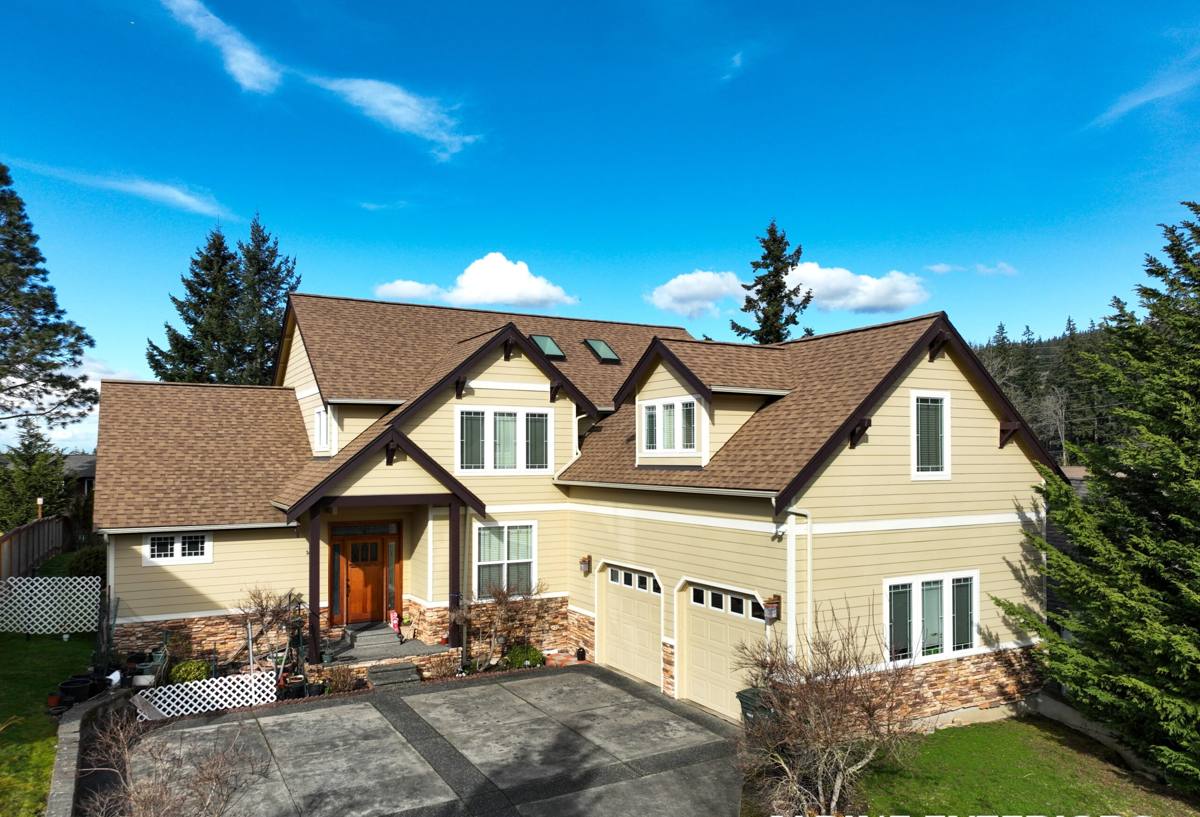
What the Climate Actually Does to Window Performance Here
Four things wear on window efficiency in this part of Florida, and they don't act one at a time — they overlap. Hurricane-force wind events put real pressure on the whole window assembly, and a frame or installation that flexes under that load opens gaps that weren't there on day one. Intense, year-round UV breaks down lesser sealants, weatherstripping, and some coatings faster than a more moderate climate would, which is exactly what causes drafts and heat leakage to show up years before the glass itself would ever be blamed. Wind-driven rain, even from routine summer storms and not just named ones, tests every seal and flashing detail on a window — and a seal that's failing lets in moisture as easily as it lets out cooled air. Salt air, carried inland from the Gulf and Tampa Bay, corrodes hardware, weatherstripping retainers, and some frame components over time, which quietly reduces how tightly a window closes long before anyone notices a visible problem.
None of that means efficient windows don't work here — it means the product and the installation both have to be chosen with this specific combination of stresses in mind, not a generic climate assumption.
Where Efficiency Losses Actually Start
It's rarely the center of the glass that fails first. It's the edges — the seal around the insulated glass unit, the compression of the weatherstripping against the sash, and the gap between the frame and the rough opening where insulation and sealant either were or weren't installed correctly. A window can have excellent glass specs and still perform poorly if any of those edge details were rushed, and in this climate, those are exactly the spots UV, wind, and salt air attack hardest.
What "Energy-Efficient" Actually Means for a Window Here
An efficient window in Oldsmar's climate is a combination of choices, not one single feature. Low-E coatings reflect solar heat back before it enters the home, which matters more here than in most climates given how much direct sun these windows take on. Insulating gas fills between panes, usually argon, slow heat transfer through the glass. Warm-edge spacer systems reduce heat transfer at the edge of the glass, which is where a lot of efficiency is lost on cheaper units. Frame material affects conduction too — some materials transfer heat far more readily than others, which matters on a home with large window areas facing full sun.
The rating that matters most here is the Solar Heat Gain Coefficient, or SHGC — how much solar heat actually passes through the glass. In a cold climate, U-factor (overall heat transfer through the whole window) tends to get more attention. In Oldsmar, SHGC usually deserves the bigger say, since the dominant cost is heat coming in, not heat escaping.
| Rating | What It Measures | Why It Matters in Oldsmar |
|---|---|---|
| SHGC (Solar Heat Gain Coefficient) | How much solar heat passes through the glass | Usually the most important number here — a lower SHGC keeps direct sun from overloading the AC system most of the year |
| U-Factor | Overall heat transfer through the whole window assembly | Still relevant, but a secondary concern compared to SHGC given our mild winters |
| Visible Transmittance | How much natural light passes through the glass | Has to be balanced against SHGC so cutting heat gain doesn't leave rooms feeling dark |
| Air Leakage | How much air moves through gaps in the assembly, not the glass itself | Depends heavily on installation quality, not just the glass package — this is where a poor install undoes a good product |
What a Correct Installation Involves
Assessment First
We start by looking at the actual opening, the wall's sun exposure, and the home's wind exposure category, not by assuming one glass package fits every elevation of the house. A west-facing wall taking full afternoon sun and a shaded, more sheltered wall don't necessarily need the identical SHGC to perform well.
Air Sealing at the Rough Opening
The gap between the new window frame and the surrounding wall has to be insulated and sealed correctly, not just caulked over on the surface. This is one of the most common places efficiency is lost on a replacement job, and it's invisible once trim goes back on — which is exactly why it has to be done right the first time.
Flashing and Weatherproofing
Given how much wind-driven rain this area sees, flashing has to be sequenced so water sheds outward and never gets behind the window assembly. A compromised flashing detail eventually lets moisture into the frame, which degrades insulating materials and seals from the inside, well before anyone notices a visible leak.
Hardware and Corrosion Protection
Salt-laden air works on hinges, locks, and weatherstripping retainers whether or not a storm ever comes through. We spec corrosion-resistant hardware as standard practice on installs in this area, because hardware that seizes or degrades early is one of the more common reasons a window stops sealing tightly years before the glass would ever need replacing.
Meeting Impact Code Without Giving Up Efficiency
Impact-rated glass for wind-borne debris compliance and energy-efficient glass are not mutually exclusive — modern impact units can carry Low-E coatings and efficient gas fills just like non-impact units. The difference is that fewer manufacturers offer every combination of impact rating and efficiency package, so the honest answer to "can I get both" depends on the specific product line, not a blanket yes or no.
Our Process, Start to Finish
- On-site assessment — we look at each opening's sun exposure, wind exposure, and current condition, not just take a tape measurement
- Honest recommendation — glass package, frame material, and impact rating explained in plain terms, including why one wall of the house might get a different SHGC than another
- Ordering and lead time — a realistic timeline, since efficient, impact-rated units are typically built to order
- Removal and opening prep — old units come out carefully, with any rot, prior flashing issues, or gaps addressed before the new window goes in
- Installation and air sealing — the new unit is set, anchored, and the rough opening is properly insulated and sealed
- Flashing, sealant, and finish — weatherproofing detailed for the specific opening, then finished to match the home's exterior
Costs and Trade-Offs: Frame Materials in This Climate
| Frame Material | Efficiency Notes | Considerations for Oldsmar/Largo |
|---|---|---|
| Vinyl | Good insulating value, widely available with efficient glass packages | Generally low-maintenance in salt air and UV, though quality varies a lot between manufacturers |
| Fiberglass | Strong insulating value and dimensional stability | Holds up well to sustained heat and coastal air with less long-term movement than vinyl |
| Aluminum | Historically weaker insulating value unless thermally broken | Common in older Florida homes; a thermal break matters more here than in a mild climate |
| Wood (clad exterior) | Good insulating value with the right interior finish | Needs a well-protected exterior cladding to avoid moisture and UV issues near the coast |
Beyond frame material, the biggest cost factors are glass package (Low-E coatings and gas fills add cost but do most of the efficiency work), number of openings being replaced at once, and the condition of the existing openings — rot or old flashing failures found during removal add work that wasn't part of the original quote. We'll walk through those trade-offs for your specific home rather than quoting one generic package for every wall.
Quick Checklist Before You Order
- Ask for the SHGC and U-factor numbers for the specific unit being quoted, not just "energy-efficient" as a description
- Confirm the glass package meets Pinellas County's impact and wind-borne debris requirements for your address
- Ask how the rough opening will be air-sealed and insulated, not just caulked on the surface
- Confirm hardware and fasteners are corrosion-resistant, given the salt air this area sees
- Get the flashing and weatherproofing plan explained for your specific opening
- Get a realistic lead time in writing, since efficient, impact-rated units are typically built to order
Why Hiring a Crew That Already Works Oldsmar and Largo Matters
Manufacturer specs are written for average conditions, and this stretch of Pinellas County doesn't average out to much. A crew that hasn't worked this area regularly can spec a technically efficient window and still miss the details that keep it performing that way — how the rough opening needs to be sealed given our humidity, which hardware actually resists salt-air corrosion over years rather than months, or how much a flashing lap needs to overlap given how often wind-driven rain hits from the side rather than straight down. Those are judgment calls made on the job site, not decisions a spec sheet makes for you.
We work in and around Oldsmar and Largo regularly, which means we're not guessing at how a given elevation, wall orientation, or window style tends to hold up here over time. That's what decides whether an energy-efficient window is still sealing tight and keeping cooling costs down after a few Florida summers, or starting to draft and fog within a couple of years.
Ready When You Are
If you're dealing with high cooling bills, windows that feel warm to the touch on the inside during summer afternoons, or units that are simply old enough that their seals and hardware are past their useful life, it's worth having someone assess your specific openings and sun exposure before pricing anything. We offer free, no-pressure estimates for energy-efficient window projects in Oldsmar and the surrounding Largo area — use the form below to get a time on the schedule.