 Largo Window
 Why Oldsmar Homes Are Turning to Metal Roofing
Oldsmar sits close enough to Tampa Bay that its homes take on the same climate punishment as the rest of coastal Pinellas County: long stretches of intense UV, wind-driven rain that finds every weak seam, salt-laden air that eats away at unprotected metal and fasteners, and the real chance of a hurricane-force wind event during storm season. A roof here isn't just shedding water — it's absorbing years of thermal cycling and corrosive humidity every single season. That's why more Oldsmar homeowners are asking about metal roofing instead of doing another asphalt shingle replacement.
Metal roofing isn't a trend purchase. It's a system-level upgrade in wind resistance, UV stability, and long-term maintenance cost, and it holds up differently than shingles under the specific combination of heat, salt, and storm exposure that Pinellas County properties deal with year after year.
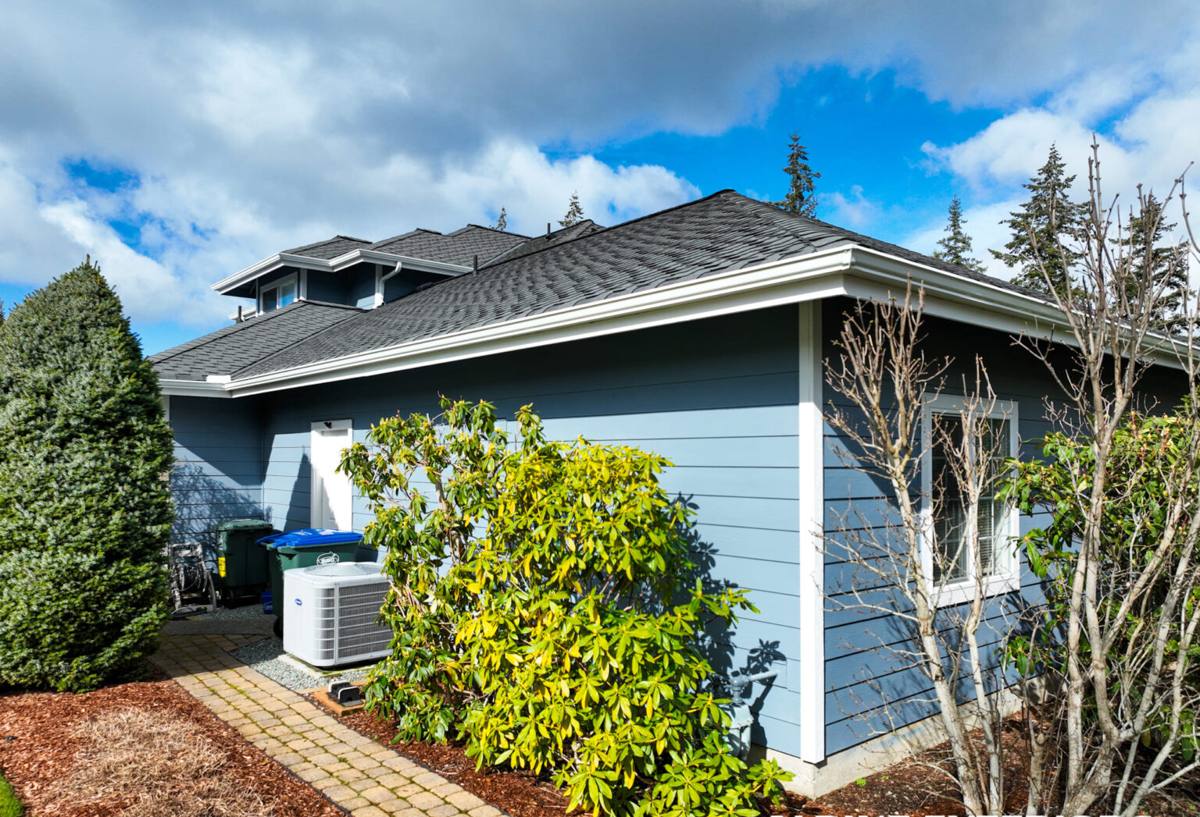
What This Climate Actually Does to a Roof
Before talking about materials, it helps to understand what's working against a roof in this part of Florida:
- UV exposure: Nearly year-round direct sun breaks down asphalt oils and degrades sealants faster than in most of the country.
- Wind-driven rain: Storms here rarely fall straight down — wind pushes rain sideways and up under laps, flashing, and fastener heads that aren't properly sealed.
- Salt air: Proximity to Tampa Bay means airborne salt settles on every exposed surface, accelerating corrosion on unprotected metal, exposed fasteners, and any coating that isn't rated for a marine environment.
- Hurricane-force wind events: Uplift at eaves, ridges, and rakes is the single most common cause of roof failure in this region — not the field of the roof, but the edges.
A metal roof addresses all four of these directly, but only when it's the right system, correctly detailed, and installed with the fastening and flashing this climate demands.
Metal Roofing Systems We Install
Not every metal roof is built the same way, and the differences matter more here than in a mild climate. We walk Oldsmar homeowners through the trade-offs honestly rather than pushing one product for every house.
| System | How It's Attached | Best For | Trade-Offs |
|---|---|---|---|
| Standing seam | Concealed clips, no exposed fasteners | Homes wanting maximum wind and leak resistance | Higher upfront cost, requires a skilled crew to detail correctly |
| Exposed-fastener metal panel | Screws through the panel face with washers | Budget-conscious projects, outbuildings, garages | Fasteners and washers age faster in salt air and need periodic inspection |
| Stone-coated steel | Interlocking panels, often profiled to look like tile or shake | Homeowners wanting a traditional look with metal performance | More installation steps; underlayment detail is critical |
For most Oldsmar homes exposed to open wind and salt air, we lean toward standing seam or a quality stone-coated system because the fastening method keeps water and wind out of the weak points a shingle or exposed-fastener panel relies on hardware to protect. That said, exposed-fastener panels have their place on secondary structures where budget matters more than a 40-plus year service life.
Coatings and Corrosion Resistance
Given the salt air coming off the bay, we don't treat coating specs as a minor detail. Panels rated for coastal exposure use finishes and substrates designed to resist salt corrosion, not just standard mill-grade coatings meant for inland installations. We also make sure fasteners, flashing, and trim are matched metals — mixing incompatible metals in a salt-air environment accelerates galvanic corrosion at every contact point.
What a Correct Metal Roof Installation Actually Involves
A metal roof is only as good as the details underneath it. Most of the failures we get called out to inspect trace back to shortcuts in these areas, not the panel material itself.
Deck Inspection and Repair
We don't install over a deck we haven't checked. Soft spots, old fastener holes, and moisture-damaged sheathing get addressed before a single panel goes down — installing a premium roof over a compromised deck just hides the problem.
Underlayment
In a climate with this much wind-driven rain, a self-adhered or synthetic underlayment rated for high-heat, high-humidity exposure is non-negotiable. This is the roof's backup layer if wind ever drives water past the panel seams.
Fastening and Clip Spacing
Wind uplift resistance comes from correct clip or fastener spacing, especially at eaves, rakes, and ridges — the zones that take the highest uplift load in a hurricane-force event. We follow manufacturer wind-load specs for this region rather than a generic install pattern.
Flashing Details
Valleys, penetrations, chimneys, and wall transitions are where most roof leaks actually start, metal or not. Properly formed and sealed flashing at every one of these points matters more than the panel profile you choose.
Ventilation
Attics under a metal roof still need to breathe. Poor ventilation traps heat and moisture, which shortens the life of decking and insulation even when the roof surface itself is performing fine.
Our Process for Oldsmar Homeowners
- On-site inspection: We assess your current roof, deck condition, ventilation, and any storm or age-related damage before recommending a system.
- Honest system recommendation: Based on your home's exposure, budget, and roofline, we recommend the metal system that actually fits — not a one-size-fits-all pitch.
- Written estimate: Clear scope, materials, and cost breakdown before any work begins.
- Tear-off and deck prep: Old roofing removed, deck inspected and repaired as needed.
- Underlayment and flashing installation: The layers that do the real leak protection go in first and get inspected before panels go down.
- Panel installation: Installed to manufacturer wind-load specs for this region, with attention to edges, valleys, and penetrations.
- Final walkthrough: We review the finished roof with you and go over any warranty registration steps.
What Affects the Cost of a Metal Roof
Every Oldsmar home is a little different, so we won't quote a number without seeing the roof, but these are the factors that move price the most:
| Factor | Why It Matters |
|---|---|
| Roof pitch and complexity | More valleys, dormers, and penetrations mean more flashing work and labor time |
| System type | Standing seam costs more upfront than exposed-fastener panel due to labor and material |
| Deck condition | Rotted or damaged sheathing found during tear-off adds repair cost |
| Coating and gauge | Coastal-grade coatings and heavier gauge steel or aluminum cost more but last longer in salt air |
| Tear-off scope | Removing multiple layers of old roofing adds disposal and labor cost |
Broadly, metal roofing costs more upfront than asphalt shingles, but the gap narrows over the life of the roof once you account for shingle replacement cycles in this climate, plus the wind and hail performance difference.
Maintenance: What Metal Roofing Still Needs
Metal roofing is genuinely low-maintenance compared to shingles, but "low-maintenance" isn't "no-maintenance" — especially with salt air in the mix.
- Rinse off salt residue and debris periodically, particularly after storms.
- Have fasteners or clips inspected every few years, especially on exposed-fastener systems.
- Check flashing and sealant at penetrations annually — this is where age shows up first.
- Clear debris from valleys so water doesn't pool against seams.
- After any major storm, have the roof inspected even if there's no visible damage from the ground.
Why Local Installation Experience Matters
Metal roofing performs differently depending on how it's detailed for the specific exposure it's going into. A crew that regularly works in Oldsmar and the surrounding Pinellas County coastline already understands the wind-load requirements, the salt-air corrosion issues, and the way summer storms move through this part of the Gulf Coast. That's not something you get from a generic install manual — it comes from doing the work here, seeing what fails first in this climate, and adjusting the details accordingly. A roof that's technically installed to spec but not detailed for local wind and salt exposure is the roof that ends up with fastener corrosion or flashing leaks five years in, not thirty.
Questions Worth Asking Before You Hire Anyone
- Are you licensed and insured to do roofing work in Pinellas County?
- What wind-load fastening spec will you use for my roof's exposure?
- What underlayment are you installing, and is it rated for this climate?
- How do you handle flashing at valleys and penetrations?
- What's covered under the manufacturer warranty versus your workmanship warranty?
- Can I see the written scope of work before any deposit is paid?
If a contractor can't give you straight answers on these points, that's worth noticing before you sign anything.
Get a Straight Answer on Your Roof
If you're weighing metal roofing for your Oldsmar home, we're happy to take a look, walk you through what your roof actually needs, and give you honest options — no pressure, no upsell. Fill out the form below for a free estimate.