 Largo Window
 Siding Repair in Oldsmar Isn't Generic Handyman Work
Oldsmar sits on the Pinellas County side of Old Tampa Bay, which means homes here take on a specific combination of stresses that inland houses don't deal with in the same way: hurricane-force wind gusts during the active season, intense sun that beats down on exterior walls nearly year-round, wind-driven rain that gets pushed sideways into seams and trim, and a steady dose of salt air drifting off the water. Siding doesn't fail all at once under those conditions — it fails in specific spots, for specific reasons, and a repair that doesn't account for the actual cause just buys you a year or two before the same section fails again.
This page is about one job, done right, in one area: diagnosing and repairing siding damage on Oldsmar homes. Not a full re-side, not a generic "we fix siding everywhere" pitch — the specific work of figuring out what's actually wrong with a section of siding here, fixing the cause as well as the symptom, and matching the repair so it holds up under the same climate that damaged it in the first place.
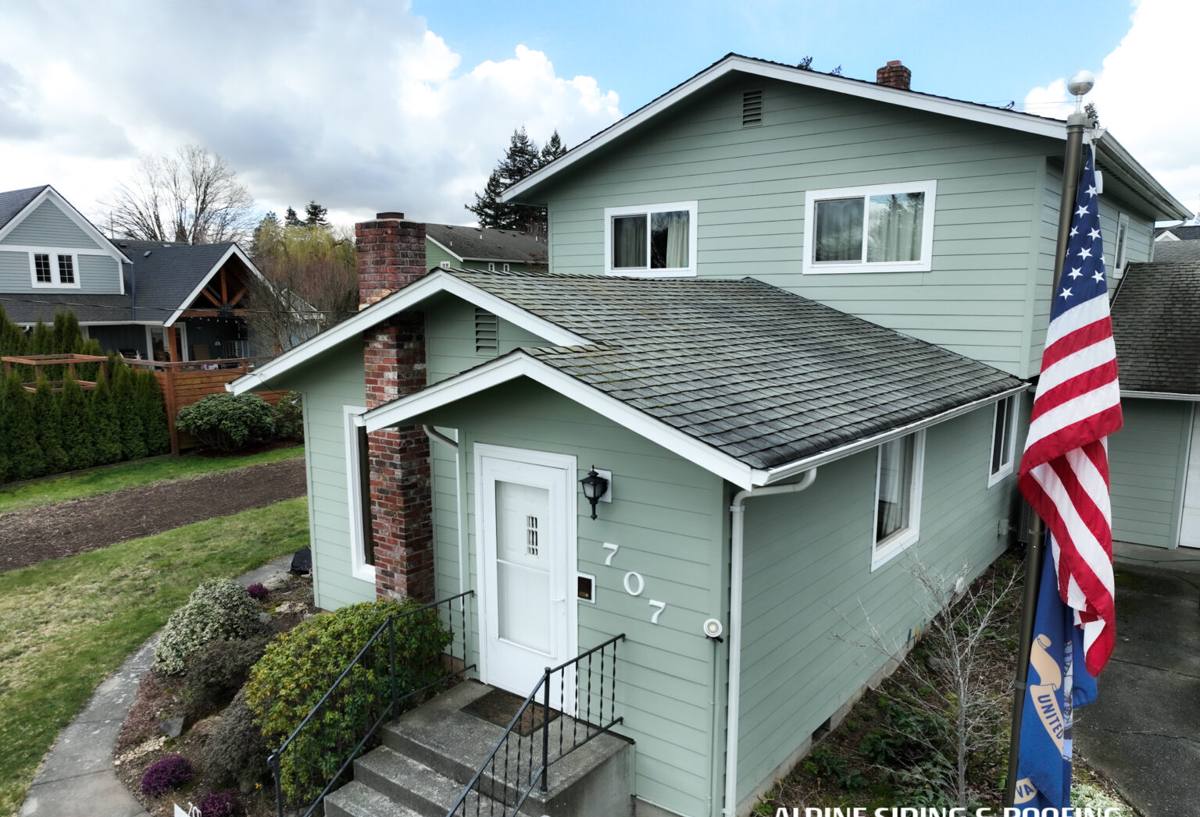
What Pinellas County's Climate Actually Does to Siding
Hurricane and Tropical Storm Wind Loads
Every storm season, Oldsmar homes get tested by sustained wind and gusts that flex siding panels, work fasteners loose, and pry up edges and corners that weren't fully sealed to begin with. A panel that survives one storm with a slightly loosened edge often fails outright in the next one, because wind finds the weak point and works it wider each time.
Year-Round UV Exposure
Florida sun is intense and constant, not seasonal. UV breaks down paint film, dries out caulk, and fades and embrittles lower-grade siding materials over years of exposure. South- and west-facing walls typically show the most wear, since they take the most direct sun through the afternoon.
Wind-Driven Rain
Rain in this region rarely falls straight down during a storm — it comes in at an angle, driven by wind, and finds its way behind loose trim, open seams, and failed caulk joints that would keep out a gentle rain just fine. Once water gets behind siding, it can sit against the wall sheathing for a long time before any staining or softness shows up on the surface.
Salt Air
Being close to Old Tampa Bay means a steady low-level exposure to salt-laden air, which accelerates corrosion on fasteners, flashing, and any metal trim components. Corroded fasteners lose their grip long before the siding material itself shows obvious damage, which is part of why a repair should always include a check of what's holding the siding on, not just the visible panel.
Signs an Oldsmar Home Needs Siding Repair
Some damage is obvious. A lot of it isn't, especially in the early stages, when a small fix would prevent a much bigger one. Homeowners in this area should watch for:
- Soft, spongy, or bubbling spots when you press on a section of siding
- Visible cracking, splitting, or buckling, especially after a storm
- Gaps opening up at seams, corners, or where siding meets trim, windows, or doors
- Staining, streaking, or a musty smell near the base of exterior walls
- Peeling or bubbling paint that keeps coming back in the same spot after repainting
- Rust streaks below fasteners or metal trim pieces
- Visible daylight or drafts through a wall from the inside
- Siding that flexes or moves more than it used to in wind
Any one of these on its own might be minor. Several showing up in the same area, or damage that keeps returning after a cosmetic fix, usually means there's a moisture or fastening problem behind the surface that needs to be addressed directly, not painted over.
What a Correct Repair Actually Involves
A repair that only addresses what's visible from the outside is a temporary fix. A correct one starts with finding out why that section failed in the first place.
Diagnosis Before Demolition
We start by opening up the damaged area enough to see what's actually happening behind the siding — whether the sheathing or framing underneath has taken on moisture, whether flashing around a window or door is doing its job, and whether the fasteners holding adjacent panels are still sound. Cutting out a bad board without checking what's underneath just seals the same problem back up.
Addressing the Cause, Not Just the Symptom
If the damage traces back to a flashing gap, a caulk failure, or a fastening pattern that couldn't hold up to local wind loads, that's what gets fixed — not just the piece of siding that happened to show the damage first. Patching over a bad flashing detail with new siding on top of it is one of the most common reasons a "repaired" section fails again within a year or two.
Matching Material and Finish
Where the surrounding siding is sound, a repair should blend in rather than stand out as an obvious patch. That means matching profile, reveal, and finish as closely as the product allows, and it's a big part of why we work in one material system rather than juggling parts and profiles across several different brands.
Re-Sealing and Re-Fastening to Spec
Every seam, corner, and penetration touched during the repair gets properly flashed and sealed, and fasteners get set to the pattern and depth the material actually calls for — not just however many nails hold it up. That detail work is what determines whether a repair holds through the next few storm seasons or opens back up.
Repair or Replace? How We Help You Decide
Not every damaged section needs a full re-side, and not every repair is worth doing instead of replacement. The right call usually comes down to how much of the wall is affected and what's actually causing the damage.
| Factor | Repair Usually Makes Sense | Replacement Usually Makes Sense |
|---|---|---|
| Extent of damage | Isolated to one or two sections of a wall | Spread across multiple walls or the whole home |
| Underlying moisture | Localized, caught early, sheathing still sound | Widespread rot or long-term water intrusion behind siding |
| Age and condition of remaining siding | Rest of the siding is sound and within its service life | Remaining siding is near the end of its life or already worn |
| Cause of failure | One-time event — storm impact, isolated flashing failure | Systemic issue — original installation errors, wrong material for this climate |
| Material match | Matching product and color still available | Discontinued color or product; a patch would look visibly different |
We'll always tell you honestly which side of that table your home falls on. A well-timed repair is the more cost-effective choice a lot of the time, and we'd rather do the smaller job right than push a full replacement that isn't actually needed yet.
Why We Repair — and Replace — Exclusively with James Hardie Fiber Cement
We install and repair James Hardie fiber cement siding only. We don't work in vinyl, LP SmartSide, or other engineered wood or composite products, and that's a deliberate standard, not a limitation we're apologizing for. In a climate that combines hurricane winds, constant UV, wind-driven rain, and salt air, fiber cement holds its shape, its fastening, and its finish more consistently over time than the alternatives we've chosen not to install. Repairing within one well-understood material system also means a patch actually behaves like the surrounding wall instead of aging differently next to it.
Hardie's ColorPlus factory finish is baked on under controlled conditions and holds color and resists fading better than field-applied paint, which matters directly for repair work — a properly matched ColorPlus repair blends in far better than touch-up paint ever will. Hardie's climate-engineered HZ product lines are built with the moisture and impact resistance this coastal, storm-prone part of Florida needs, and the manufacturer's warranty structure is one we're comfortable standing behind on repair work as well as full installations.
If your home currently has vinyl or another engineered wood siding and only a section needs repair, we'll be upfront that we may not be the right fit for a small patch job in that specific material — but we're glad to talk through your options and, if you're facing a bigger repair or a full re-side down the road, explain why Hardie is what we'd put on your home instead.
Our Process for an Oldsmar Repair Call
- An on-site inspection of the damaged area and a walk of the rest of the exterior, since storm and sun damage rarely shows up in only one spot
- An honest assessment of whether the situation calls for a repair, a partial re-side, or a full replacement — with the reasoning explained, not just a recommendation
- A clear, written scope of the repair work, including what's being opened up, what's being replaced, and how it will be sealed and finished
- The repair itself, with fasteners, flashing, and sealant work brought up to current spec regardless of what was there originally
- A final walk-through so you can see the completed work and ask questions before we consider the job done
Why Hiring a Crew That Already Works in Oldsmar Matters
Siding repair isn't just a materials question — it's a local-conditions question. A crew that regularly works in Oldsmar and the surrounding Pinellas County communities already understands how wind exposure differs on a waterfront-adjacent lot versus a more sheltered inland one, which wall orientations tend to take the worst UV and storm damage in this area, and what local permitting and inspection expects for exterior repair work. That familiarity shows up in small but important decisions — how a repair gets flashed, how fasteners are spec'd for this wind zone, and how confidently we can tell you whether a repair will actually hold or whether you're better off putting that money toward a longer-term fix.
It also means faster, more accurate estimates. We're not guessing at how local storms and salt air affect siding — we're working from what we've already seen on homes in this area, which lets us diagnose the cause of a failure quickly instead of treating every call as a first-time puzzle.
If you've got a section of damaged, cracking, or soft siding on your Oldsmar home, we'll come take a look, tell you plainly what's going on and what it will take to fix it correctly, and give you a free, no-pressure estimate — no obligation either way.