 Largo Window
 Asphalt Shingle Roofing Built for Palm Harbor's Climate
Palm Harbor sits in Pinellas County on Florida's Gulf coast, which means every roof in the area is doing a harder job than a roof would in most of the country. Hurricane-force winds move through on a regular basis, the sun is intense and constant almost year-round, wind-driven rain gets pushed sideways under anything that isn't properly sealed, and the salt air off the Gulf works on fasteners, flashing, and granules over time. An asphalt shingle roof that's installed correctly can handle all of that for decades. One that's installed with shortcuts will show problems in a few years, sometimes sooner.
This page covers what a shingle roof actually needs to hold up in Palm Harbor, how we approach the work, and what to look for whether you're dealing with an aging roof, storm damage, or just planning ahead.
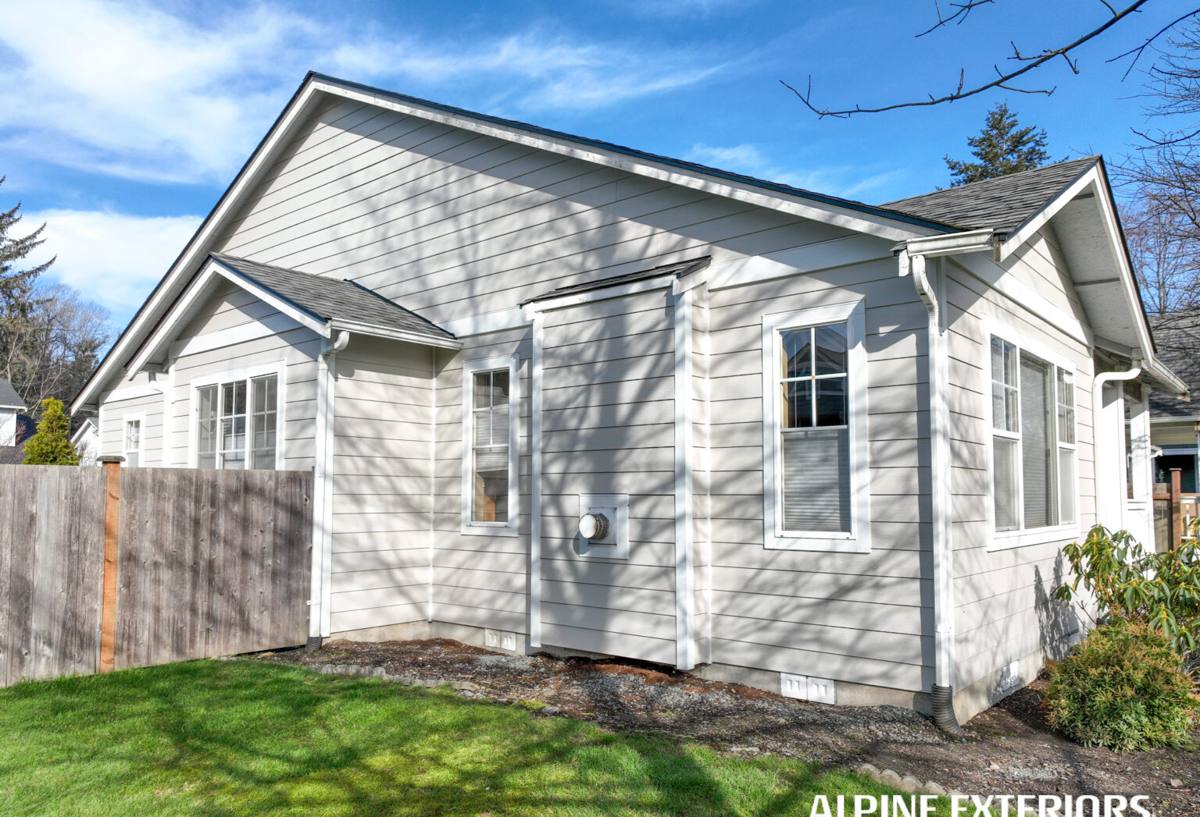
Why This Climate Is Hard on a Shingle Roof
Wind
Pinellas County isn't in Florida's designated High-Velocity Hurricane Zone, but it's still rated for significant wind loads under the Florida Building Code, and Palm Harbor's exposure to Gulf-driven storms means shingles have to resist uplift, not just rain. Wind doesn't just tear shingles off in a hurricane — sustained gusts during ordinary storms slowly work at tab edges and nail lines, especially on a roof that was nailed a little high or with too few fasteners per shingle to begin with.
UV and heat
Central Florida sun is relentless. UV exposure breaks down the asphalt in shingles over years, drying out the mat and causing granule loss, which is the roof's actual wear layer. A dark roof deck can also run hot enough to accelerate aging on the underside of shingles if the attic isn't ventilated properly — heat has nowhere to go, so it just cooks the roofing system from below.
Wind-driven rain
Straight-down rain is easy for any roof to shed. Wind-driven rain is different — it gets pushed up and under shingle edges, into valleys, and around penetrations like vent stacks and chimneys. This is where underlayment quality and flashing detail work matter more than the shingle brand on the label.
Salt air
Being close to the Gulf means airborne salt settles on roofing materials and metal components. Over time it accelerates corrosion on exposed fasteners, drip edge, and flashing, which is part of why fastener choice and metal type matter more here than they would inland.
What a Correct Asphalt Shingle Installation Actually Involves
A shingle roof is a system, not a single product. Every layer matters, and skipping or shorting any one of them is where most premature failures start.
- Wind-rated shingles, nailed correctly. Architectural shingles rated for high wind speeds only perform to that rating if they're nailed with the correct pattern, nail count, and placement — not just "close enough."
- Synthetic or self-adhering underlayment. This is the roof's real waterproofing layer. In wind-driven rain conditions, a quality underlayment — especially self-adhering membrane in valleys and around penetrations — is what keeps water out even if wind gets under a shingle edge.
- Proper flashing at every transition. Chimneys, walls, skylights, and roof-to-wall junctions all need step flashing, counterflashing, or apron flashing that's actually integrated with the underlayment, not just caulked over.
- Drip edge on all edges. Required by code and important for directing water away from the fascia instead of letting it wick back under the roof edge.
- Balanced attic ventilation. Intake at the soffits and exhaust at the ridge or roof vents, sized to actually move air. This controls attic heat and moisture, which extends shingle life and helps prevent deck rot.
- A sound, dry deck underneath. Any soft or water-damaged decking gets replaced before a single shingle goes down — covering a bad deck with a new roof just hides the problem.
Signs a Palm Harbor Roof Needs Attention
Some of these are urgent, some just mean it's time to plan ahead. Either way, they're worth a look:
- Granules collecting in gutters or at downspout discharge points
- Shingles that look curled, cupped, or have lifted edges
- Bald or shiny patches where granules have worn off
- Visible cracked, torn, or missing shingles after a storm
- Soft spots when walking the roof, or sagging visible from the ground
- Water stains on interior ceilings or in the attic
- Daylight visible through the roof deck from inside the attic
- Moss or heavy algae streaking, which usually points to moisture staying put too long
Any one of these on its own might just mean a repair. Several together, or a roof that's getting close to the end of its expected shingle life, usually means it's time to talk about replacement before a small problem becomes a ceiling leak.
Choosing the Right Shingle for a Coastal Florida Roof
Not every shingle product is a good fit for this climate. Here's how the common options generally compare for a Palm Harbor home:
| Shingle Type | Wind Performance | Best Fit For |
|---|---|---|
| 3-tab shingles | Lower wind ratings, lighter weight | Budget-conscious projects on structures with less wind exposure |
| Architectural (laminate) shingles | Higher wind ratings, better mat construction | Most Palm Harbor homes — the standard choice for this climate |
| Impact-rated (Class 4) shingles | Highest wind and impact resistance, often qualify for insurance discounts | Homeowners prioritizing storm resilience and long-term insurance savings |
We'll walk through the trade-offs for your specific roof, budget, and how long you plan to stay in the home — there's no single "right" answer for every house, and we'd rather explain the honest trade-offs than push whatever's most expensive.
Our Process
1. Inspection and honest assessment
We start by actually getting on the roof — not just looking from the ground — to check the deck, flashing, ventilation, and the shingles themselves. You get a clear answer on whether you need a repair, a partial replacement, or a full new roof.
2. Tear-off and deck inspection
For a full replacement, we remove the old roofing down to the deck and inspect every sheet of decking. Any wood that's soft, delaminated, or water-damaged gets replaced — this isn't an upsell, it's the difference between a roof that lasts and one that fails early from the inside out.
3. Underlayment and flashing
New underlayment goes down across the full deck, with self-adhering membrane at valleys, eaves, and penetrations. New flashing is installed at every wall, chimney, and roof transition rather than reusing old flashing that may already be compromised.
4. Shingle installation
Shingles are installed to the manufacturer's high-wind nailing specification, with attention to exposure, alignment, and starter courses at eaves and rakes — the details that actually determine whether a wind rating means anything in practice.
5. Ventilation and cleanup
We confirm intake and exhaust ventilation is balanced, then do a full site cleanup, including a magnetic sweep for stray nails around the property.
6. Final walkthrough
We go over the finished roof with you, answer questions, and make sure you know what documentation you have for warranty and insurance purposes.
Permits and Building Code
Roof work in Pinellas County requires a permit and inspection, and shingle products, underlayment, and fastening schedules all need to meet current Florida Building Code wind requirements for this area. We handle the permitting process as part of the job. This isn't just paperwork — permitted, inspected work is also what insurance companies and future buyers expect to see documented if a claim or a home sale ever comes up.
What Affects Roofing Cost
Every roof is priced based on its own specifics, but these are the main factors that move the number up or down:
| Factor | Why It Matters |
|---|---|
| Roof size and pitch | More square footage and steeper slopes mean more material and labor time |
| Number of layers to remove | Tearing off an existing roof (or multiple layers) adds labor and disposal cost |
| Deck condition | Rotted or damaged decking found during tear-off needs to be replaced before shingles go on |
| Shingle grade | 3-tab, standard architectural, and impact-rated products carry different material costs |
| Roof complexity | Valleys, dormers, chimneys, and skylights all add flashing and labor time |
| Ventilation upgrades | Adding or correcting attic ventilation is sometimes needed and affects total cost |
We'll give you a written, itemized estimate after inspecting your specific roof — not a ballpark guess based on square footage alone.
Why It Matters Who You Hire
A shingle roof is only as good as its installation. Two roofs using the same shingle product can perform completely differently depending on nailing pattern, underlayment choice, flashing detail, and ventilation — none of which are visible from the ground once the job is done. A crew that regularly works in Palm Harbor and the surrounding Pinellas County area understands the wind exposure, salt air, and code requirements specific to this coastline, rather than applying a generic approach that might be fine somewhere with a milder climate.
We stand behind our workmanship and use manufacturer-specified installation methods so the shingle warranty you're paying for is actually valid, not voided by a shortcut nobody told you about.
Get a Free, No-Pressure Estimate
If your Palm Harbor roof is showing wear, took storm damage, or you just want an honest read on where it stands, we're happy to take a look. Fill out the form below for a free estimate — no pressure, just a straight answer about what your roof needs.