 Largo Window
 Roof Repair Built for Palm Harbor's Weather, Not a Generic Checklist
Palm Harbor sits close enough to open water that every roof in the area takes a beating from three directions at once: salt-laden air moving in off the Gulf, wind-driven rain during summer storms, and near-constant UV exposure the other 300-plus days of the year. A roof repair here isn't the same job as a repair in a landlocked market. The materials, the fasteners, the flashing details, and even the order of operations change when you're working on a roof that's already spent years absorbing that combination. We repair roofs in Palm Harbor and the surrounding Largo area on a regular basis, and this page covers what actually goes into doing it right.
This page is specifically about repair — patching, resealing, replacing damaged sections, and restoring a roof that has a problem but isn't yet a full tear-off candidate. If your roof is at the end of its service life, that's a different conversation, but most of what brings homeowners to us in Palm Harbor is a leak, a storm-damaged section, or wear that's showing up faster than it should.
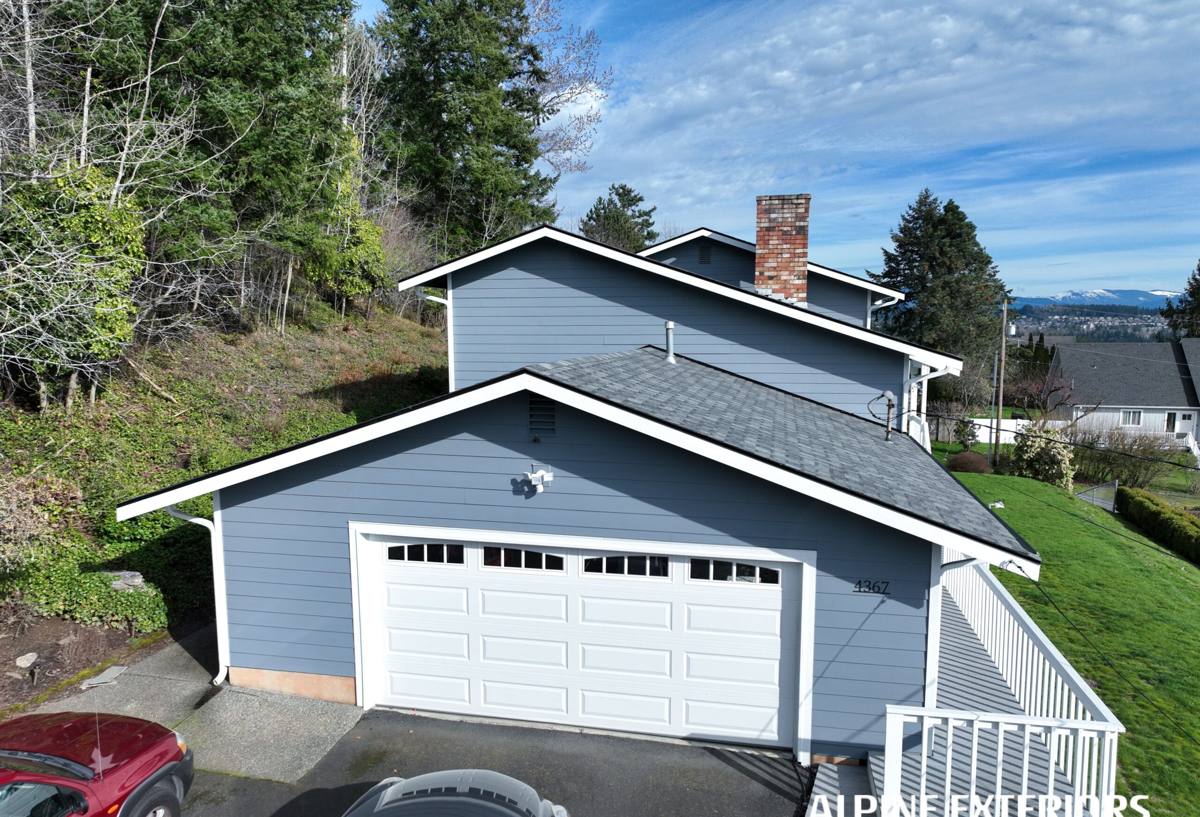
What Pinellas County Climate Does to a Roof Over Time
Understanding the damage pattern helps explain why the repair has to be done a certain way, not just patched and left.
UV and Heat
Florida sun is hard on any roofing material. Shingles lose their granule coating over time, asphalt oils dry out and the mat underneath becomes brittle, and sealants that were flexible when installed can turn stiff and crack. On metal roofing, UV breaks down coatings and can lead to chalking. None of this happens overnight, but it happens faster here than it would in a milder climate, which is why a 20-year-rated shingle in this part of Florida often shows its age well before that mark.
Wind-Driven Rain
A conventional rainstorm falls straight down. Wind-driven rain — the kind that comes with the seasonal storms this part of the county sees — gets pushed sideways and even upward under shingle edges, flashing laps, and ridge caps. A roof that would never leak in a calm rain can leak during a wind event because water is finding its way past seams that were never designed to handle horizontal pressure. This is one of the most common causes of the "new leak we've never seen before" calls we get after a storm.
Hurricane-Force Wind Loads
Even when a named storm doesn't make a direct hit, Palm Harbor roofs regularly see gusts strong enough to lift shingle tabs, peel back ridge cap, or work fasteners loose. Repeated wind events have a cumulative effect — a roof that's been through several seasons of high wind, even without catastrophic damage, often has more loosened fasteners and lifted edges than an untrained eye would notice from the ground.
Salt Air Corrosion
Being close to the coast means airborne salt settles on every exterior surface, roofs included. Salt accelerates corrosion on exposed metal — nails, flashing, vent boots with metal collars, and drip edge — well before it would corrode further inland. A repair that ignores this and uses standard-grade fasteners or flashing is setting up a second repair a few years down the road.
Common Roof Repair Needs We See in Palm Harbor
- Lifted or missing shingles after a wind event, especially along ridges, hips, and roof edges where uplift pressure is highest
- Cracked or brittle pipe boots where the rubber collar around plumbing vents has dried out from UV exposure and separated from the pipe
- Flashing failures around chimneys, skylights, and wall-to-roof transitions, often from sealant breakdown rather than the metal itself failing
- Granule loss and bald spots on aging shingles, which accelerates once the protective coating is gone
- Nail pops and exposed fasteners that let water track underneath the roofing material
- Valley leaks where two roof planes meet and water volume concentrates during heavy rain
- Soft or stained roof decking discovered from the attic side, usually the result of a slow leak that went unnoticed for a while
- Corroded fasteners and flashing from long-term salt air exposure
What a Correct Roof Repair Actually Involves
A roof repair that's done right isn't just "find the hole, cover the hole." It starts with figuring out where water is actually entering, which is not always where the stain appears inside the house — water can travel along decking or rafters before it shows up on a ceiling. From there:
1. Diagnosis Before Any Work Starts
We inspect the roof surface, the flashing details, and where possible the attic side, to trace the leak to its actual source. Repairing the wrong spot is a waste of the homeowner's money and doesn't stop the problem.
2. Assess the Decking
If water has been getting in for a while, the plywood decking underneath may be soft or delaminated. Patching shingles over compromised decking doesn't hold — the repair needs to include replacing any damaged sheathing before new roofing material goes down.
3. Match Materials and Fastening Method to the Coastal Environment
Given the salt air and wind exposure this area sees, we don't cut corners on fastener quality or flashing material during a repair. Using corrosion-resistant fasteners and properly lapped, sealed flashing costs a little more upfront but avoids a repeat repair caused by the same environmental factors that caused the first one.
4. Reseal and Reintegrate, Don't Just Patch on Top
A repair section needs to tie into the surrounding roofing correctly — proper shingle overlap, correct nail placement, and flashing that's integrated with the existing underlayment rather than caulked over the top of it. Surface-level caulk fixes tend to fail within a season or two in this climate because they're not built to flex with temperature swings or shed wind-driven rain.
5. Verify the Fix
Once the repair is complete, we check the area again and, where relevant, confirm from the attic side that there's no ongoing moisture path.
Repair vs. Replacement: How to Tell Which You Need
| Situation | Repair Usually Makes Sense | Replacement Should Be Considered |
|---|---|---|
| Age of roofing material | Under roughly 15 years, isolated issue | Near or past manufacturer's expected service life |
| Extent of damage | Localized to one section, flashing point, or penetration | Widespread granule loss, multiple leak points, or storm damage across large areas |
| Decking condition | Solid, dry decking under the affected area | Soft, stained, or delaminated decking in multiple locations |
| Leak history | First occurrence or isolated recurring spot | Chronic leaks in different areas over time |
| Cost relative to full roof value | Repair cost is a small fraction of replacement cost | Repairs are adding up and starting to approach replacement cost |
Most of what we're called out for in Palm Harbor genuinely falls into the repair category — the roof has years of good service left, and the issue is a specific, fixable problem. We'll tell you honestly if we think a repair is a short-term patch on a roof that needs full replacement; there's no benefit to either of us in doing a repair that won't hold.
Why It Matters That We Work Palm Harbor Regularly
Roofing problems in this specific pocket of Pinellas County follow patterns that a crew unfamiliar with the area won't necessarily anticipate. Knowing which roof orientations take the worst of the wind-driven rain, which flashing details tend to fail first on homes of a certain age in this area, and how quickly salt air corrodes exposed fasteners here versus elsewhere all come from doing this work locally and repeatedly. That local knowledge shows up in small decisions during a repair — the grade of fastener used, how flashing is lapped and sealed, which areas get extra attention during inspection — that a generic approach might miss.
It also matters for response time. Roof leaks found during or right after a storm need attention quickly, before water damage spreads into decking, insulation, and interior finishes. A contractor who already works this area can get to a Palm Harbor property faster than one dispatching from across the region.
What We Look At During a Repair Estimate
- Current condition and age of the roofing material
- Source and extent of any active leak, including attic-side inspection when accessible
- Condition of flashing at chimneys, vents, skylights, and wall transitions
- Condition of fasteners and any signs of corrosion
- Decking condition in the affected area
- Whether the issue is isolated or indicates a broader pattern of wear
Materials We Use for Repairs
For shingle roofs, we match repairs to the existing material as closely as possible so the patch blends in and performs consistently with the surrounding roof. For flashing and fasteners, we favor corrosion-resistant options given the coastal exposure — this is a case where using a slightly higher-grade material during a repair saves a callback later. We're straightforward about these choices: they add a small amount to the cost of a repair, but skipping them in a salt-air environment tends to shorten the life of the fix.
Simple Maintenance That Extends the Life of a Repair
Once a repair is done, a few habits help it last:
- Clear debris from valleys and gutters regularly so water doesn't pool against repaired areas
- Trim overhanging branches that can abrade shingles or drop debris during storms
- Have the roof looked at after any major wind event, even if there's no visible leak yet
- Check attic ventilation periodically — poor ventilation traps heat and moisture, which accelerates the same UV and material breakdown discussed earlier
- Address small issues (a lifted shingle tab, a cracked pipe boot) promptly rather than waiting for a full leak to develop
Get a Straightforward Roof Repair Estimate
If you're dealing with a leak, storm damage, or a roof that's showing its age in Palm Harbor, we're happy to take a look and give you an honest assessment — repair, or something more, with no pressure either way. Fill out the form below for a free estimate.