 Largo Window
 Deck Repair Built for Pinellas Park's Climate
Pinellas Park sits inland from the coast but still takes the full brunt of what Pinellas County weather delivers year-round: long stretches of intense UV, sudden downpours, hurricane-force wind events, and the salt-laden air that drifts in off Tampa Bay and the Gulf. A deck here isn't just outdoor furniture sitting on posts — it's a structure that has to survive constant expansion and contraction, standing water after heavy rain, and fasteners that corrode faster than they would inland in a drier climate. When we get called out to repair a deck in this neighborhood, the damage almost always traces back to one or more of these conditions, not to a single bad build decision.
This page covers what deck repair actually looks like for homes in this part of Largo's service area, what we check before we ever pick up a tool, and why it matters to work with a crew that already understands how local decks fail.
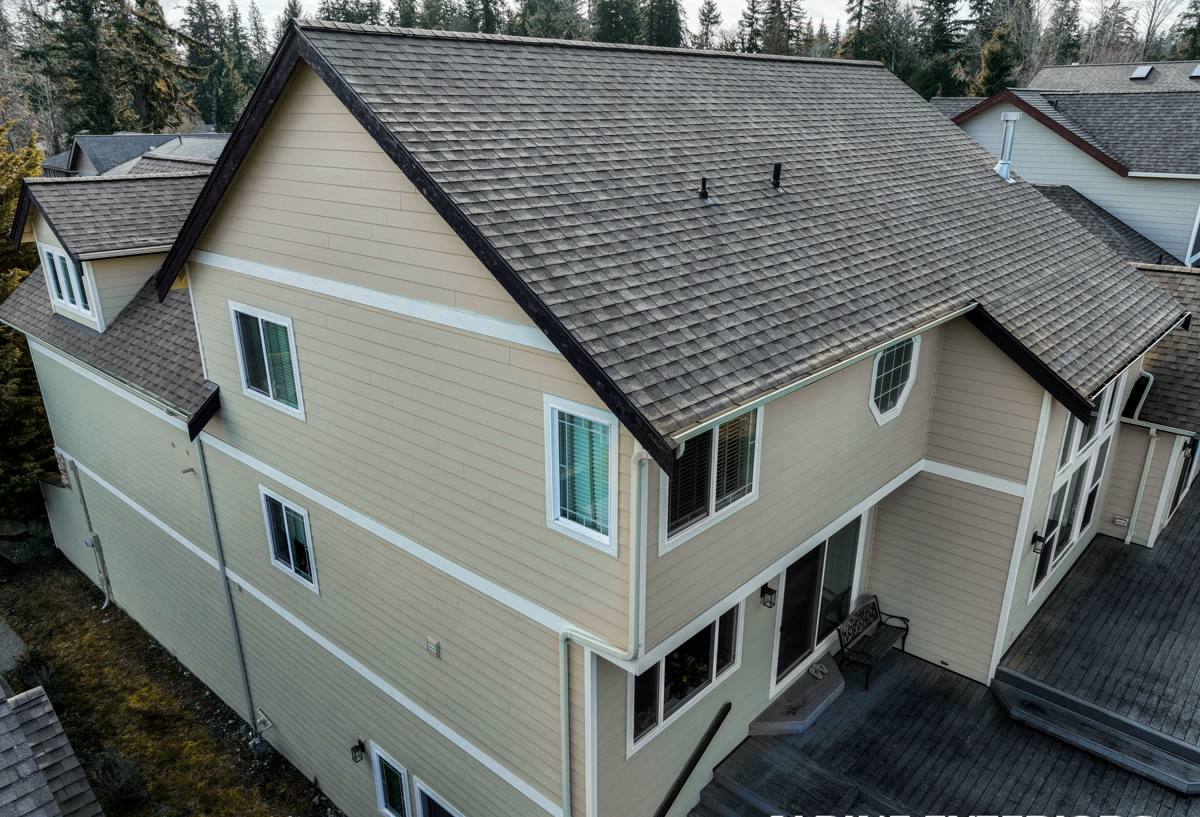
Why Decks in This Area Wear Differently
Two identical decks built on the same day — one in a dry inland climate, one here — will not age the same way. A few things are working against wood and fasteners in Pinellas Park specifically:
- UV exposure: Florida sun breaks down wood fibers and finishes faster than most homeowners expect, leading to graying, splintering, and surface checking well before the structure itself is compromised.
- Wind-driven rain: Storms here rarely fall straight down. Rain gets pushed sideways under railings, into ledger board connections, and into end grain that isn't sealed, which is where rot usually starts.
- Salt air: Even away from the immediate coastline, airborne salt accelerates corrosion on nails, screws, joist hangers, and any exposed metal hardware.
- Humidity and standing water: Poor drainage under and around a deck keeps framing members damp far longer than they should be, which is the single biggest driver of rot we see.
None of this means decks here are a bad investment — it means repair and maintenance schedules need to account for a harsher environment than a generic national guide assumes.
The Warning Signs Homeowners Notice First
Most deck repair calls start with something small the homeowner noticed while walking across the deck or hosing it down. The most common early signs we hear about:
- Boards that feel spongy or flex more than they used to underfoot
- Visible gaps or separation where the deck meets the house (the ledger board connection)
- Railings or posts that wiggle when pushed
- Rust streaks running down from screw heads or hardware
- Discoloration, dark staining, or a musty smell in shaded or low-airflow sections
- Nail heads popping up above the board surface
Any one of these on its own might be minor. Several at once, or any sign near the ledger board or support posts, is worth a proper inspection before it turns into a safety issue.
Why the Ledger Board Deserves Special Attention
The ledger board — the piece that bolts the deck directly to the house — is the connection point that matters most structurally, and it's also the hardest one for a homeowner to inspect visually because so much of it is hidden behind the deck surface or flashing. Wind-driven rain finds its way behind poorly flashed ledger boards more often in this climate than in drier regions, and once moisture gets trapped there, rot can spread for a long time before it shows on the surface. This is one of the first things we check, every time.
What a Correct Deck Repair Actually Involves
A lot of deck "repairs" amount to swapping a few obviously rotten boards and calling it done. That approach treats the symptom, not the cause, and it's why some decks need the same repair again within a year or two. A repair done right starts with figuring out why the damage happened in the first place.
Our Process
- Full structural walk-through: We check the ledger board connection, support posts, footings, joists, and railings — not just the decking surface — for soft spots, corrosion, and movement.
- Moisture and drainage check: We look at how water moves off and away from the deck, including gaps between boards and airflow underneath, since poor drainage is usually the root cause of repeat damage.
- Hardware inspection: Fasteners, joist hangers, and post connectors get checked for rust and corrosion, since compromised hardware in salt-influenced air is a common hidden failure point.
- Targeted repair: We replace only what's actually failed — individual boards, framing members, or hardware — using fasteners and connectors rated for coastal or high-moisture exposure.
- Sealing and finish: Repaired sections get properly sealed against UV and moisture so the fix matches the durability of the surrounding deck, not just its appearance.
The goal on every job is a repair that holds up to the next storm season, not just one that looks fine the day we leave.
Repair vs. Replacement: How We Make That Call
Not every damaged deck needs to be torn out and rebuilt, and not every deck can be safely patched. The honest answer depends on where the damage is and how far it's spread.
| Factor | Usually Repairable | Often Needs Replacement |
|---|---|---|
| Location of damage | Isolated boards or railings | Ledger board, multiple support posts, or main framing |
| Age of deck | Under 10-15 years, well-maintained | Original construction is decades old with no maintenance history |
| Extent of rot | Surface-level or a few isolated members | Structural framing soft in multiple areas |
| Hardware condition | Minor surface corrosion | Widespread rusted-through connectors |
| Cause of damage | One-time event (storm impact, isolated leak) | Long-term drainage or design flaw affecting the whole structure |
We'll always tell you plainly which category your deck falls into, including when a repair is a reasonable short-term fix but replacement is the better long-term move. We're not going to talk you into a full rebuild when a targeted repair will genuinely hold up.
Materials and Fasteners That Actually Belong Outdoors Here
Given the salt air and humidity in this part of Pinellas County, the fasteners and hardware used in a repair matter as much as the boards themselves. Standard interior-grade hardware corrodes noticeably faster here than it would in a drier inland climate, which is why we use fasteners and connectors rated for coastal or high-moisture exposure on repair work, even when the original build didn't. It costs a little more up front and saves homeowners from having the same corrosion problem resurface in a couple of years.
On the wood side, we match repair boards to the existing deck material where possible, and we're upfront about the maintenance trade-offs of different decking types — some hold up to UV and moisture better than others, some need more frequent sealing, and some show wear faster in direct, unshaded sun exposure that's common on south- and west-facing decks in this area.
A Simple Homeowner Checklist
Between professional inspections, these checks take a few minutes and can catch problems early:
- Walk the full deck surface and note any soft, spongy, or bouncy spots
- Push on railings and posts to check for movement
- Look for rust streaks below screws, nails, or metal connectors
- Check the area where the deck meets the house for gaps, staining, or soft wood
- Clear leaves and debris from between boards so water can drain instead of pooling
- Look underneath the deck (where accessible) for standing water or poor airflow
- Note any changes after a major storm — even minor impact damage is worth a second look
Why Local Experience Matters for This Kind of Repair
A crew that works decks across different climates will still get the fasteners and the framing right. But a crew that already works regularly in Largo and the surrounding Pinellas Park area knows which failure patterns show up here specifically — where wind-driven rain tends to get in, how fast UV breaks down an unsealed board in an exposed backyard, and which hardware choices actually hold up against salt air over multiple hurricane seasons. That local pattern recognition is what separates a repair that looks right from one that's actually built to last through the next several storm seasons.
We also understand the practical side of scheduling repair work around Florida's storm season — getting ahead of known damage before the next major weather event, rather than discovering a compromised ledger board or support post in the middle of a hurricane warning.
Get a Straight Answer on Your Deck
If your deck has soft spots, loose railings, rust stains, or you just haven't had it looked at since it was built, it's worth a professional inspection before those small issues turn into a bigger, more expensive repair. We'll give you an honest read on what's actually going on and what it will take to fix it — no pressure, no upsell. Reach out for a free estimate and we'll walk your deck with you and lay out your options in plain terms.