 Largo Window
 Why Pinellas Park Siding Has to Work Harder
Pinellas Park sits in the middle of Pinellas County, close enough to both the Gulf and Tampa Bay that homes here deal with a mix of coastal stress even without a waterfront view. Salt-laden air moves inland on the breeze, summer humidity stays high for months at a time, and the sun is intense and nearly constant. Add Florida's hurricane season, with sustained high winds and horizontal, wind-driven rain, and you have a climate that is genuinely tough on exterior building materials.
Siding in this environment isn't just a cosmetic layer. It's the first line of defense against moisture intrusion, wind uplift, and UV degradation, all at once, year after year. Materials that perform fine in a drier or milder climate often struggle here: they absorb moisture, warp, fade, or lose their grip on fasteners faster than the manufacturer's marketing suggests. That's the reason we standardized on James Hardie fiber cement for every siding job we take on, including here in Pinellas Park.
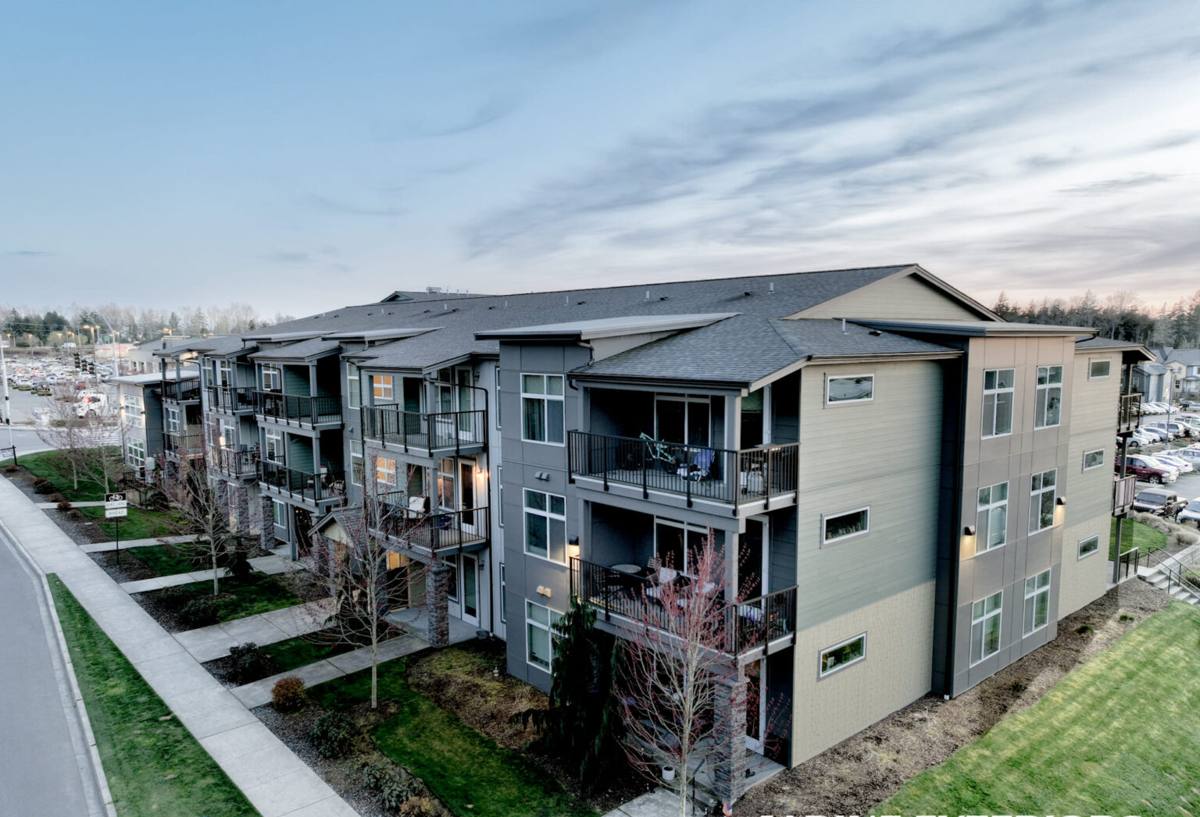
What Fiber Cement Siding Actually Is
Fiber cement siding is made from a mix of cement, sand, and cellulose fiber, cured into rigid, dimensionally stable planks or panels. Unlike vinyl, it doesn't soften and warp in direct sun. Unlike wood or wood-based composites, it doesn't swell when it absorbs moisture, because the material itself isn't wood. James Hardie's products go a step further with a factory-applied ColorPlus finish, a baked-on coating that's more UV- and fade-resistant than field-applied paint, which matters a great deal under Florida's sun exposure.
James Hardie also engineers regional product lines for different climate zones. Its HZ5 formulation is built specifically for humid, moisture-heavy climates like ours, with additional resistance to moisture-related damage compared to the standard formulation sold in drier parts of the country. That's a meaningful difference for a Pinellas Park home that sees months of high humidity every year.
How Fiber Cement Compares to the Alternatives
Homeowners researching siding options usually run into a handful of common materials. Here's how they hold up under Pinellas Park's specific mix of wind, sun, moisture, and salt air.
| Material | Wind & storm resistance | Moisture behavior | UV / fade resistance | Salt air durability |
|---|---|---|---|---|
| James Hardie fiber cement | Engineered for high wind loads; rigid, won't flex or crack under gusts | Resists swelling and rot; HZ5 formulation for humid climates | Factory ColorPlus finish resists fading for years | Non-organic material, holds up well to salt exposure |
| Vinyl siding | Can crack, buckle, or blow off in high winds; softens in heat | Doesn't absorb water, but seams and gaps allow water behind panels | Fades and chalks with sustained UV exposure | Can become brittle over time near salt air |
| LP SmartSide / wood-based composite | Reasonable wind performance when installed correctly | Wood-strand core can swell or fail if moisture reaches cut edges or seams | Needs field-applied paint maintained on a schedule | Organic core is more vulnerable to long-term moisture and salt exposure |
| Primed spruce / cedar | Performs adequately but is more prone to wind-driven rain damage at joints | Natural wood absorbs and releases moisture, prone to rot without diligent upkeep | Requires repainting or staining on a recurring cycle | Most vulnerable to salt-accelerated decay of the group |
This isn't a knock on every other product on the market; each has a place. But for Pinellas Park's specific combination of storm exposure, UV load, and salt air, fiber cement's non-combustible, moisture-resistant, dimensionally stable makeup is what we've found holds up the way homeowners expect siding to hold up.
What a Correct Fiber Cement Installation Involves
Fiber cement is only as good as the installation behind it. James Hardie's warranty and performance claims assume the product is installed to its written specifications, and in a wind- and rain-exposed area like Pinellas Park, skipping steps shows up as problems within a few years rather than decades.
A correct installation includes:
- A properly prepared water-resistive barrier and flashing system behind the siding, so any moisture that does get past the surface has a path to drain out, not in
- Correct fastener type, spacing, and placement per James Hardie's published installation guide, not generic siding nailing patterns
- Proper clearance gaps at the bottom of the siding, around windows and doors, and at roof lines, so water sheds instead of wicking into end-grain cuts
- Caulking and sealant only where James Hardie specifies it, using compatible products, not sealing every joint indiscriminately
- Field-cut edges primed or sealed before installation, since raw cut edges are the most vulnerable point on any fiber cement board
- Attention to butt joints and seams so they're staggered and properly flashed, not just butted together and caulked over
Every one of those details is easy to shortcut and hard for a homeowner to inspect after the fact. It's also exactly where a lot of the corner-cutting that voids warranties or leads to early moisture problems actually happens.
Our Process for a Pinellas Park Siding Project
We keep the process straightforward and give homeowners a clear idea of what to expect at each stage:
- On-site evaluation. We look at your home's current siding condition, the substrate underneath, trim details, and any problem areas like window returns or roof-to-wall transitions before quoting anything.
- Product and color selection. We walk through the relevant James Hardie product line and ColorPlus color options for your home's style and HOA requirements, if applicable.
- Removal and substrate check. Old siding comes off and we inspect the sheathing underneath for any moisture damage that needs to be addressed before new siding goes on. Covering up a compromised substrate is how good siding jobs fail early.
- Weather barrier and flashing. We install or repair the water-resistive barrier and flashing details around every penetration, window, and door before a single piece of siding goes up.
- Installation to manufacturer spec. Fastening, clearances, joint staggering, and sealant application follow James Hardie's published guidelines, not shortcuts.
- Final walkthrough. We review the finished job with you, including caulking lines, trim details, and paint touch-ups, before considering the project complete.
What Affects Cost on a Fiber Cement Project
Every home is different, and we won't quote a number without seeing the project, but these are the main factors that move a fiber cement siding estimate up or down in Pinellas Park:
| Factor | Why it matters |
|---|---|
| Home size and wall square footage | More material and labor hours, straightforward driver of overall cost |
| Trim and architectural detail | Homes with more corners, gables, dormers, and trim require more cutting, fitting, and finish work |
| Number of stories | Second-story work requires scaffolding or lift equipment and more time per square foot |
| Existing siding removal and disposal | Tear-off adds labor and disposal cost compared to installing over new construction sheathing |
| Substrate repair | Rotted sheathing or framing found during removal has to be repaired before new siding goes on |
| Product line and profile | Plank width, texture (smooth vs. cedar-shake style), and panel type affect material cost |
| HOA or design review requirements | Some Pinellas Park communities have color or style approval steps that affect timeline, not usually cost |
Maintenance and Long-Term Performance
One of the practical advantages of fiber cement in this climate is how little upkeep it needs compared to wood or older vinyl. It won't rot, it's not a food source for insects, and it holds paint and factory finish far longer than wood siding exposed to the same UV and humidity. That said, no siding is maintenance-free here. We recommend homeowners:
- Rinse the siding periodically to remove salt residue and airborne grime, especially on homes closer to open water
- Inspect caulking lines annually, particularly after a rough storm season, and have any cracked or missing sealant addressed promptly
- Keep an eye on sprinkler heads and irrigation spray patterns, since repeated direct water contact at the base of the siding can wear down even durable materials over time
- Have a professional check flashing and trim details every few years, since these are the components most likely to need attention before the siding field itself does
Done right, a James Hardie fiber cement installation is built to perform for decades in this climate, with the factory finish typically outlasting field-applied paint jobs by a wide margin.
Why Local Experience in Pinellas Park Matters
Siding work in Pinellas Park isn't generic exterior work. Contractors here need to understand Florida Building Code wind-load requirements that apply to Pinellas County, know how local permitting and inspection processes work, and recognize the specific ways wind-driven rain and salt exposure tend to find weak points in a building envelope in this part of the state. A crew that installs siding across climate zones without that local grounding is more likely to miss details that only show up as problems after the next storm season.
We work in Pinellas Park regularly, which means we're familiar with the area's building department requirements, the kind of homes and construction styles common in the neighborhood, and the real-world performance of the materials we install here, not just their spec sheets. That local familiarity is part of what a correct installation depends on.
Get a Free Estimate
If you're considering new siding or need to replace storm-damaged or aging siding on a Pinellas Park home, we're happy to take a look and walk you through your options. There's no pressure and no obligation, just a straightforward evaluation and an honest estimate using the form below.