 Largo Window
 Siding Built for Pinellas Park's Weather, Not Just Its Look
Pinellas Park sits inland from the Gulf but still gets the full weather package that defines this part of Pinellas County: long stretches of intense UV exposure, sudden wind-driven downpours in summer, salt-laden air carried in off the bay and Gulf coastline, and the real possibility of hurricane-force winds during storm season. Siding here isn't a cosmetic upgrade — it's the layer standing between your walls and a climate that works against building materials year-round.
A lot of the siding problems we see on Pinellas Park homes didn't start as installation failures. They started as material choices that couldn't hold up to this specific combination of heat, humidity, UV, and wind. That's the frame we bring to every siding job in this area: pick a product that's actually engineered for this climate, then install it correctly to spec. Skip either half and the siding fails early, regardless of how good it looks on day one.
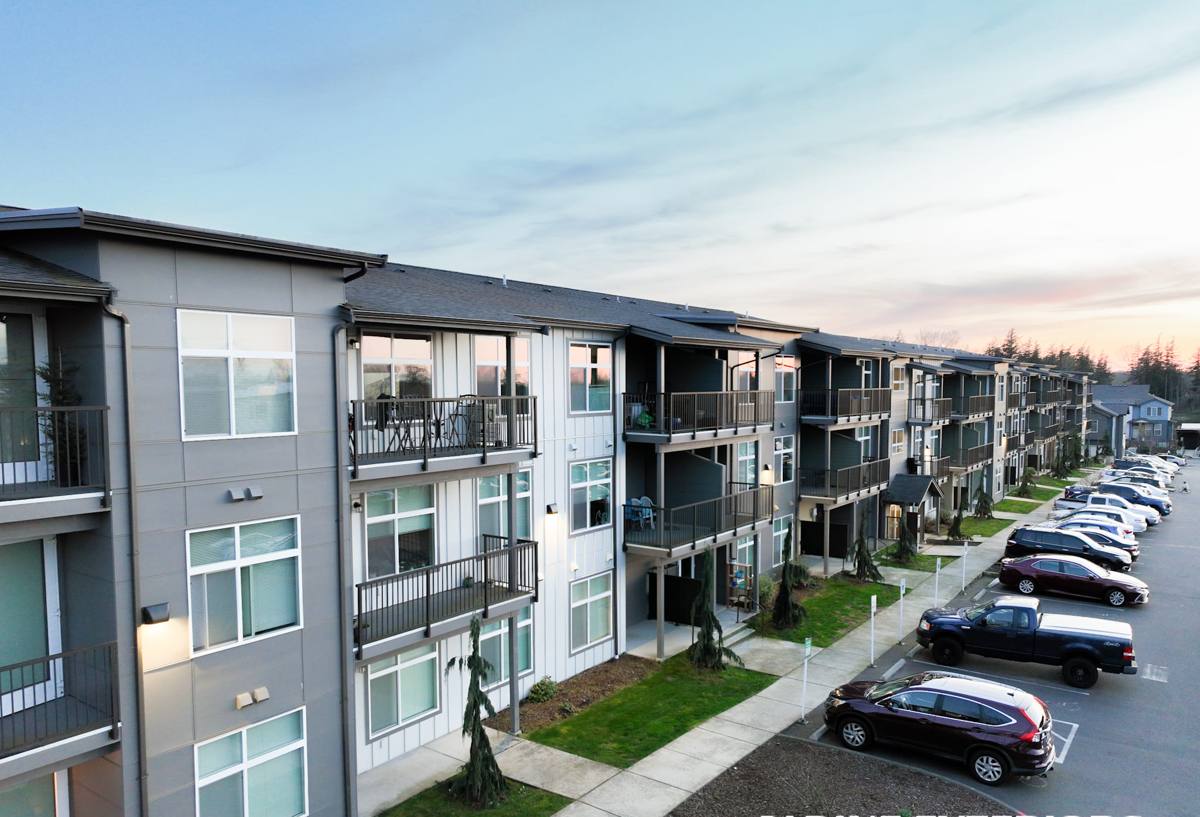
What Pinellas Park Homes Actually Need From Their Siding
Wind Resistance That Matches Local Wind Zones
Pinellas County building code reflects the real wind loads this area sees, and siding fastening schedules, panel selection, and trim details all need to meet those requirements — not just the manufacturer's minimum baseline. A siding job that looks fine but wasn't fastened to local wind-load requirements is a liability the first time a tropical system pushes through.
UV Stability Over Years, Not Seasons
Central Florida sun is relentless. Paint-grade siding materials that aren't factory-finished for UV resistance start to fade, chalk, or need repainting far sooner here than they would in a milder climate. Homeowners in Pinellas Park often tell us they're repainting siding every few years just to keep it looking presentable — that's a maintenance cost most people don't budget for when they choose a cheaper siding product up front.
Moisture and Rot Resistance
Wind-driven rain doesn't just hit siding — it finds every gap, seam, and fastener penetration and tries to get behind it. Siding material and installation method both matter here. A product that swells, delaminates, or rots when it stays damp is a poor match for a climate where afternoon storms are a near-daily summer occurrence.
Salt Air Durability
Pinellas Park isn't beachfront, but it's close enough to the Gulf and Tampa Bay that airborne salt still reaches homes here, especially during onshore wind events. Salt exposure accelerates corrosion on fasteners and trim, and it degrades some siding finishes faster than inland climates would predict.
Why We Install Only James Hardie Fiber Cement Siding
We made a decision as a company to install James Hardie fiber cement siding exclusively, and Pinellas Park is exactly the kind of climate that decision was built around. Fiber cement is non-combustible, dimensionally stable in heat and humidity, and holds up to wind-driven rain far better than wood-based or foam-backed alternatives. James Hardie's HardieZone system specifically engineers panel formulations for humid climates like ours, and the ColorPlus factory finish is baked on and warranted against fading — which matters a great deal under Florida sun.
We don't install vinyl, LP SmartSide, primed wood, or other fiber cement brands. That's not a knock on every homeowner who has one of those products on their home — it's a reflection of what we've seen hold up over time in this specific climate, and what we're willing to put our name behind. If you want the fuller comparison on any of those products, we cover them in more detail elsewhere on this site. For this page, the short version is: fiber cement engineered for humid, high-wind, high-UV climates is the standard we hold every Pinellas Park siding job to.
What Correct Siding Installation Actually Involves
The siding material is only half the equation. A huge share of premature siding failures — on any brand — trace back to installation shortcuts rather than product defects. Correct installation in this climate means:
- Proper weather-resistive barrier installed and lapped correctly before any siding goes up
- Flashing at every window, door, and roof-to-wall transition, installed to shed water outward, not trap it behind the siding
- Fastener spacing and type that meet both the manufacturer's specification and Pinellas County's wind-load requirements
- Correct clearances at grade, roof lines, and decks so siding isn't sitting in standing water or trapped moisture
- Properly caulked and sealed joints using products rated for exterior, high-UV exposure
- Panel and trim seams staggered and sealed to prevent water intrusion at joints
Any one of these done wrong can undercut an otherwise good siding product. We've re-sided homes where the material itself was fine, but flashing was missing or fasteners were driven wrong, and moisture had already gotten behind the siding for years before it showed on the surface.
Our Installation Process for Pinellas Park Homes
1. On-Site Assessment
We start by walking the exterior, checking the current siding condition, looking at what's happening behind it where accessible, and noting problem areas — trim, windows, roof transitions, anywhere water has historically had a path in.
2. Tear-Off and Substrate Check
Old siding comes off and we inspect the sheathing underneath. Any rot, moisture damage, or compromised substrate gets addressed before new siding goes on — covering a bad substrate with new siding just hides the problem for a few more years.
3. Weather Barrier and Flashing
A new weather-resistive barrier goes on, properly lapped, followed by flashing at every penetration and transition point. This step is where most long-term water problems are either prevented or created.
4. Hardie Panel or Plank Installation
Panels or lap siding are installed per James Hardie's specifications and fastened to meet Pinellas County wind requirements, with attention to correct nailing patterns, joint spacing, and clearances.
5. Trim, Caulking, and Final Details
Trim work, corner details, and caulking are finished with exterior-rated sealants suited to Florida's UV and humidity. This is also where we confirm every seam and joint is sealed correctly, not just visually acceptable.
6. Final Walkthrough
We walk the finished job with the homeowner, point out anything worth knowing for future maintenance, and answer questions about the warranty coverage on both material and workmanship.
Signs Your Pinellas Park Home's Siding Is Already Failing
Homeowners often wait too long to address siding problems because early signs are subtle. Watch for:
- Soft spots or visible warping, especially near the bottom courses or window sills
- Paint that's bubbling, peeling, or chalking faster than it should
- Visible gaps at seams, corners, or trim where caulking has failed
- Discoloration or staining that suggests water is tracking behind the siding
- Siding that feels spongy or flexes when pressed, a sign of moisture damage underneath
Any of these are worth a professional look before the next storm season, not after.
Cost Factors for a Pinellas Park Siding Installation
Every home is different, but the same handful of factors drive most of the cost variation we see on siding jobs in this area:
| Factor | Why It Affects Cost |
|---|---|
| Home size and wall square footage | More surface area means more material and labor hours |
| Existing substrate condition | Rot or water damage found during tear-off requires repair before new siding goes on |
| Siding profile chosen | Lap siding, panel siding, and shingle-style Hardie products have different material and labor costs |
| Trim and architectural detail | Homes with more corners, windows, and roofline transitions require more flashing and trim work |
| Story height and access | Two-story sections and difficult access add labor time and equipment needs |
| Color and finish selection | Factory ColorPlus finishes vs. field-painted options affect material pricing |
We give homeowners a real, itemized number after a proper on-site assessment — not a per-square-foot guess that doesn't account for what's actually going on with the home.
Maintenance After Installation
One of the advantages of fiber cement in a climate like this is how little ongoing maintenance it actually needs compared to painted wood or aging vinyl. Even so, a few habits keep it performing well for the long haul: rinse off salt and grime buildup periodically, keep an eye on caulked joints for cracking over time, trim vegetation back from direct contact with siding, and address any impact damage promptly rather than letting it sit exposed. None of this is heavy upkeep — it's the kind of occasional attention that protects a job that was installed correctly in the first place.
Why It Matters to Hire a Crew That Already Works in Pinellas Park
Siding installation isn't identical everywhere in the country, and it isn't even identical everywhere in Florida. A crew that regularly works Pinellas Park and the surrounding Pinellas County area already knows the local wind-load requirements, the permitting expectations, and the specific ways heat, humidity, and storm exposure play out on homes in this part of the state. That local familiarity shows up in the details — flashing choices, fastening schedules, and material selection that's actually matched to what this climate does to a house over ten, twenty, and thirty years, not just what looks good at handoff.
Questions to Ask Any Siding Contractor Before You Hire
- Are you licensed and insured to do exterior work in Pinellas County?
- Will the installation meet local wind-load and permitting requirements, not just manufacturer minimums?
- What's your process for checking and repairing the substrate before new siding goes on?
- What warranty covers the material, and what warranty covers your workmanship separately?
- Can you walk me through your flashing and moisture-barrier approach before panels go up?
A contractor who can answer these clearly and specifically, without vague reassurances, is one worth trusting with your home's exterior.
If your Pinellas Park home's siding is aging, damaged, or you're planning ahead of the next storm season, we're happy to take a look and give you a straightforward, no-pressure estimate on James Hardie siding installed to spec for this climate. The form below gets you started.