 Largo Window
 Storm Damage Roofing in the Pinellas Park Area
Pinellas Park sits in the middle of Pinellas County, close enough to both Tampa Bay and the Gulf that it gets weather from two directions. When a tropical system or a fast-moving summer storm rolls through, homes here take on wind, wind-driven rain, and sometimes hail, often within the same event. If your roof took a hit, the goal isn't just to stop a leak today — it's to repair the damage correctly so it doesn't turn into a bigger problem, an insurance headache, or a shorter roof lifespan down the road.
We work storm damage repairs on roofs throughout the Largo and Pinellas Park area, and we approach every call the same way: find out exactly what the storm actually did, fix that, and be straight with the homeowner about what does and doesn't need attention.
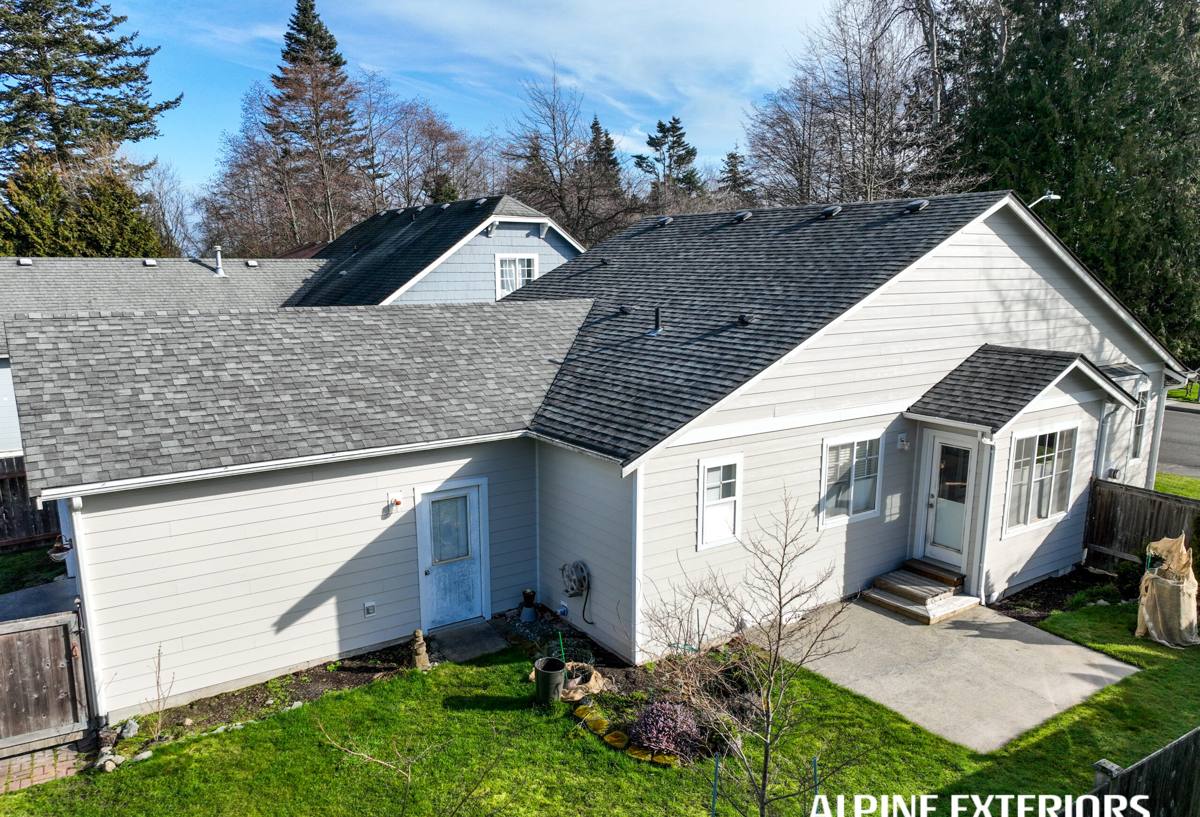
Why Local Roofs Take This Kind of Punishment
Pinellas County roofs deal with a combination of stressors that inland roofs simply don't see as often:
Hurricane-Force and Straight-Line Winds
Wind is the number one cause of storm-related roof damage in this area. It doesn't have to be a named hurricane — a strong summer squall line can generate gusts that lift shingle edges, peel back ridge caps, or work flashing loose. Once wind gets under one section, it can spread the damage outward if it isn't addressed.
Wind-Driven Rain
Florida rain rarely falls straight down during a storm. Wind pushes it sideways and up under laps, flashing, and any spot where the roof covering has already been compromised. This is why a roof can look fine from the ground after a storm but still be actively leaking into the attic.
Intense, Year-Round UV
Between storms, the sun is doing its own slow damage. Constant UV exposure dries out shingle granules and roofing cement, and it makes underlayment and flashing sealants more brittle over time. A roof that's already sun-stressed is far more vulnerable when a storm hits — materials that have lost flexibility crack and fail instead of flexing with the wind.
Salt Air
Even away from the immediate coastline, salt-laden air moves inland across Pinellas County and accelerates corrosion on exposed metal — flashing, fasteners, vent stacks, and drip edge. Corroded metal fails at the seams, which is exactly where storm water finds its way in.
Put those four factors together and you get roofs that are already working harder than roofs in most other parts of the country, even before a storm event adds sudden, concentrated stress.
Signs Your Roof Took Storm Damage
Some storm damage is obvious. A lot of it isn't. Walk the exterior of your home after any significant wind or rain event and look for:
- Missing, cracked, or curled shingles, especially near ridges, edges, and valleys
- Granules collecting in gutters or at downspout outlets
- Lifted or visibly bent flashing around chimneys, skylights, and roof-to-wall transitions
- Dented or dislodged vent caps and pipe boots
- Soft spots, sagging, or discoloration on interior ceilings, especially after rain
- A musty smell in the attic or top-floor closets
- Debris impact marks — dents or bruising on shingles from branches or wind-carried objects
- Gutters pulling away from the fascia or hanging unevenly
If you see any of these, the right move is a roof inspection before the next storm, not after the next leak.
What a Correct Storm Damage Repair Actually Involves
A Real Inspection, Not a Drive-By
A proper storm damage assessment means getting on the roof (or using a close visual and photographic inspection when conditions call for it) and checking every vulnerable point — not just the spot where the leak showed up inside. Wind damage in particular tends to start at edges, ridges, and penetrations, and it's common to find a second or third problem area once we're actually up there.
Matching Materials and Proper Tie-In
A storm repair isn't just patching the hole. It means removing damaged material back to sound decking, using underlayment and flashing that ties in correctly with what's already there, and matching shingle type, color, and profile as closely as possible so the repair doesn't stand out or create a weak seam. A repair that isn't properly integrated into the surrounding roofing can become the next failure point in the following storm.
Flashing and Sealant Done Right
A huge share of storm leaks come back to flashing — around chimneys, wall transitions, skylights, and vent penetrations. If the flashing itself is corroded or bent, replacing the shingles around it without addressing the flashing just means the same leak returns in the next heavy rain.
Permitting and Code Compliance
Depending on the scope of the repair, Pinellas County or the local jurisdiction may require a permit, particularly for larger sections of roofing. We handle that as part of the job rather than skipping it — an unpermitted repair can complicate a future insurance claim or a home sale.
Repair or Replace? What Actually Decides It
Not every storm-damaged roof needs a full replacement, and not every damaged roof should just be patched. The right call depends on a few concrete factors:
| Factor | Leans Toward Repair | Leans Toward Replacement |
|---|---|---|
| Extent of damage | Isolated to one section or a few areas | Widespread across multiple slopes |
| Roof age | Well within its expected service life | Already near the end of its lifespan |
| Underlying decking condition | Sound, no rot or soft spots | Water intrusion has damaged decking |
| Prior repair history | First significant repair | Multiple past repairs in different areas |
| Material availability | Matching shingles/tile still obtainable | Discontinued material, poor match likely |
We'll give you a straight answer on which category your roof falls into, along with the reasoning, so you're not guessing.
Our Process for Storm Damage Repairs
1. Assessment and Documentation
We inspect the full roof, not just the reported problem area, and document what we find with photos. This documentation is useful whether you're filing an insurance claim or just want a clear record of the roof's condition.
2. Straightforward Scope and Estimate
You get a clear explanation of what's damaged, what needs to be done, and why — before any work starts. No pressure to upsell a full replacement when a targeted repair is the honest answer, and no downplaying damage that genuinely needs more than a patch.
3. Temporary Protection When Needed
If a roof is actively leaking and full repairs can't happen immediately, we can put temporary protection in place to limit further interior damage while the repair is scheduled.
4. The Repair Itself
Damaged material comes off down to sound substrate, underlayment and flashing are replaced where needed, and new material is tied in and matched as closely as possible to the existing roof.
5. Final Walkthrough
We review the completed work with you, confirm the area is watertight, and make sure you understand what was done and why.
Working With Insurance Claims
Many storm damage repairs in this area go through a homeowner's insurance claim. We're not a public adjuster and we don't represent your insurance company or negotiate your claim for you, but we can provide the kind of clear documentation — photos, a written scope of damage, and an itemized estimate — that supports a claim being handled fairly. If your policy requires an adjuster inspection, we're glad to be on site for that so the scope of actual roofing damage is accurately represented.
Why It Matters That We Already Work in Pinellas Park
A crew that's already doing roofing work around Pinellas Park and greater Largo has a real advantage after a storm: familiarity with the permitting process for this specific jurisdiction, an understanding of how local roof types and ages tend to hold up, and the ability to respond quickly when a whole neighborhood is dealing with damage at once. After a widespread storm event, response time and local availability matter — a crew with no presence in the area is going to be slower to reach you and slower to source the right materials for local roof styles.
We also see enough roofs in this specific area to recognize patterns — which flashing details tend to fail first on local homes, which roof ages are showing their limits, and which repairs are quick fixes versus early warning signs of something larger.
Protecting Your Roof Between Storms
Storm damage repair is only half the equation. A roof that's properly maintained between storms holds up better when the next one arrives. A few habits go a long way in this climate:
- Have the roof inspected after any major wind event, even if you don't see obvious damage from the ground
- Keep gutters and downspouts clear so wind-driven rain has somewhere to go
- Trim back tree limbs that could strike the roof in high wind
- Address small flashing or sealant issues before they become active leaks
- Keep a record of past repairs and roof age for insurance and resale purposes
If your Pinellas Park area home has recent storm damage, or you just want a professional set of eyes on the roof before the next system comes through, we're happy to take a look. Reach out for a free, no-pressure estimate using the form below.