 Largo Window
 Board & Batten Siding for Redington Beach Homes
Redington Beach sits about as close to the Gulf as a Pinellas County home can get, and that location shapes every siding decision a homeowner here makes. Board and batten is one of the most popular looks for beach-area homes right now — the vertical lines read as clean, coastal, and a little more modern than lap siding — but the look only holds up if the material underneath it is built for salt air, driving rain, and the kind of sun this stretch of coastline gets nearly every day of the year. We're a Largo-based crew that works this immediate area regularly, and this page covers what board and batten siding actually needs to survive in Redington Beach, not just how it looks in a photo.
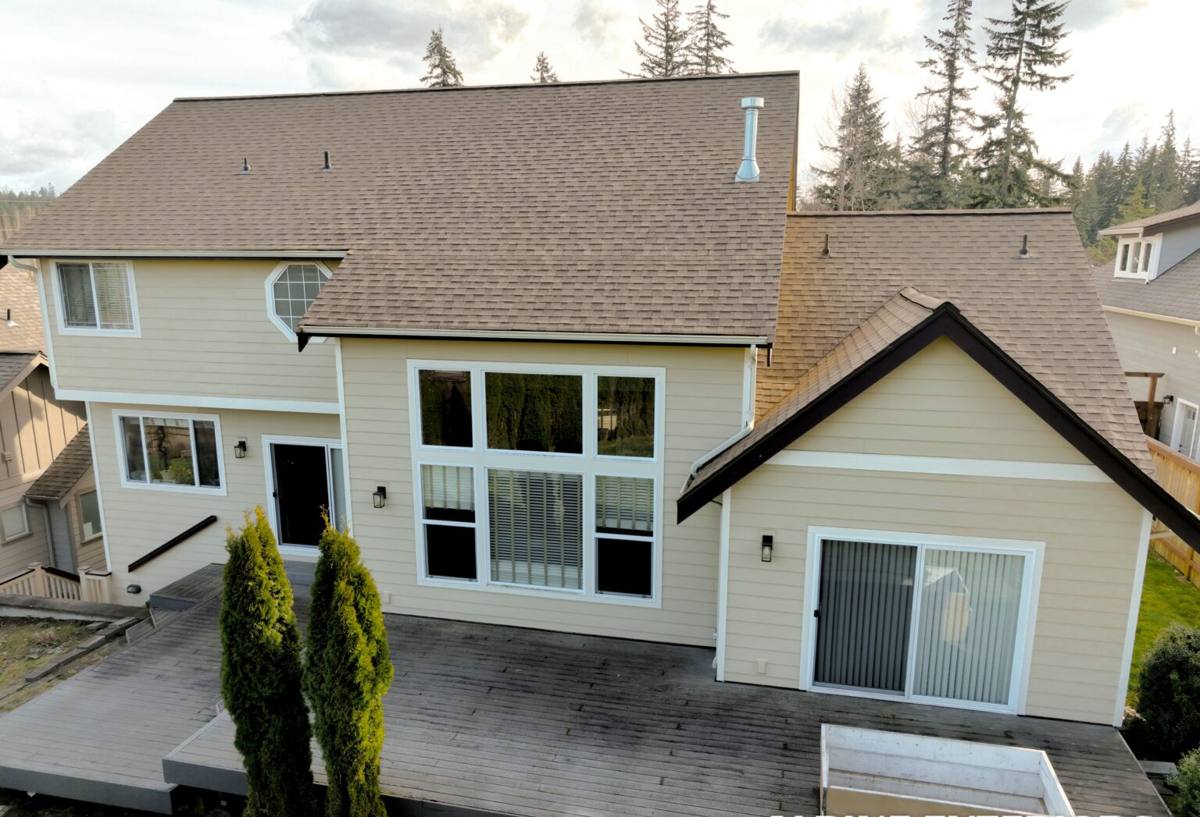
Why This Stretch of Coastline Is Different
Every barrier-island and near-beach community in Pinellas County deals with a harder version of Florida's weather, and Redington Beach is no exception. A few things stack up here that inland Largo neighborhoods don't deal with nearly as much:
- Salt-laden air — moisture off the Gulf carries salt that settles on exterior surfaces, accelerates corrosion of fasteners and trim, and breaks down materials that aren't rated for it.
- Wind-driven rain — storms here don't just drop rain, they drive it sideways into vertical siding joints and seams under pressure.
- Hurricane-force wind exposure — being this close to open water means higher sustained wind loads and more frequent named-storm impact than sites further inland.
- Intense, near-constant UV — reflected sun off the water adds to direct exposure, which is hard on paint, caulk, and any material that isn't factory-finished to hold color.
None of this means board and batten is a bad choice for Redington Beach — it means the material and the installation details matter more here than they would three miles inland.
What Board & Batten Style Actually Means
Board and batten is a pattern, not a product: wide flat panels or boards installed vertically, with narrower battens covering the seams between them. It's traditionally a farmhouse look, but it's become a favorite for Gulf-front and near-beach homes because the vertical lines pair well with coastal color palettes and simple rooflines. The pattern can be run full-height, mixed with a horizontal lap lower section, or used as an accent on gables and dormers. The style is flexible — the material behind it is what determines how it performs.
What a Correct Board & Batten Job Requires Here
A board and batten installation that's going to hold up on a Redington Beach home needs to get several things right at once. Skipping any one of them is usually where problems start.
Water Management Behind the Boards
Vertical siding creates more seams than horizontal lap siding, and every batten line is a potential path for wind-driven rain to find its way behind the cladding. Correct installation means a proper weather-resistive barrier, flashing at every horizontal transition, and a rainscreen or drainage gap where the design calls for it, so any moisture that does get past the surface has somewhere to go besides your sheathing.
Fastener and Hardware Corrosion Resistance
Salt air is hard on ordinary fasteners. Nails, screws, and any exposed hardware need to be corrosion-resistant — stainless or hot-dip galvanized, per manufacturer spec — or you end up with rust streaks bleeding through the finish and weakening fastener holds within a few years, long before the siding itself would otherwise need attention.
Wind Load and Fastening Schedule
How close together the fasteners are placed, and how the panels are attached at corners and edges, is engineered based on wind zone. A home this close to open water needs a fastening pattern that matches its actual exposure, not a generic schedule pulled from an inland install. This is a place where cutting corners doesn't show up as a problem until the first serious storm.
Finish That Can Take the UV
Field-applied paint on any siding material is going to chalk, fade, and need recoating faster under this level of sun exposure — often inside 5 to 7 years on a south- or west-facing wall. A factory-applied finish engineered to resist UV breakdown holds color dramatically longer and doesn't depend on a repaint schedule to keep looking right.
Why We Only Install James Hardie for This Application
We standardized on James Hardie fiber cement across every job we do, and board and batten in a location like Redington Beach is exactly the kind of application that shows why. Hardie's HZ5 product line is engineered specifically for high-humidity, high-moisture coastal climates like ours, and the ColorPlus factory finish is baked on and warranted against fading and peeling — which matters enormously on a material that's going to sit in direct Gulf-reflected sun for years. Fiber cement is also non-combustible, and it doesn't swell, rot, or feed insects the way wood-based board and batten products can once moisture gets behind them, which is a real risk on any home this close to salt water and wind-driven rain.
We don't install vinyl, LP SmartSide, primed wood, or cedar board and batten, and we won't pretend those aren't reasonable products in the right setting. But for a Redington Beach home taking direct hits from salt air, sun, and hurricane-season wind, we've made fiber cement our standard because it's the material we're confident stands up to this specific environment without asking the homeowner to gamble on it.
| Factor | What Matters Here | Why It Matters in Redington Beach |
|---|---|---|
| Substrate material | Fiber cement vs. wood-based or vinyl options | Fiber cement resists moisture, salt, and heat without swelling or degrading |
| Finish | Factory-applied vs. field-painted | Factory finish holds color far longer under intense, near-constant UV |
| Fasteners | Corrosion-resistant vs. standard | Salt air corrodes standard hardware faster than almost anywhere else in the county |
| Water barrier detail | Rainscreen/flashing vs. basic wrap | Wind-driven rain finds gaps in vertical seams under storm pressure |
| Fastening schedule | Wind-zone engineered vs. generic | Near-Gulf exposure means higher sustained wind loads than inland Largo |
How Our Process Works
We keep the process straightforward because homeowners in this area have usually already dealt with enough storm-related repair headaches without a confusing siding job on top of it.
- On-site assessment. We look at your existing siding or sheathing, note any moisture or storm damage already present, and check exposure direction relative to the water.
- Design and product selection. We talk through board width, batten spacing, and color within the James Hardie board and batten and vertical siding options that fit the look you want.
- Prep and water management. We address the weather-resistive barrier, flashing, and drainage details before a single board goes up — this is the step that determines how the job performs, not how it looks.
- Installation to manufacturer and wind-zone spec. Fastening schedule, clearances, and corrosion-resistant hardware are set for this specific location, not a generic inland standard.
- Final walkthrough. We go over the finished work with you and cover care and maintenance specific to a near-beach install.
Why a Local Crew Matters for This Job
Board and batten siding installed correctly on a Gulf-adjacent home isn't the same job as the same siding installed a few miles inland, and a crew that hasn't worked this specific kind of exposure regularly can miss details that don't show up as problems until the next big storm. We're based in Largo and work Redington Beach and the surrounding beach communities routinely, so the water management, fastening, and hardware decisions we make aren't guesswork — they're based on what this coastline actually does to a home year over year. That also means we're not learning Pinellas County wind and moisture requirements on your project.
What to Look For in Any Contractor for This Work
- Experience specifically with near-beach or barrier-island installations, not just general siding work
- Willingness to explain their water management and flashing approach in plain terms
- Use of corrosion-resistant fasteners and hardware as standard practice, not an upcharge
- Manufacturer training or certification on the specific fiber cement product line being installed
- A clear, written scope — vague "siding replacement" quotes are where corners get cut
Signs Your Current Siding Needs Attention
If you're on the fence about whether now is the time, a few warning signs are worth taking seriously in a coastal setting like this: soft or spongy spots when you press on the siding, visible rust streaking near fasteners, paint that's chalking heavily or peeling in sheets, gaps opening up at seams or corners, or any sign of moisture staining on interior walls that share an exterior wall with affected siding. Any of these can point to water already getting behind the cladding, and in a high-moisture coastal environment that damage tends to move faster than homeowners expect.
Get a Free, No-Pressure Estimate
If you're thinking about board and batten siding for a Redington Beach home, or you want a second opinion on what's already on the house, we're happy to take a look and walk you through what we'd recommend and why. There's no pressure and no obligation — just a straight assessment from a crew that works this exact stretch of coastline. Use the form below to request a free estimate.