 Largo Window
 Redington Beach Siding Takes a Different Kind of Beating
A home a few blocks from the Gulf lives a harder life than a home twenty miles inland, even in the same county. Redington Beach sits right on the barrier island strip of Pinellas County, which means the exterior of every house here is dealing with salt-laden air almost every day of the year, on top of the intense, near-constant Florida sun and the seasonal threat of hurricane-force wind and wind-driven rain. None of those forces are occasional here — they're the baseline. Siding that would hold up fine in a landlocked subdivision can fail years early on a barrier island lot, and the failure is rarely dramatic. It shows up as chalking paint, soft trim, hairline cracks that let water behind the wall, and fasteners that bleed rust long before the siding itself looks "old."
That's the lens we use on every Redington Beach siding job: not "what looks good going up" but "what survives this specific coastline for the next 30 years." That's also why we install one product system.
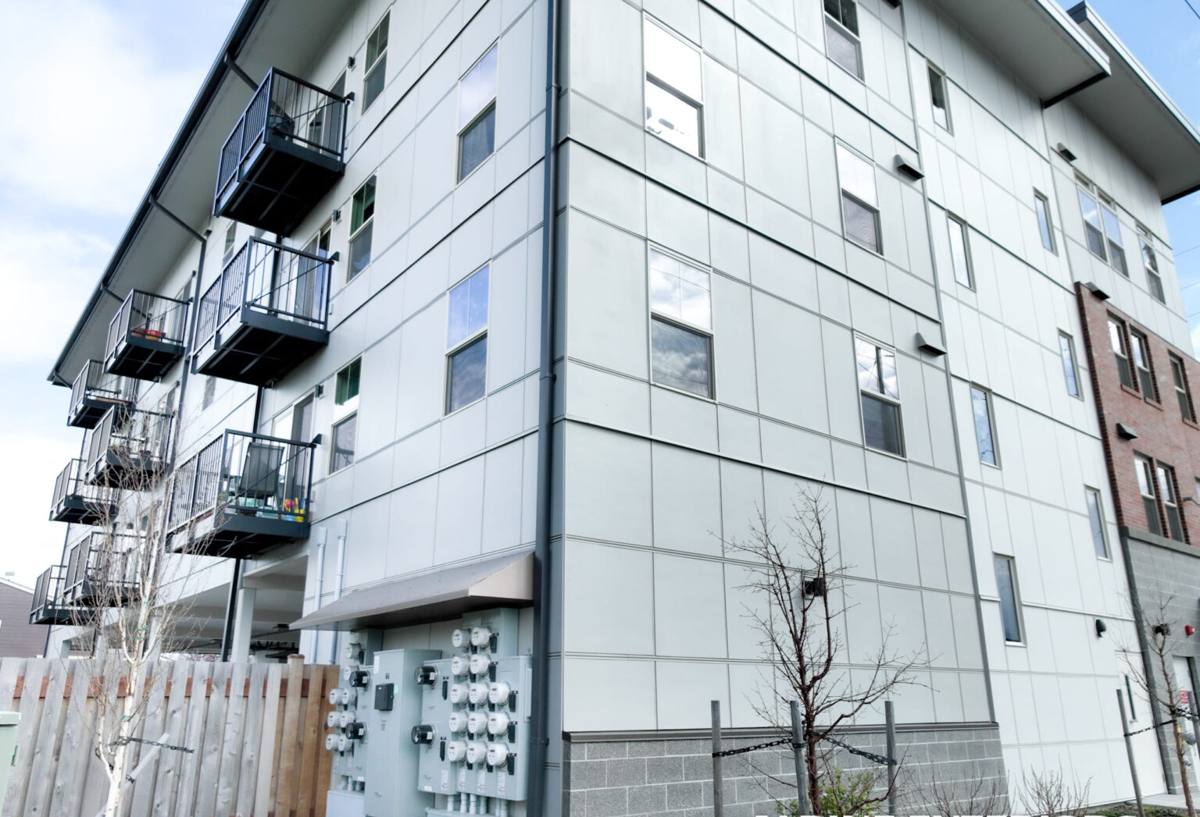
Why We Install James Hardie and Nothing Else
We don't install vinyl, LP SmartSide, Cemplank, Allura, or unfinished cedar or spruce siding. That's not a marketing line — it's a standard we set for our own crews because of what we've seen happen to those products in exactly this climate. Vinyl softens, warps, and fades faster under intense UV and heat. Wood and wood-composite products need paint film and joint sealant to stay watertight, and both break down faster in salt air and driving rain. Every one of those products can be installed correctly and last a while — we're not saying otherwise. We're saying that for a coastal Pinellas County home, the margin for error is thinner, and we'd rather standardize on one system we can back with confidence than install several and hope each one holds up.
James Hardie fiber cement is non-combustible, dimensionally stable in heat and humidity, and comes with a factory-applied ColorPlus finish instead of relying on field paint to do all the work of keeping water out.
Built for This Specific Climate Zone
James Hardie engineers its siding differently depending on the climate it's shipped to. Homes in Florida's humid, high-UV, coastal environment get the HZ5 formulation, which is built around resistance to moisture, humidity swings, and sun exposure rather than the freeze-thaw cycles that matter in northern states. That distinction matters on a barrier island: the siding on a Redington Beach home isn't fighting frost, it's fighting salt, sun, and sideways rain, and the product needs to be engineered for that specific fight.
What a Correct Installation Actually Involves
The siding itself is only part of the job. Most siding failures we get called out to inspect — on any brand — trace back to something that went wrong before or during installation, not a defect in the board.
Flashing and Water Management Before a Single Plank Goes Up
Windows, doors, and any wall penetration need proper flashing and a correctly lapped weather-resistant barrier underneath the siding. On a home exposed to wind-driven rain off the Gulf, water doesn't just fall straight down — it gets pushed sideways and upward under pressure. If the flashing details aren't right, siding can look perfect for a year or two while water is already working its way into the wall assembly behind it.
Fastening Pattern for Coastal Wind Exposure
James Hardie publishes specific fastener types, spacing, and embedment requirements, and those requirements get more conservative in high-wind coastal zones. Using the wrong nail, the wrong spacing, or fastening into the wrong substrate is a common shortcut that doesn't show up as a problem until the first serious storm puts uplift and lateral pressure on the wall.
Factory Finish vs. Field-Painted Edges
ColorPlus finish is baked on at the factory and holds color and film integrity far longer than a field-applied coat. But cut edges exposed during installation still need to be properly primed and sealed with Hardie-approved products — skipping that step is one of the most common ways an otherwise correct install starts absorbing moisture at the seams within a few years.
James Hardie Product Lines That Make Sense Here
Not every Hardie product is the right fit for every part of a coastal home. We help homeowners choose based on exposure, look, and how the wall assembly is built, not just preference.
| Product | Typical Use | Why It Fits Redington Beach |
|---|---|---|
| HardiePlank lap siding | Most exterior walls | Classic horizontal lap look, widest color and texture selection, proven long-term performance in coastal exposure |
| HardiePanel vertical siding | Accent walls, gable ends, modern facades | Fewer horizontal seams for water to work into on high-exposure wall sections |
| HardieShingle siding | Accent areas, coastal-style architecture | Traditional shingle look without the maintenance burden of real wood shingles in salt air |
| HardieTrim boards | Corners, fascia, window and door trim | Matches the siding's moisture resistance so trim doesn't become the weak point |
What You're Actually Paying For
Homeowners comparing bids on a siding job are often comparing very different things underneath a similar-looking number. The material itself is only one line item; installation quality and long-term maintenance cost matter just as much on this coastline.
| Factor | Vinyl Siding | Wood / Engineered Wood | James Hardie Fiber Cement |
|---|---|---|---|
| Salt air / humidity resistance | Moderate; can warp or fade faster in heat | Needs consistent paint and sealant maintenance to resist moisture | Engineered for humid, coastal climates (HZ5) |
| UV / fade resistance | Fades and chalks over time | Paint fades and needs recoating | ColorPlus factory finish holds color significantly longer |
| Fire resistance | Combustible | Combustible | Non-combustible |
| Wind / impact performance | Can crack or blow off in high wind if installed loosely | Varies by product and installation | Rated for high-wind installation when installed to Hardie's specifications |
| Repainting needs | Not typically painted | Every few years | Factory finish reduces repainting frequency; still paintable if desired |
Our Process, Start to Finish
- On-site inspection of the existing walls, sheathing, and any trouble spots before we quote anything
- Material takeoff and product selection based on wall exposure and the look you want
- Permitting and confirmation the install meets the wind-load and fastening requirements for your specific location
- Removal of old siding with an inspection of the sheathing and framing underneath for hidden moisture damage
- Installation of house wrap, flashing, and James Hardie siding to manufacturer specification
- Trim, caulking, and touch-up using Hardie-approved materials at every cut edge and joint
- Final walkthrough so you know exactly what was installed and how to maintain it
We don't skip step four. Old siding is often the only thing hiding a slow leak or soft sheathing, and covering that up with new siding instead of fixing it just delays a much bigger repair.
Signs Your Redington Beach Siding Needs Attention Now
Coastal exposure tends to show damage in specific, recognizable ways before a full failure. Worth checking for:
- Cracking, buckling, or visible gaps at seams and corners
- Soft or spongy spots when you press on the siding, especially near the bottom courses
- Chalky, faded, or peeling paint that no longer sheds water cleanly
- Rust streaks running down from fastener heads
- Gaps or separation around window and door trim
- A musty smell or visible staining on interior walls that share an exterior wall with the affected siding
Any one of these on its own might just mean a repair. Several at once, especially after a rough storm season, usually means it's time to talk about replacement before the underlying structure is affected.
Why Local Experience Matters More Than a Low Bid
Siding contractors who mostly work inland don't run into the same problems every day that a barrier island job throws at them — salt-air corrosion on fasteners, wind exposure on every wall instead of just the windward side, and moisture patterns that come from being close to open water on multiple sides of the home. A crew that regularly works Redington Beach and the surrounding Pinellas County coastline already knows which details get skipped on a rushed job and which ones actually hold up over a decade of Gulf weather. That experience shows up in the small decisions — flashing details, fastener choice, how trim gets sealed — long before it shows up in a sales pitch.
If your Redington Beach home needs new siding, or you just want a straight answer about whether James Hardie is the right call for your specific house, we're glad to come take a look. The estimate is free, there's no pressure, and you'll get a clear answer about what your home actually needs — use the form below to get started.