 Largo Window
 Roof Repair Built for a Barrier Island Climate
Redington Beach sits on a narrow strip of land between the Gulf of Mexico and the mainland, and that location changes what a roof has to survive. Homes here don't just deal with the same Florida sun as everywhere else in Pinellas County — they take it with almost no buffer, along with salt-laden air blowing straight off the water and wind loads that inland Largo roofs rarely see. A roof repair on a Redington Beach home has to account for all of that, not just patch what's failed.
This page is about roof repair specifically — not replacement, not gutters, not a general overview of roofing. If your roof is leaking, missing shingles or tiles, showing soft spots, or losing granules after a storm, this is what we look at, why it happens here, and how we fix it correctly.
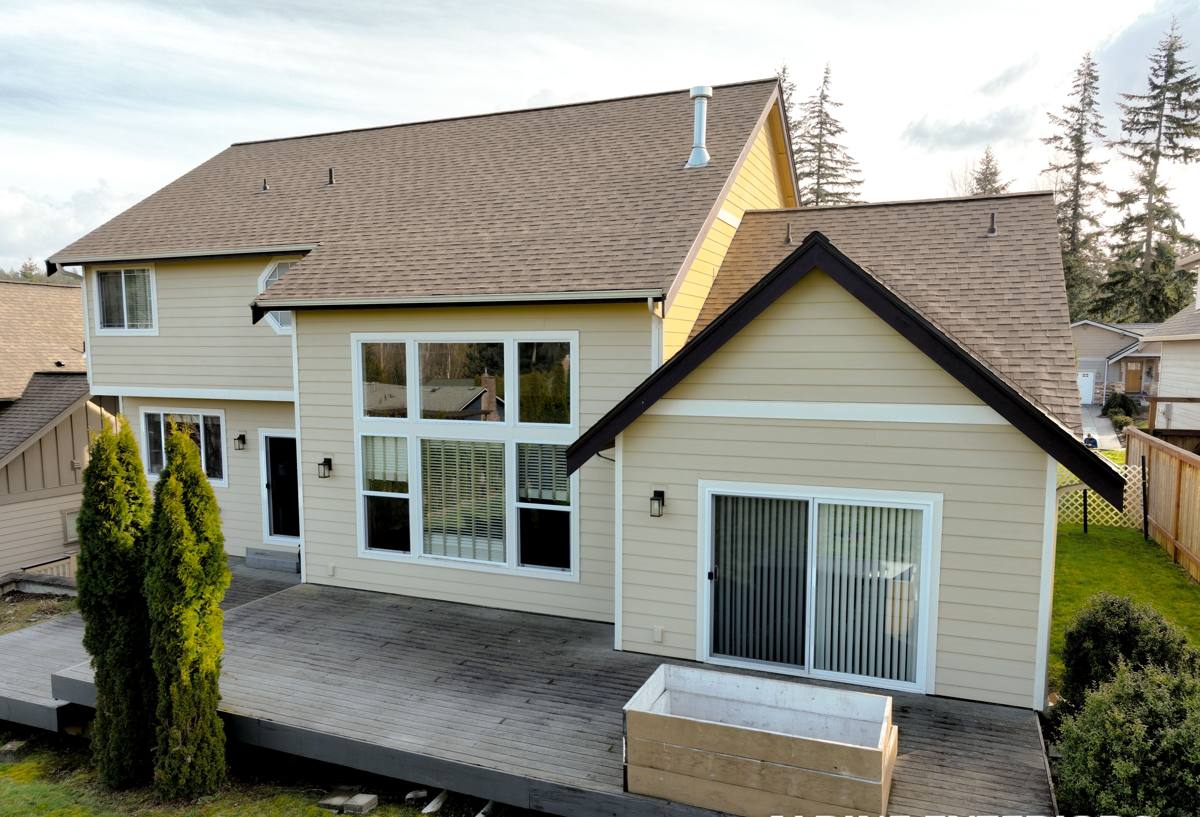
Signs a Redington Beach Roof Needs Repair
Most roof problems don't start as a hole in the ceiling. They start small and get worse with every wind event and every rainy season they go unaddressed. Homeowners near the Gulf should watch for:
- Water stains on interior ceilings or upper walls, especially after wind-driven rain
- Missing, cracked, curling, or lifted shingles, or tiles that have shifted out of alignment
- Granules collecting in gutters or at downspout outlets
- Rust streaking around vents, flashing, or fasteners
- Soft or spongy spots when walking the roof (a sign of trapped moisture in the decking)
- Visible daylight through the attic, or musty attic odor
- Cracked or displaced pipe boots and vent collars
Any one of these can usually be repaired if caught early. Left alone, they turn into deck rot, mold, and interior damage that costs far more than the original fix would have.
What's Really Damaging Roofs Near the Gulf
Roofing materials are rated for wind and weather, but "rated" and "immune" aren't the same thing. Four things drive most of the repair calls we see on Gulf-facing and barrier island homes:
Wind
Sustained coastal wind and hurricane-force gusts during tropical systems put constant uplift pressure on shingle tabs, tile edges, and ridge caps. Even wind that doesn't rise to hurricane strength will, over years, work fasteners loose and lift material at the edges and corners first — which is exactly where we find the most repair work.
Salt Air
Airborne salt corrodes exposed metal — nail heads, flashing, drip edge, vent stacks — faster near the water than a few miles inland. Corroded fasteners lose their grip, and corroded flashing stops sealing properly long before the roofing material itself is worn out.
UV Exposure
Year-round Florida sun breaks down asphalt shingle oils and can make underlayment brittle over time. A roof that looks fine from the ground can have UV-degraded material underneath that's no longer doing its job.
Wind-Driven Rain
Rain that falls straight down is rarely the problem. Rain pushed sideways by coastal wind finds every gap in flashing, every lifted shingle edge, and every under-sealed penetration. This is why leaks on beachside homes often show up at valleys, chimneys, skylights, and wall-to-roof transitions rather than in the open field of the roof.
What a Correct Roof Repair Actually Involves
Inspection Before Any Work Begins
We don't quote a repair from the ground or from a photo. A correct repair starts with getting on the roof (or using a camera where access is limited) to check the decking underneath, not just the surface material. A shingle that looks bad might sit on solid decking; a shingle that looks fine might sit on decking that's already soft.
Matching Materials and Fasteners
A patch that doesn't match the surrounding roofing in material, profile, and age creates a visible seam and, worse, a point where water can track underneath. We match shingle type, tile profile, or metal panel style as closely as possible, and we use fasteners rated for coastal exposure rather than whatever is cheapest.
Flashing and Underlayment Get the Same Attention as the Field
Most leaks near the Gulf trace back to flashing and underlayment, not the shingles or tiles themselves. A repair that replaces surface material but reuses old, corroded flashing or torn underlayment is a repair that fails again in the next storm season. We treat these as part of the job, not an afterthought.
Code-Compliant Work, Not Shortcuts
Roof work in Pinellas County is subject to Florida Building Code wind and moisture requirements, and permitted repairs need to meet them. Cutting corners here doesn't just risk a failed inspection — it risks the repair failing in the next big wind event, which defeats the point of doing it at all.
Our Roof Repair Process
1. Inspection and Written Estimate
We assess the damage, check the decking and flashing, and give you a clear, written scope before any work starts — what's being repaired, what materials will be used, and why.
2. The Repair Itself
We remove damaged material back to solid decking and sound surrounding roofing, address any deck repair needed, install matched materials with coastal-grade fasteners, and rebuild flashing and underlayment where it's compromised — not just where it's visibly broken.
3. Cleanup and Walkthrough
Job site debris, old materials, and stray fasteners are cleared from the roof, gutters, and yard. We walk the completed repair with you and explain what was done.
4. Follow-Up
If anything about the repair doesn't hold up as expected, we want to hear about it directly — not after it's turned into a bigger interior problem.
Repair or Replace? Cost Factors to Weigh
Not every roof problem needs a full replacement, but not every roof should be repaired forever either. These are the factors that actually matter when deciding which makes sense:
| Factor | Leans Toward Repair | Leans Toward Replacement |
|---|---|---|
| Roof age | Well within expected service life | At or past the end of its rated lifespan |
| Extent of damage | Localized — one section, valley, or penetration | Widespread across multiple slopes |
| Repair history | First or second repair in this area | Same area has needed repeated repairs |
| Decking condition | Solid, dry decking under the damaged material | Soft, rotted, or water-stained decking in multiple spots |
| Insurance / wind mitigation | Roof still qualifies for current wind mitigation credits | Replacement would improve insurance standing significantly |
We'll tell you honestly which side of this table your roof falls on. A repair that's clearly a stopgap isn't a service we want to sell you — it's not fair to you, and it's not work we want our name on.
Materials That Hold Up Near Salt Air
The materials used in a repair matter as much as the workmanship. Near the Gulf, we lean toward components built to resist corrosion and UV breakdown rather than the lowest-cost option:
| Component | Standard Choice | Coastal-Grade Choice |
|---|---|---|
| Fasteners | Electro-galvanized nails | Hot-dip galvanized or stainless steel |
| Flashing metal | Standard aluminum | Heavier-gauge aluminum or corrosion-resistant alloys |
| Underlayment | Standard felt | Synthetic or self-adhering underlayment with better wind and moisture resistance |
| Sealants | General-purpose roofing sealant | UV-stable, flexible sealant rated for sustained sun exposure |
The coastal-grade option usually costs modestly more up front. Given how much faster standard materials corrode this close to the water, it's the difference between a repair that lasts and one you're paying to redo in a few years.
Why Local Experience in Redington Beach Matters
A roofer who mostly works well inland isn't necessarily prepared for what a Gulf-facing roof throws at them. Working regularly on barrier island and beachside homes in Pinellas County means knowing which fastener and flashing choices actually hold up here, understanding how permitting and wind mitigation inspections apply to repair work in this area, and recognizing damage patterns specific to salt exposure and coastal wind before they become emergencies. It also means being realistic about scheduling around storm season, since that's when repair needs spike and access can get tight.
None of that replaces basic roofing skill, but it does mean fewer surprises and a repair that's built for the environment it's actually in, not a generic one.
Simple Maintenance That Extends a Repair's Life
A good repair lasts longer with a small amount of upkeep between service visits. We recommend Redington Beach homeowners:
- Have the roof visually inspected after any major wind event, not just once a year
- Keep gutters and downspouts clear so water isn't backing up under the roof edge
- Trim back overhanging branches that can abrade roofing material in wind
- Rinse accumulated salt residue off the roof surface periodically, especially on metal components
- Check attic ventilation isn't blocked, since trapped heat and moisture accelerate material breakdown
- Address small leaks or missing pieces promptly rather than waiting for the next storm
None of this replaces a professional inspection, but it reduces how often you need one urgently.
Get a Straight Answer About Your Roof
If you're dealing with a leak, storm damage, or a roof that just doesn't look right anymore, we're happy to take a look and give you an honest read on what it needs — repair or otherwise. Reach out for a free, no-pressure estimate using the form below.