 Largo Window
 Redington Beach is a narrow barrier island community wedged between the Gulf of Mexico and the Intracoastal Waterway, and that location puts a lot of stress on exterior walls in a small footprint. Homes here take on hurricane-force wind gusts, wind-driven rain that comes in sideways instead of straight down, near year-round UV, and constant salt air off the Gulf — often all four in the same week. When siding starts showing damage on a barrier island home like this, the fix isn't always a full re-side. Often it's a correctly diagnosed, correctly matched repair. This page walks through what actually goes wrong with siding in Redington Beach, how to tell a real repair job from a patch job, and what we do differently because we work this stretch of Pinellas County regularly.
Why Siding Repair Here Isn't the Same as an Inland Job
A siding repair on a home a few miles inland in Largo and a siding repair on a home in Redington Beach can involve the same crack or the same missing trim piece, but the cause and the fix behind it are often different. Being on the immediate Gulf side of Pinellas County means less buffer between the weather and the wall. Wind loads during a named storm or even a strong summer squall hit these homes at closer to full force. Salt-laden air moves through constantly, not just during storms, and it goes to work on fasteners, flashing, and any exposed metal the moment they're installed. UV exposure here runs close to the highest levels in the continental United States for most of the year, which shortens the working life of caulk, sealant, and unstabilized paint finishes. None of that means siding on a Redington Beach home is doomed to fail early — it means the repair has to account for why the damage happened in the first place, or the same spot fails again in a season or two.
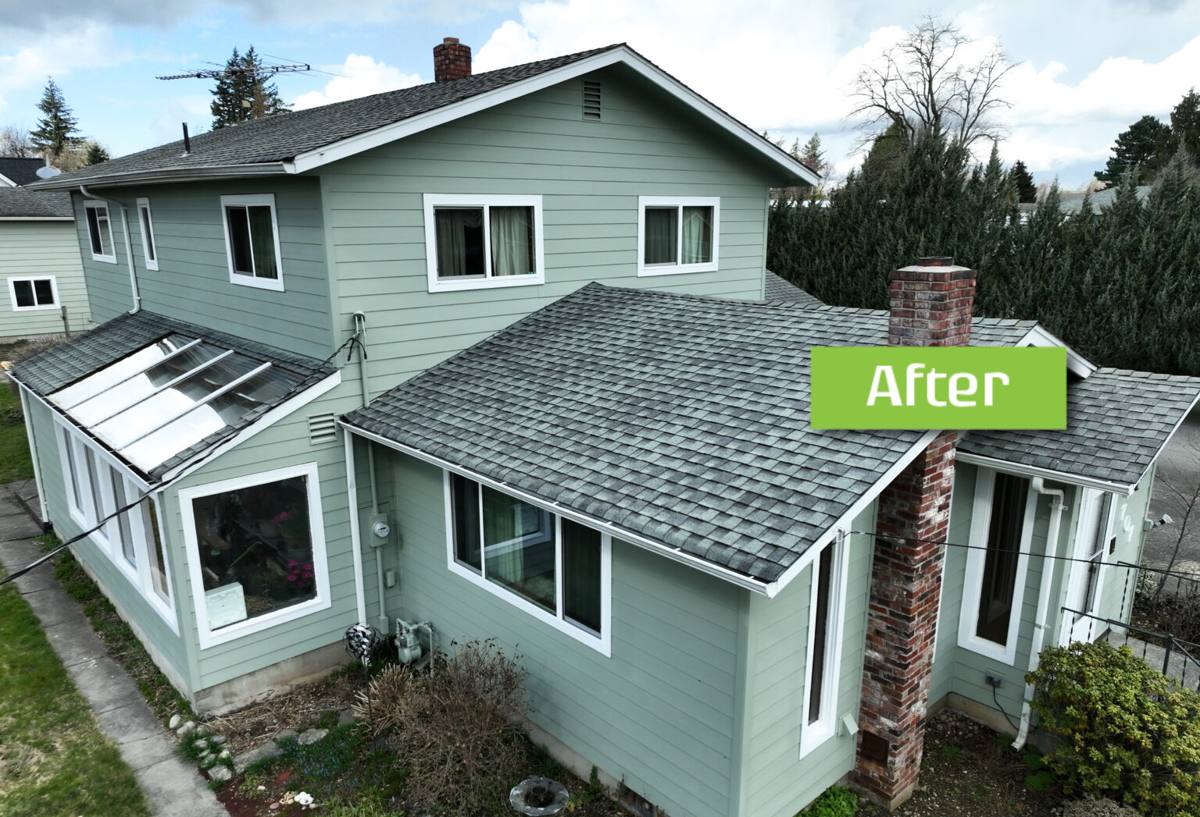
What Actually Damages Siding on a Barrier Island Home
Wind and Wind-Driven Debris
Hurricane-force gusts don't just push against siding — they drive rain and airborne debris into it at an angle, which stresses seams, corners, and butt joints in ways straight-down rain never does. A cracked panel, a popped corner piece, or a section pulled loose at a fastener line is often the direct result of a wind event, even one that didn't make the news as a named storm.
Water Behind the Panel, Not On It
The damage you can see is rarely the whole story. Wind-driven rain gets pushed behind laps and around trim and window openings, and if the flashing or water-resistive barrier underneath isn't doing its job, moisture sits against the sheathing long after the panel itself looks dry. On older homes, or on any home that's had prior repair work done without correcting the flashing underneath it, this is usually where a "small" repair turns into a bigger one once the siding comes off.
Sun-Broken Caulk and Sealant
Caulk and sealant joints are the first thing UV attacks. Once a joint goes brittle and cracks, it stops shedding water and starts collecting it, which is why a lot of siding repair calls in this area start as a sealant problem and get discovered as something bigger once someone actually opens up the joint.
Corroding Fasteners and Trim
Salt air corrodes standard fasteners and thin trim metal steadily, whether or not a storm ever comes through. A corroded fastener loses its grip on the panel, and the small gap it leaves behind becomes a new entry point for water — which is part of why the same spot on a wall can develop a repeat problem if the original repair used the wrong hardware.
Signs It's Time to Call for a Repair
Most siding problems give some warning before they become expensive. Homeowners in Redington Beach are usually best served by getting a look at any of the following sooner rather than later, since a small repair now is almost always cheaper than the damage that develops if it's left through another storm season:
- Cracked, chipped, or missing sections of siding, especially near corners or window and door trim
- Caulk or sealant joints that have gone brittle, cracked, or pulled away from the surface
- Streaking, staining, or a soft feel to the wall surface near the base of the siding or below windows
- Visible rust bleeding from fastener heads or corroded trim pieces
- Panels that have separated slightly from the wall or no longer sit flush at a seam
- A musty smell or soft drywall on the interior side of an exterior wall
- Faded or chalking paint that's isolated to one section rather than the whole elevation, which often points to a prior repair or patch that wasn't finished correctly
Repair or Replace? How We Make That Call
Not every damaged section needs a full re-side, and we don't push a bigger job than a home actually needs. The honest answer depends on a handful of factors we walk through on-site before recommending anything:
| Factor | What It Usually Means |
|---|---|
| Extent of damage | A handful of isolated spots on an otherwise sound wall usually points to a targeted repair rather than a full re-side |
| What's behind the panel | If the flashing and water-resistive barrier underneath are intact once opened up, a repair can be finished with confidence; if they're compromised, that gets addressed as part of the same repair |
| Siding material and age | Existing James Hardie siding in good general condition is usually a strong repair candidate; older or already-failing wood-based or vinyl siding is a different conversation |
| Color and profile match | Whether the existing product, color, and plank profile can still be matched affects whether a repair blends in or becomes a visible patch |
| Root cause | Storm impact damage is usually a straightforward panel and trim repair; recurring damage in the same spot points to an underlying flashing or drainage issue that needs fixing, not just re-patching |
What a Correct Repair Job Actually Involves
Diagnosis Before Anything Gets Touched
We start by figuring out why the damage happened, not just where it is. That means checking whether the problem is isolated to the visible panel or whether water has already reached the sheathing or framing behind it. Skipping this step is how a repair ends up covering a problem instead of fixing it.
Matching Material and Color
On homes already sided in James Hardie fiber cement, we work to match the existing product line, plank width, and ColorPlus finish as closely as possible so a repair doesn't stand out as an obvious patch. Hardie's factory-applied ColorPlus finish is formulated to hold its color far better under intense UV than field-applied paint, which is part of why matching it correctly on a repair matters more here than it would in a milder climate — a mismatched touch-up becomes visibly obvious faster under this much sun.
Removal and What's Underneath
Damaged sections come out carefully so we can inspect the sheathing, framing, and water-resistive barrier behind them. Any rot, corrosion, or gap in the barrier gets addressed at this stage, before new material goes back on — patching over a hidden problem just guarantees a return visit.
Flashing and Weatherproofing
Every repair gets flashed and sealed to shed water outward, not just caulked shut. Given how much of this area's siding damage traces back to wind-driven rain finding its way behind a panel, this step is where a repair either holds up through the next storm season or doesn't.
Fasteners and Finish
We use corrosion-resistant fasteners suited to a coastal, high-salt environment rather than defaulting to standard hardware, since that's usually what failed in the first place. The finished repair gets sealed and, where needed, finished to match the surrounding wall.
Repairing Siding That Isn't Hardie
We install James Hardie fiber cement exclusively, but plenty of Redington Beach homes have vinyl, LP SmartSide, or older wood siding already on them when we get the call for a repair. We'll still assess and, where it makes sense, repair those materials — a cracked vinyl panel or a small area of trim damage doesn't always require ripping out a whole wall. What we won't do is talk a homeowner into repeated patch repairs on a material that's structurally breaking down. Wood-based and engineered wood siding that's absorbing water at cut edges, or vinyl that's gone brittle and is cracking in multiple spots, tends to keep generating repair calls in this climate rather than stopping at one. When we see that pattern, we say so directly, and we'll walk through what a partial or full transition to Hardie fiber cement would look like and cost, without pressure either way. The decision is yours — our job is to give you an honest read on whether you're buying a real fix or a temporary one.
Our Process for a Redington Beach Repair
- On-site assessment — we inspect the damaged area, check what's happening behind the panel, and identify the root cause, not just the visible symptom
- Honest recommendation — targeted repair, larger section replacement, or a conversation about re-siding, with the reasoning explained plainly
- Material and color matching — sourcing the closest match in profile and finish for existing Hardie siding, or scoping the right approach for other materials
- Removal and structural check — damaged material comes out, sheathing and framing get inspected, and any hidden moisture or rot gets addressed
- Flashing and reinstallation — new material goes in with corrected flashing and corrosion-resistant fasteners, detailed for direct Gulf exposure
- Seal and finish — joints sealed, trim finished, and the repair checked against the surrounding wall for fit and appearance
Why a Crew That Already Works This Stretch of Coast Matters
A lot of siding repair goes wrong not because of the material, but because whoever did the work didn't account for where the house actually sits. A crew that mostly works inland jobs can miss how much closer to full-force a barrier island home's wind and salt exposure really is, or use standard fasteners because that's what's usually fine a few miles from the water. We work Redington Beach and the surrounding Largo area regularly, so we're not guessing at how a particular wall type or exposure tends to hold up here over time — that shows up in the fastener we choose, how we sequence the flashing, and whether a repair is still holding a few hurricane seasons later instead of showing up on the next service call.
Get a Straight Answer on What Your Siding Needs
If you've got storm damage, a cracked section, or a spot that just doesn't look right anymore, it's worth having someone take a real look before you decide between a repair and something bigger. We offer free, no-pressure estimates for siding repair in Redington Beach and the surrounding Largo area — use the form below to get a time on the schedule.