 Largo Window
 Siding Replacement Built for a Barrier Island Climate
Redington Beach sits on a narrow strip of land between the Intracoastal Waterway and the Gulf of Mexico, which means every home here takes a harder beating than a house a few miles inland in Largo or Clearwater. Salt-laden air moves through the neighborhood constantly, sun exposure is nearly year-round and close to direct overhead, and wind-driven rain during summer storms and hurricane season doesn't just fall on siding — it gets pushed sideways into every seam, joint, and fastener hole. Siding that would hold up fine in a landlocked subdivision can fail early out here if it wasn't built, or installed, for coastal conditions.
This page is specifically about siding replacement for Redington Beach properties. We're a Largo-based crew that already works this stretch of Pinellas County, and this is what we look at, what we install, and how we run the job when a home on or near the beach needs new siding.
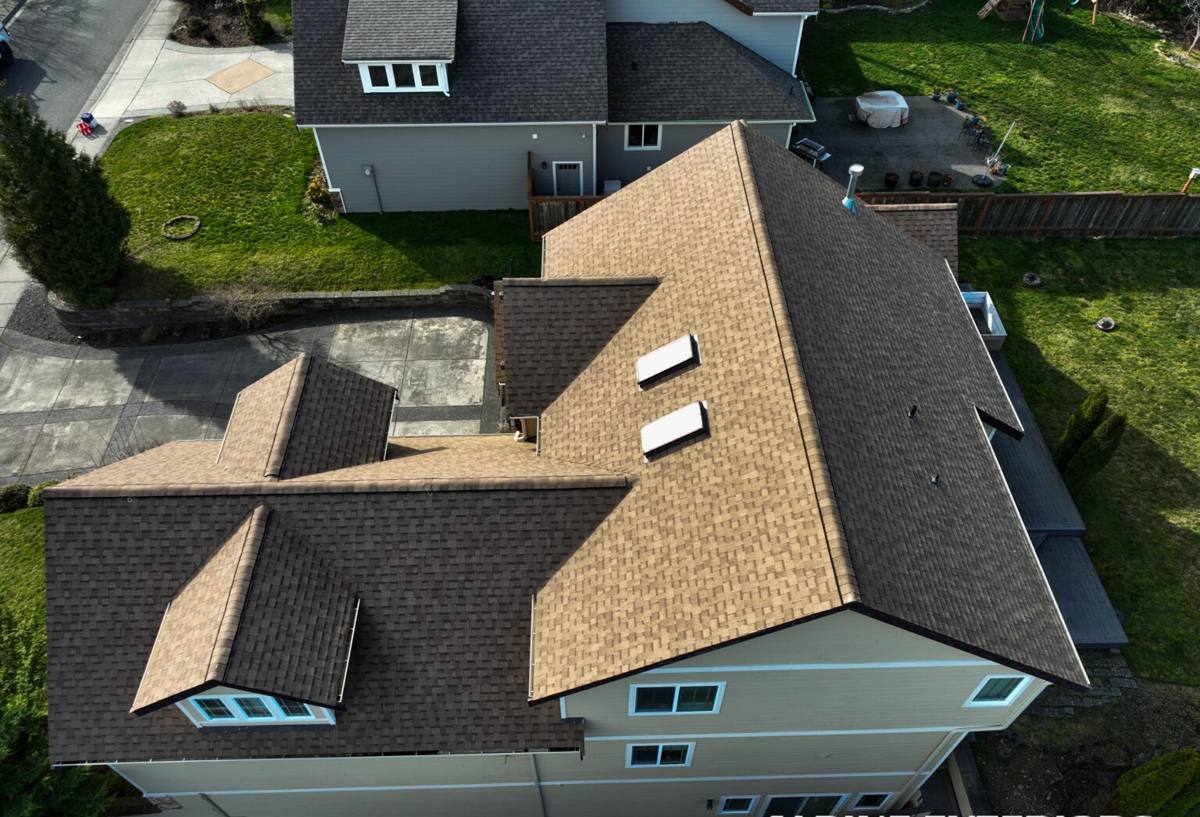
What Salt Air, UV, and Wind Do to Siding Over Time
Every siding material reacts differently to a coastal environment, but the stresses are the same for all of them:
Salt Air and Corrosion
Airborne salt settles on every exterior surface, including siding, trim, and the fasteners holding it on. Over years, that salt film accelerates corrosion in metal fasteners and flashing, and it can degrade certain coatings and caulks faster than the manufacturer's inland test data would suggest. Siding systems that aren't engineered with corrosion-resistant fasteners and moisture management in mind tend to show their age first in a beach community.
UV Exposure
Redington Beach gets strong, consistent sun for most of the year, with very little tree canopy to soften it on most lots. UV breaks down pigments and surface coatings over time, which is why chalking, fading, and uneven color are common complaints on siding that wasn't factory-finished for UV resistance.
Wind-Driven Rain
Storms here rarely deliver rain straight down. Wind pushes it sideways and upward into laps, corners, and penetrations. If the water-resistive barrier, flashing, and lap details behind the siding aren't done correctly, wind-driven rain finds its way behind the cladding — and that's when you start seeing hidden rot, staining, or mold at wall penetrations long before the siding itself looks bad from the street.
Hurricane-Force Wind Loads
Pinellas County's building code reflects its hurricane exposure, and Redington Beach, being right on the water, sits in some of the higher wind-load zones in the county. Fastening schedule, nail penetration, and how siding is attached at corners and openings all matter more here than they would on a similar home twenty miles inland.
Signs a Redington Beach Home Needs Siding Replacement, Not Just Repair
- Soft or spongy spots when you press on the siding, especially near the bottom courses or under windows
- Visible cracking, buckling, or warping across multiple panels or planks, not just one damaged spot
- Paint that won't hold — you repaint and it fails again within a year or two
- Staining or dark streaks at seams, corners, or trim joints that keep coming back after cleaning
- Siding that flexes or feels loose when pushed, suggesting failed fasteners or rotted sheathing behind it
- Visible daylight or gaps at panel joints, corner boards, or where siding meets windows and doors
- A musty smell inside near exterior walls, which can point to moisture intrusion behind the cladding
- Siding that's simply reached the end of its practical service life and is due for scheduled replacement before a failure forces the issue
A single damaged board near a downspout or AC line might just need a repair. Widespread issues across multiple elevations, or damage tied to moisture behind the siding rather than on top of it, usually means it's time to replace rather than patch.
What a Correct Siding Replacement Actually Involves
Siding replacement is not simply removing old boards and nailing up new ones. On a coastal property, what happens underneath the visible siding matters as much as the finished product. A correct job includes:
Full Tear-Off and Substrate Inspection
We remove the existing siding down to the sheathing and inspect the wall for hidden rot, soft spots, or prior water damage. This is often the first time a homeowner sees the actual condition of their wall assembly, and it's the step that gets skipped by anyone doing a quick overlay instead of a real replacement.
Repair of Damaged Sheathing and Framing
Any compromised sheathing or framing gets replaced before new siding goes on. Installing new siding over damaged substrate just hides the problem and guarantees a shorter lifespan for the new material.
A Proper Water-Resistive Barrier
A correctly lapped and sealed weather barrier goes on before the siding, along with flashing at every window, door, and penetration. This is the layer that actually keeps wind-driven rain out of the wall assembly — the siding itself is the first line of defense, not the only one.
Fastening to Coastal Wind Standards
Fastener type, spacing, and penetration depth are set to the wind exposure for this location, not a generic inland schedule. Corners, edges, and openings get the additional attention they need in a high-wind zone.
Trim, Flashing, and Sealant Details
The small details — corner boards, J-channel, kick-out flashing above roof lines, and sealant at joints — are where most long-term failures start if they're rushed. We treat these as part of the job, not an afterthought.
Why We Install Only James Hardie Fiber Cement
We don't install vinyl siding, LP SmartSide, or unfinished wood products, and we're upfront about why. Each of those has legitimate uses in the right climate, but none of them holds up as well as fiber cement in a salt-air, high-UV, hurricane-exposed environment like Redington Beach.
Vinyl can warp or become brittle under sustained heat and UV, and it isn't the material we'd choose for a home taking direct, near-year-round Florida sun. Engineered wood products like LP SmartSide use a wood-strand core that is more sensitive to sustained moisture exposure than fiber cement, which matters when wind-driven rain is a regular event rather than an occasional one. Unfinished wood siding requires an ongoing maintenance commitment — repainting, sealing, and monitoring — that most homeowners underestimate until they're several years in.
James Hardie fiber cement is non-combustible, dimensionally stable in heat and humidity, and available with a factory-applied ColorPlus finish that's baked on and warrantied against fading and cracking — rather than a field-applied paint job that starts degrading the moment it's exposed to Florida sun. That combination is why it's the only siding system we put on homes, whether we're working in Redington Beach, elsewhere in Pinellas County, or further inland around Largo.
Coastal Siding Materials Compared
| Factor | Vinyl Siding | Engineered Wood | James Hardie Fiber Cement |
|---|---|---|---|
| Salt air / corrosion resistance | Can become brittle over time | Moderate; coating dependent | Strong; cement-based, not corrosive |
| UV / fade resistance | Fades and chalks with age | Depends on maintained coating | Factory ColorPlus finish, warrantied against fading |
| Moisture / rot risk | Low rot risk, but can trap moisture behind it | Wood-strand core is moisture-sensitive | Cement composition resists moisture-driven rot |
| Wind performance | Lighter panels, more prone to wind damage | Moderate | Engineered and rated for high-wind installation |
| Ongoing maintenance | Low, but limited repair options once damaged | Regular inspection and recoating needed | Occasional washing; no repainting on the ColorPlus finish |
| Fire resistance | Combustible | Combustible | Non-combustible |
Choosing the Right Hardie Line for a Redington Beach Property
James Hardie makes several product lines, and the right one depends on the home's style and exposure:
- HardiePlank lap siding — the most common choice, available in several exposure widths and textures, works well on most Redington Beach home styles
- HardieShingle — for homes with a shingle-style accent look, without the maintenance burden of real wood shingles in a salt-air environment
- HardiePanel — vertical panel siding, often used for a more modern look or for accent sections
- HZ5 climate-engineered formulation — Hardie's product formulation designed for wetter, more humid climate zones, which is the specification appropriate for Gulf Coast Florida
- ColorPlus finish — factory-applied color with a warranty against fading and peeling, versus field-painted primed siding that will need repainting on a normal schedule
For a barrier island property, we default to the HZ5 formulation and ColorPlus finish combination — it's the specification built for exactly this kind of climate, not a generic national default.
What Drives the Cost of a Siding Replacement
Every home is different, and we won't quote a number without seeing the property, but these are the factors that actually move the price:
| Factor | Why It Affects Cost |
|---|---|
| Home size and elevation | More wall area and taller sections mean more material and labor, plus access equipment on multi-story homes |
| Condition of the existing substrate | Hidden rot or water damage found during tear-off requires repair before new siding goes on |
| Siding profile and product line | Lap width, shingle-style accents, and panel siding each have different material and labor requirements |
| Trim and detail work | Corner boards, window and door trim, and fascia detailing add labor beyond the flat wall area |
| Access and site conditions | Tight lots, landscaping, pools, and limited staging space near the water can affect labor time |
| Tear-off and disposal scope | Full removal of old siding and haul-away is part of a proper replacement, not an add-on |
We walk every property in person before quoting, because the substrate condition alone can change the scope significantly once we're behind the old siding.
Our Process, Start to Finish
- On-site assessment — we walk the exterior, check for soft spots and moisture issues, and talk through what you're seeing and what you want out of the replacement
- Written estimate — a clear scope of work and price, with the product line and finish specified
- Permitting — we handle the permit process required for exterior work in Pinellas County and Redington Beach
- Tear-off and substrate repair — full removal of old siding, inspection, and repair of anything found underneath
- Weather barrier and flashing installation — the moisture management layer that protects the wall assembly
- Siding installation — Hardie product installed to manufacturer specification and local wind-load fastening requirements
- Trim, sealant, and final detailing — the finish work that determines how the job ages
- Walkthrough — we go over the finished work with you before considering the job done
Why a Crew That Already Works Redington Beach Matters
Coastal exterior work isn't the same trade as inland siding work, even within the same county. A crew that regularly works Redington Beach and the surrounding barrier island communities already understands the wind exposure category for the area, has a working relationship with the permitting process, and has seen firsthand how different siding materials and installation details hold up — or don't — in this specific environment.
That local experience shows up in the details: how flashing is detailed around salt-exposed metal, how fastening is handled near open water exposure, and which trim and sealant products actually last out here versus what a general product spec sheet claims. We're based in Largo and treat Redington Beach as part of our regular service area, not an occasional job we drive out to.
Ready for a Straight Answer on Your Siding
If your Redington Beach home's siding is showing its age, or you're just planning ahead for a coastal-grade replacement, we'll walk the property, give you an honest assessment of what's actually needed, and put together a clear estimate — no pressure, no upsell into a product we don't believe in. Use the form below to request a free estimate.