 Largo Window
 Building New on a Barrier Island Changes the Window Conversation
Redington Shores sits on a narrow barrier island in Pinellas County, with the Gulf on one side and the Intracoastal Waterway on the other. If you're building new here — whether it's a full custom home, a knockdown-rebuild, or an elevated piling home replacing something older — the windows you choose and how they're installed are doing more structural work than they would almost anywhere else in the region. This isn't a page about swapping old windows in an existing house. It's about getting new-construction window openings right the first time, on a site where wind, salt, sun, and flood elevation all factor into the decision.
We install new-construction windows throughout the Largo area, and Redington Shores jobs come with their own rhythm: tighter lots, elevated construction, coastal setback awareness, and a building department that has seen enough barrier-island projects to know exactly what they're looking for on your permit set.
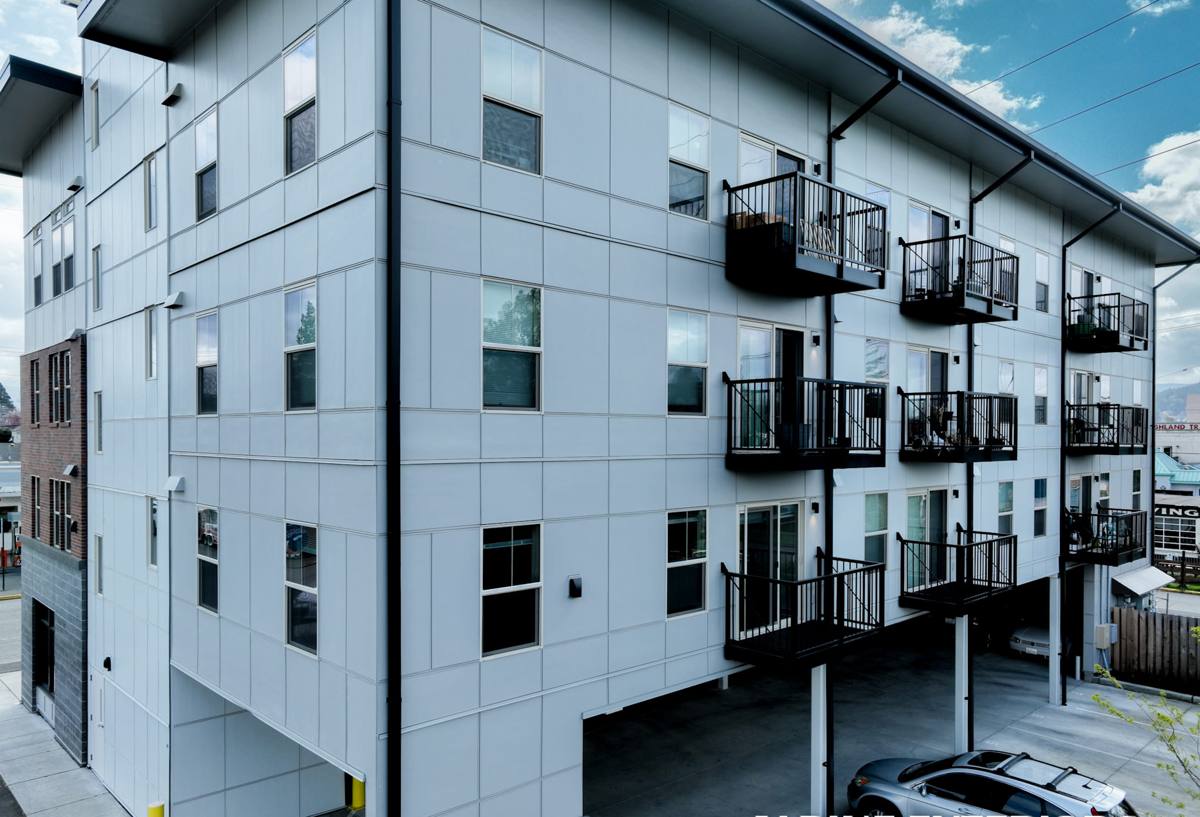
What Redington Shores' Climate Demands From New Windows
Every coastal Pinellas County community deals with the same basic forces, but a barrier island like Redington Shores gets them at full strength, with almost nothing between your home and open water to slow them down.
- Hurricane-force wind: Direct, unobstructed wind loading on the Gulf side, plus wind-driven rain that gets pushed sideways into any gap in a window assembly.
- Wind-borne debris: Pinellas County falls within Florida's wind-borne debris region under the Florida Building Code, which is the whole reason impact-rated glazing or code-compliant shutters exist as a requirement, not just an upgrade.
- Year-round UV: Intense sun exposure breaks down cheap seals, warps inferior vinyl, and fades interior finishes faster than inland construction ever experiences.
- Salt air corrosion: Airborne salt attacks hardware, fasteners, and untreated metal components. On a barrier island, that exposure is constant, not occasional.
New-construction windows have an advantage over a retrofit: you get to design the opening, the flashing, and the water management from scratch, instead of working around what's already there. That advantage only pays off if it's used correctly.
Florida Building Code and Local Approval Basics
New construction in Redington Shores goes through Pinellas County or city permitting, and every window in the job has to carry a valid Florida product approval or Miami-Dade Notice of Acceptance number rated for the wind load and wind-borne debris requirements of that specific site. A few things worth understanding before you're deep into a build:
Design Pressure Is Site-Specific
The required wind design pressure for your windows depends on your exact location, elevation, roof height, and exposure category — not a general "hurricane zone" number pulled from a brochure. A window rated for a design pressure that's fine three miles inland may not meet the requirement on a Gulf-facing barrier island lot.
Elevation and Flood Zone Interact With Window Placement
Many Redington Shores homes are built on pilings or elevated slabs because of FEMA flood zone requirements. That changes sill heights, egress window requirements on lower levels, and sometimes the wall assembly the window is fastened into. This needs to be coordinated with your builder and architect before windows are ordered, not after.
Inspections Check the Whole Assembly
Building inspectors on new construction aren't just checking that a window exists in the opening — they're checking fastening schedules, flashing, and that the installed product matches the approval documents on file. A mismatch between what's on the plans and what gets installed is one of the most common causes of a failed inspection on coastal builds.
Impact-Rated Glass vs. Impact Plus Shutters
On new construction, you have a real choice to make early: impact-rated glass throughout, or code-rated windows paired with separate shutter protection. Both can satisfy the wind-borne debris requirement. They live very differently day to day.
| Approach | What It Means Day-to-Day | Trade-Offs to Weigh |
|---|---|---|
| Impact-rated glass, no shutters | Windows stay protected at all times, no pre-storm prep needed on the glass itself | Higher upfront glass cost; heavier sash requires correctly sized frames and hardware |
| Code-rated windows plus accordion or roll shutters | Lower glass cost, storm protection is a manual or motorized step before a storm | Shutters need to be deployed and maintained; salt air accelerates wear on shutter tracks and hardware |
| Mixed approach by elevation | Impact glass on hard-to-reach or architecturally sensitive openings, shutters on ground-level or easily accessed windows | Requires careful planning at the design stage so it doesn't look inconsistent or create maintenance gaps |
There's no universally "correct" answer here — it depends on your budget, how the home is used (full-time residence versus seasonal), and how much manual storm prep you want to take on. What matters is that the decision gets made deliberately, during design, rather than defaulted into because nobody raised it.
What a Correct New-Construction Window Install Actually Involves
A window can carry the right approval number and still fail if it's installed poorly. On new construction, the opening itself is being built around the window, which means there's no excuse for cutting corners — everything is accessible.
Rough Opening and Flashing
The rough opening has to be sized and squared to the manufacturer's specification, with a sill pan and flashing sequence that sheds water outward, not into the wall cavity. On a barrier-island site with wind-driven rain, a flashing detail that's "close enough" inland is not close enough here.
Fastening Schedule
Impact-rated and high-design-pressure windows have specific fastener types, spacing, and embedment depth called out in their approval documents. This isn't a place to substitute a "similar" screw because it's what's on the truck.
Sealant and Backer Rod
Correct sealant application, with backer rod where required, closes the gap between the window frame and the rough opening without relying on the sealant alone to do structural work it was never designed for.
Corrosion-Resistant Hardware
On a job this close to salt water, we specify hardware and fasteners rated for coastal exposure. Standard hardware that's fine forty minutes inland will corrode and bind here well ahead of schedule.
Our Process for Redington Shores New-Construction Jobs
Because we already work this area, our process starts earlier than most homeowners expect — usually while the plans are still being finalized.
- Plan review: We look at your architectural drawings and window schedule to confirm design pressure ratings, egress requirements, and sill heights match the site conditions before anything is ordered.
- Product selection: We walk through frame material, glass package, and impact-versus-shutter decisions with you, in plain terms, based on how the home will actually be used.
- Coordination with your builder: Window rough openings need to be framed correctly the first time. We coordinate directly with your general contractor so the openings match the ordered units.
- Installation: Flashing, fastening, and sealant work is done to the manufacturer's and code's specification — not a generic standard borrowed from inland work.
- Inspection support: We make sure the documentation the inspector needs — product approvals, fastening schedules — is on hand and matches what's actually in the wall.
- Final walkthrough: Every opening gets checked for operation, seal, and finish before we call the job done.
Frame Materials and Glass Worth Considering
New construction gives you a genuinely open choice of frame material, which isn't always true on a retrofit constrained by an existing opening.
Vinyl frames have improved significantly for coastal use, with UV-stabilized formulations that resist the yellowing and warping that plagued older vinyl products. Aluminum frames handle high design pressures well and hold their shape under heat, though they need proper thermal breaks and corrosion-resistant coatings near salt water. Whichever material you choose, we steer clients away from bargain-tier frames on Gulf-facing openings — the maintenance burden and shortened service life end up costing more than the upfront savings, and the warranty coverage on cheaper lines is usually thinner where you need it most.
On glass, a laminated impact interlayer is what actually provides the debris resistance — tempered glass alone does not meet the wind-borne debris requirement. Low-E coatings cut down on solar heat gain, which matters a great deal given how much direct sun a barrier-island home takes on year-round, and they help protect interior furnishings and finishes from UV fading.
Checklist: What to Confirm Before Your Windows Go In
- Design pressure rating matches your specific site's wind exposure, not a generic regional number
- Product approval numbers on the ordered windows match what's listed on the permitted plans
- Sill heights and egress requirements account for elevated construction and flood zone
- Frame material and hardware are specified for coastal/salt-air exposure, not standard inland grade
- A clear decision has been made on impact glass vs. shutters vs. a mixed approach
- Rough opening dimensions from your builder match the ordered window sizes before installation day
- Flashing and sealant details are spelled out, not left to on-site improvisation
Why Hiring a Crew That Already Works Redington Shores Matters
New-construction window work on a barrier island touches more moving parts than most homeowners realize — permitting, flood zone construction requirements, wind design pressure calculations, and coordination with a builder who has their own schedule to keep. A crew that regularly works Redington Shores and the surrounding Pinellas County coastline already knows what local building departments expect to see on a permit set, understands how elevated and piling construction changes window placement, and has already worked through the impact-versus-shutter decision with enough homeowners to walk you through it honestly instead of upselling whatever's easiest to install.
That familiarity shows up in fewer surprises: fewer failed inspections from mismatched documentation, fewer change orders because a rough opening didn't match the ordered unit, and windows that are specified correctly for the site the first time instead of after a callback.
Let's Talk About Your Redington Shores Build
If you're planning new construction in Redington Shores, the earlier we're involved — ideally while your plans are still being finalized — the smoother the window portion of your build goes. We're happy to look at your window schedule and talk through your options with no pressure and no obligation. Use the form below to request a free estimate and we'll get back to you to talk through your project.