 Largo Window
 Windows on Treasure Island Face a Different Energy Problem
Treasure Island sits out on the Gulf side of Pinellas County, and homes there deal with a combination of stressors that inland properties simply don't see: constant sun exposure, salt-laden air coming straight off the water, wind-driven rain during storms, and the kind of sustained wind pressure that comes with living on a barrier island. Windows take the brunt of all of it, because a window is the weakest point in an otherwise solid wall — the seams, the glazing, the seals, and the frame are all places where sun, salt, and moisture can do damage that shows up as a higher power bill long before it shows up as a visible failure.
When people ask about "energy-efficient windows" for a Treasure Island property, they're usually picturing something built for a cold climate — thick frames, tight seals against heat loss. That's not wrong, but it's incomplete. In this part of Florida, the bigger energy problem most of the year is heat gain, not heat loss, and a window package that isn't built with that in mind can leave a home working harder and costing more to cool even after a "efficient" upgrade.
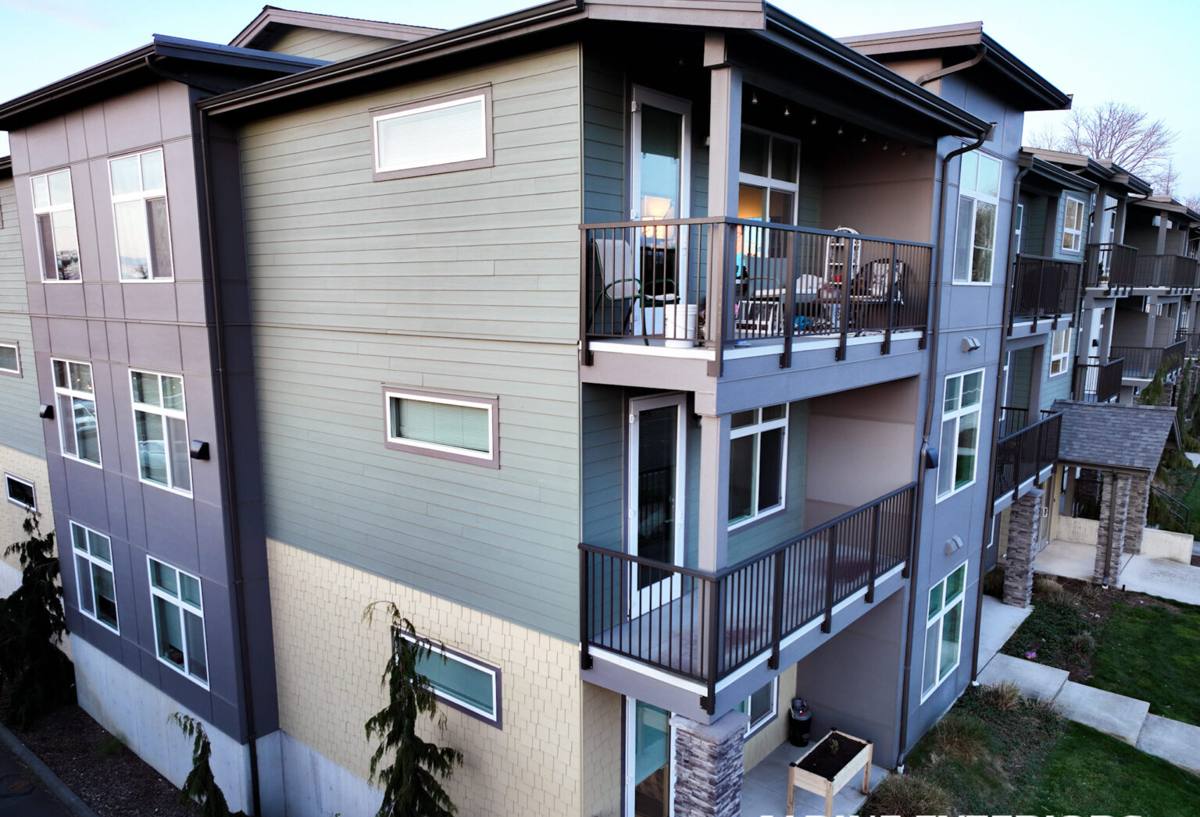
What Sun, Salt, and Storms Do to a Window Over Time
UV and Solar Heat Gain
Pinellas County gets sun nearly year-round, and on a barrier island like Treasure Island there's rarely much shade from mature tree canopy the way there might be a few miles inland. That constant UV exposure breaks down lower-grade seals, gaskets, and vinyl components faster than it would in a milder climate, and it also means unshaded windows are pulling a lot of solar heat directly into the living space — which is exactly what an air conditioner then has to work to remove.
Salt Air and Corrosion
Being this close to the Gulf means salt is in the air constantly, not just during storms. Over time, salt exposure accelerates corrosion on hardware, fasteners, and lower-quality frame components — locks that stick, cranks that seize, and screws that rust are common on older windows out here well before they'd show that kind of wear a few miles inland.
Wind-Driven Rain and Pressure Cycling
Storms off the Gulf don't just bring rain — they push it sideways into wall assemblies and window openings under real pressure, and even routine wind events cycle a window frame and its seals through repeated flexing. Seals and glazing that are only adequate will loosen, leak, or fail years earlier under that kind of repeated stress than they would in a calmer inland setting.
What "Energy-Efficient" Actually Means in This Climate
For a Treasure Island home, an energy-efficient window has to do two jobs at once: keep conditioned air inside, and keep unwanted solar heat out. That second part matters more here than it does almost anywhere else in the country, because cooling costs — not heating — dominate the energy bill for most of the year. Three numbers matter most when comparing window options:
- U-factor — how well the window resists heat transfer overall; lower is better in both directions.
- SHGC (Solar Heat Gain Coefficient) — how much solar heat the glass lets through; for west- and south-facing Treasure Island windows, a lower SHGC usually pays off faster than in a heating-dominated climate.
- Air infiltration rating — how tight the assembly is against air leakage, which matters both for energy loss and for keeping humid, salt-laden outside air from working its way in around the frame.
A window with a great U-factor but a poor SHGC rating can still leave a west-facing Treasure Island living room noticeably hotter in the afternoon than it should be. We talk through the actual ratings on the glass package with homeowners rather than leaning on marketing terms like "energy-efficient" without explaining what that means for their specific exposure.
Frame and Glazing Choices That Hold Up Out Here
Frame material affects both energy performance and how well a window survives years of coastal exposure. There isn't one universally correct answer — it depends on budget, the specific elevation of the home, and how much direct salt and sun a given window faces.
| Frame Material | Energy Performance | Coastal Durability | Typical Trade-Off |
|---|---|---|---|
| Vinyl | Good, especially with multi-chamber designs | Resists corrosion well; UV can degrade lower-grade vinyl over time | Lower upfront cost, quality varies a lot by manufacturer |
| Aluminum | Weaker without a thermal break | Strong structurally, but hardware and fasteners need corrosion-resistant grades near the Gulf | Slim sightlines, but poor thermal performance if not properly broken |
| Fiberglass | Very good; dimensionally stable | Excellent resistance to both UV and salt corrosion | Higher upfront cost than vinyl |
Whatever the frame, the glazing package matters just as much. Double-pane units with a low-E coating and an argon or krypton gas fill are the baseline we recommend for Treasure Island homes — the low-E coating is what actually controls solar heat gain, and the gas fill improves the U-factor without adding weight or cost the way a third pane would.
Impact Resistance and Energy Efficiency Aren't Separate Decisions
Pinellas County falls within Florida's wind-borne debris region under the Florida Building Code, which means window replacements on Treasure Island typically need to meet a Florida Product Approval rating for wind pressure and impact resistance, or be paired with code-compliant shutters. The good news is that this isn't a trade-off against energy efficiency — impact-rated laminated glass, which uses an interlayer bonded between two panes, tends to block more UV and solar heat than standard glass, on top of its wind and impact rating. For most Treasure Island homeowners replacing windows, an impact-rated, low-E, gas-filled unit ends up doing double duty: it satisfies the code requirement for the area and outperforms a standard energy-efficient window on solar heat gain.
Installation Details That Determine Whether It Performs on Paper or in Practice
A well-rated window that's installed poorly won't deliver the performance printed on its label. On a barrier island property, we pay close attention to a few things that matter more here than they would inland:
- Flashing and sealant rated for sustained moisture and salt exposure, not general-purpose caulk
- Correct anchoring into the structural opening to meet the wind-pressure rating the window is actually engineered for
- Continuous, gap-free sealing around the full perimeter of the frame, since even a small gap undermines both the energy rating and the water resistance
- Compatible, corrosion-resistant fasteners and hardware — mixing generic hardware with a coastal-rated window shortens its working life
A window's Florida Product Approval rating and its energy performance numbers are both tested assuming correct installation. Skip a step in the installation and neither number means much in practice.
Signs a Treasure Island Home Is Losing Money Through Its Windows
- Rooms that stay noticeably hotter than the rest of the house in the afternoon sun
- Air conditioning that runs constantly without keeping up on sunny days
- Fogging or moisture trapped between panes on older double-pane units
- Stiff, corroded, or hard-to-operate locks and cranks
- Visible daylight, drafts, or whistling around the frame during windy weather
- Faded flooring, furniture, or window treatments from unfiltered UV exposure
A Simple Checklist Before Hiring for Window Work on Treasure Island
- Confirm the proposed windows carry a current Florida Product Approval rating appropriate for the home's wind-pressure zone
- Ask for the actual U-factor and SHGC numbers on the glazing package, not just the word "energy-efficient"
- Confirm current Florida contractor licensing and active liability insurance
- Get a written scope that separates the manufacturer's product warranty from the installer's workmanship warranty
- Ask how they handle flashing and sealant specifically for salt-air exposure, not a generic installation answer
Our Process
We start with an on-site assessment of the existing windows — checking seal integrity, frame condition, hardware function, and how exposed each elevation is to direct sun and salt. From there we walk through glazing and frame options with the actual performance numbers, explain what Florida Product Approval rating applies to the home, and provide a written scope before any work begins. Installation follows the same flashing, sealing, and anchoring standards on every job, regardless of which window package a homeowner chooses.
If your Treasure Island home has windows that feel hot to the touch in the afternoon, are getting harder to operate, or you're just planning ahead for storm season, we're happy to take a look and walk through honest options. Reach out below for a free, no-pressure estimate.