 Largo Window
 Redington Shores sits on a narrow barrier island between the Gulf of Mexico and the Intracoastal Waterway, and that position means the siding on these homes takes on more punishment than siding just a few miles inland in Largo or elsewhere in Pinellas County. Salt-laden air is constant here, not occasional. Wind-driven rain during summer storms and hurricane season hits walls at angles a standard installation detail was never built to handle. And full Gulf sun bears down on painted and coated surfaces nearly every day of the year. When siding damage shows up on a Redington Shores home, it's rarely just cosmetic — it's usually a sign that water or wind has already found a way past the surface, and the repair needs to address that, not just patch what's visible.
Why Siding Repair Here Is Different From an Inland Job
A siding repair on a home a mile or two inland deals with Florida's heat and humidity, but a Redington Shores repair deals with all of that plus direct, unbuffered exposure to the Gulf. There's no tree line, no row of neighboring structures, and often no elevation change to slow wind and rain down before they reach the wall. That changes what "repair" actually needs to mean here. A patch that would hold up fine in a sheltered inland neighborhood can fail within a season or two on a Gulf-facing wall if it doesn't account for the wind load, the water intrusion path, and the ongoing salt exposure specific to this location.
It also changes how we diagnose the problem in the first place. Damage on a barrier island home often traces back to a failure point — a seam, a flashing detail, a fastener — that was under more stress here than it would have been anywhere else in the county. Fixing the visible damage without addressing why it failed just means paying for the same repair again in a few years.
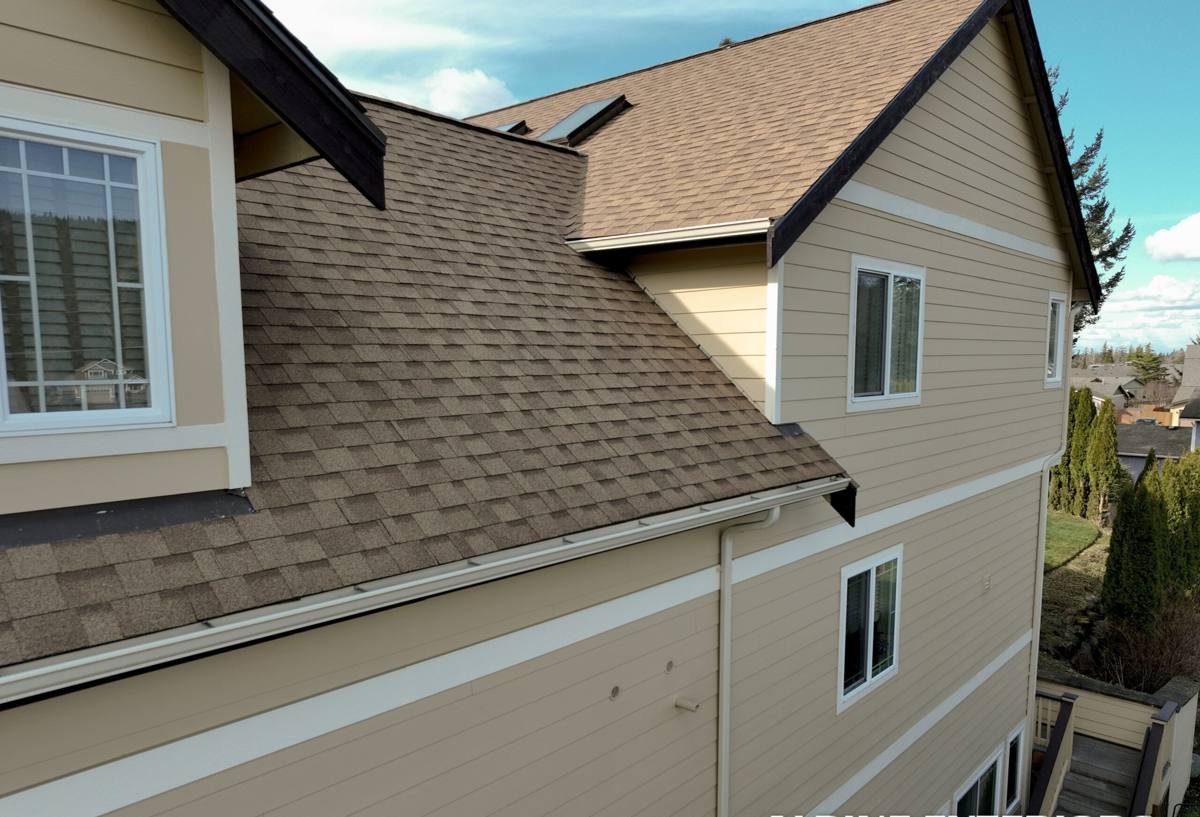
What the Climate Actually Does to Siding in Redington Shores
Four conditions do most of the damage to siding on this stretch of coastline, and they rarely act alone.
Hurricane-Force Wind
Wind doesn't just push against siding — it gets underneath panels and boards that aren't fastened or lapped correctly, working them loose over repeated storm cycles rather than failing all at once. On a home with direct Gulf exposure, even routine seasonal weather puts more sustained pressure on siding fasteners and seams than a comparable inland property ever experiences.
Year-Round, Intense UV
Florida sun is hard on exterior materials everywhere, but a Redington Shores home facing open water gets close to unobstructed exposure most of the day. Lower-quality paints, caulks, and some siding substrates break down faster under that kind of sustained UV — fading, chalking, and losing the flexibility a good seal needs to keep working.
Wind-Driven Rain
Rain that comes in sideways during a storm tests every seam, joint, and flashing detail on a wall in a way that straight-down rain never does. This is where poor installation work shows up years later as hidden moisture damage — water pushed behind a panel or board that wasn't lapped or sealed to handle a horizontal hit.
Salt Air
Salt is the slow one. It doesn't announce itself with a storm — it just sits in the air every day, corroding exposed fasteners, working into hairline cracks in coatings, and accelerating the breakdown of anything not built or finished for a marine environment. A repair that uses standard-grade fasteners or an inland-spec finish will show salt-related wear well before the same repair would on a home set back from the water.
Where This Shows Up First
- Loose, warped, or separated panels or boards, especially on Gulf-facing and corner walls
- Cracked, peeling, or chalking paint and factory finish well before the expected repaint interval
- Soft spots or visible swelling near the base of walls, around window and door trim, or at seams
- Rust streaking from fasteners or trim hardware
- Gaps at seams, corners, or where siding meets trim, flashing, or roofline
- Discoloration or a musty smell near an exterior wall from inside the home, which often means moisture is already behind the siding
What a Correct Siding Repair Involves
Diagnosis Before Anything Else
Every repair starts with figuring out why the damage happened, not just what it looks like. That means checking whether the failure is isolated — a single damaged panel from an impact — or systemic, meaning a flashing or installation detail is letting water in repeatedly across a larger section of wall. Those two situations call for very different scopes of work, and treating a systemic problem as a spot repair just delays the real fix.
Checking What's Behind the Siding
On a Gulf-facing wall, we don't assume the damage stops at the siding surface. Wind-driven rain that's been getting behind panels or boards for any length of time can affect the water-resistive barrier, sheathing, and even framing underneath. A repair that skips this step and just replaces the visible material can look fine for a while and still be covering up an active moisture problem.
Matching Material and Fastening for the Exposure
Repairs on this stretch of coastline need corrosion-resistant fasteners as a baseline, not an upsell, and the replacement material needs to be rated for the wind and moisture exposure of that specific wall. Matching an existing product line and finish also matters for appearance, but it can't come at the expense of getting the fastening and flashing right for a Gulf-facing exposure.
Sealing and Flashing Detail
This is the step that decides whether a repair lasts. Seams, corners, and transitions to trim or roofline need to be sequenced and sealed so wind-driven rain can't work its way behind the new material — the same principle that governs new installation, applied to a repair. A repair that looks right from the ground but skips proper flashing sequencing is the most common reason siding damage comes back within a year or two.
Repair Readiness Checklist
- Ask what caused the damage, not just what the fix will look like
- Confirm the crew is checking the sheathing and water-resistive barrier behind damaged siding, not just replacing the surface
- Ask whether fasteners and hardware are corrosion-resistant, coastal-grade, not standard-grade
- Get the flashing and sealing plan explained for the specific area being repaired
- Ask how the repair material will be matched to your existing siding for appearance and performance
- Get a written scope that separates spot repair from any broader issue found during diagnosis
Repair vs. Replacement: How We Make the Call
Not every damaged section needs full replacement, but not every damaged section should be spot-patched either. We look at how much of the wall is affected, whether the damage is isolated or tied to a systemic flashing or installation issue, and how much useful life is left in the surrounding siding before recommending a path. The table below covers the factors that typically drive that decision.
| Factor | What It Usually Means |
|---|---|
| Isolated impact damage | A single panel or board replacement is usually enough, provided the area behind it is dry and sound |
| Repeated failures in the same area | Points to a systemic flashing or installation issue that needs correcting, not just re-patching |
| Moisture found behind the siding | Requires addressing the sheathing or barrier underneath before new siding goes back on |
| Age and condition of surrounding siding | Older siding nearing the end of its service life may make broader replacement more cost-effective than repeated repairs |
| Exposure of the affected wall | Direct Gulf-facing walls generally warrant a higher standard of repair detail than a sheltered elevation |
Why We Repair With James Hardie Fiber Cement
When a repair calls for new material — whether it's matching an existing Hardie installation or replacing a failing product with something built for this exposure — we use James Hardie fiber cement. It's non-combustible, holds up to the wind, rain, and salt air this coastline sees without the moisture sensitivity that some engineered wood and composite products carry, and the ColorPlus factory finish is baked to resist the fading and chalking that intense Gulf-facing UV causes on lesser coatings. Hardie's HZ5 product line is engineered specifically for high-humidity, storm-prone climates like this one, and it carries a strong transferable warranty when installed to spec. We don't install vinyl, LP SmartSide, primed spruce, or cedar on these homes, because we've seen how those products perform — or don't — under sustained coastal exposure, and we'd rather put a product on your home that we're confident will still be performing correctly ten and fifteen years from now.
Our Repair Process
- On-site inspection — we assess the visible damage, the wall's exposure, and check for signs of moisture behind the siding
- Honest diagnosis — isolated damage versus a systemic flashing or installation issue, explained plainly
- Written scope and estimate — what's being repaired, what material is being used, and why, with no surprise upsells
- Removal and substrate check — damaged material comes out, and anything underneath — sheathing, barrier, framing — gets addressed before new siding goes on
- Repair and refastening — matched material installed with corrosion-resistant fasteners rated for this exposure
- Flashing, sealing, and finish — weatherproofing detailed for the specific area, then finished to match the surrounding siding
Why Hiring a Crew That Already Works Redington Shores Matters
Siding repair here isn't the same trade as siding repair on an inland Largo street, and a crew that mostly works sheltered neighborhoods can get the visible patch right and still miss why the damage happened in the first place. Knowing how much lap a seam needs on a wall with no windbreak, how a specific flashing detail holds up against wind-driven rain coming in sideways off the Gulf, and which fasteners actually resist salt air rather than just looking fine on install day — those are things a crew learns from working this exact coastline repeatedly, not from a general specification sheet.
We work Redington Shores and the surrounding Largo area regularly, so a repair estimate from us starts with an accurate read on what this specific wall, this specific exposure, and this specific home actually need — not a generic fix that happens to be available.
Get an Honest Assessment
If you're seeing loose, cracked, or discolored siding on a Redington Shores home, it's worth having someone look at it before the damage spreads or the underlying cause does more harm than the visible problem suggests. We offer free, no-pressure estimates for siding repair in Redington Shores and throughout the Largo area — use the form below to get a time on the schedule.