 Largo Window
 Roofs in Pinellas Park Work Harder Than Most
Pinellas Park sits in the middle of a peninsula that gets hit from every direction — Gulf humidity, bay-side storms, and open exposure to whatever comes off the water. A roof here isn't just shedding rain a few times a year. It's absorbing intense UV almost every day of the year, getting pushed and lifted by hurricane-force gusts during storm season, taking on wind-driven rain that finds its way sideways under shingles and flashing, and slowly corroding from salt air that travels further inland than most homeowners realize. None of these forces is dramatic on its own. Together, over years, they're what turns a small flashing gap into an active leak, or a handful of lifted shingles into a full section of exposed decking.
That's the backdrop for every roof repair call we take in this area. We're not just patching a hole — we're accounting for a roof that's going to keep facing the same conditions the day after we leave.
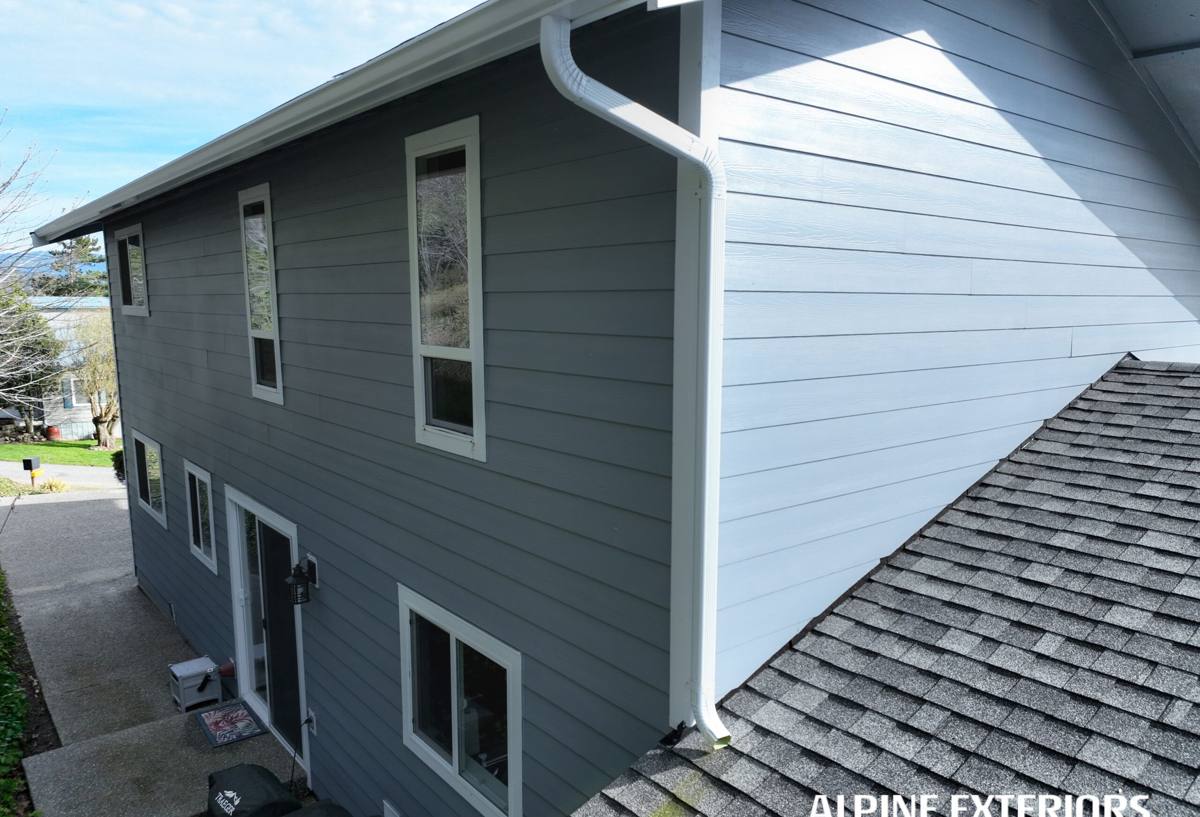
Signs a Pinellas Park Roof Needs Repair
Most roof problems don't announce themselves with a collapsed ceiling. They show up as small, easy-to-miss signals first. Homeowners in this area should treat any of the following as a reason to get a roof looked at, not wait it out:
- Granules collecting in gutters or at downspout outlets — a sign shingles are breaking down under UV exposure
- Curling, cracked, or missing shingles, especially after a windy afternoon storm
- Dark streaking or soft, discolored spots on interior ceilings near exterior walls
- Visible daylight or gaps around flashing at chimneys, vent pipes, or roof-to-wall transitions
- Sagging or spongy-feeling roof sections when walked (or visibly sagging from the ground)
- Rusted or lifted metal flashing, particularly on the side of the home that faces prevailing wind
- A noticeable increase in attic temperature or humidity, which often points to ventilation or underlayment failure
Any one of these on its own might just need a targeted repair. Several at once, or a roof that's already 15-plus years old, usually means it's worth having someone assess whether repair is still the right call versus planning ahead for replacement.
What Actually Causes Roof Damage Here
Wind and Uplift
Florida's wind-driven weather doesn't just push rain — it gets under shingle edges and flashing lips and pries them upward. Once a shingle tab or flashing edge lifts even slightly, every subsequent storm has an easier time getting further underneath it. This is why roof repair in Pinellas Park so often centers on edges: rake edges, ridge caps, and flashing seams, not just the open field of the roof.
UV Breakdown
Asphalt shingles rely on their granule coating to block UV and protect the asphalt layer underneath. Year-round Florida sun accelerates granule loss, which dries out and embrittles the shingle mat faster than in most other parts of the country. Brittle shingles crack instead of flexing, especially at fastener points.
Wind-Driven Rain
Rain that falls straight down mostly follows the roof's designed drainage path. Rain that's being pushed sideways by wind behaves differently — it can work backward under shingle laps and through any gap in flashing or underlayment that wouldn't matter in calmer weather. Most of the "mystery leaks" we're called out for trace back to wind-driven rain finding a weak point that only leaks during a storm.
Salt Air Corrosion
Pinellas Park isn't directly on the coast, but it's close enough that salt-laden air still reaches metal roof components — flashing, fasteners, vent boots, and drip edge. Corrosion weakens these parts gradually, and a fastener or flashing seam that's rusted through offers a lot less resistance to wind and water than one that's intact.
What a Correct Roof Repair Actually Involves
A roof repair that's done right isn't just sealing the spot where water is currently visible. Water travels before it shows up as a stain, so a proper repair traces the problem back to its actual source. That typically means:
- Identifying the true entry point, which is often higher up or off to the side of where the leak appears inside
- Removing and replacing damaged shingles, decking, or underlayment rather than sealing over compromised material
- Re-flashing chimneys, vents, skylights, or wall transitions with new flashing when the existing metal is corroded, lifted, or improperly lapped
- Confirming proper shingle overlap and fastener placement so the repaired section performs the same as the surrounding roof in wind
- Checking attic ventilation and insulation near the repair area, since trapped moisture and heat contribute to underlayment breakdown
Repairs that skip these steps — a bead of sealant over a symptom instead of a fix at the source — tend to fail again within a season or two, usually right when the next storm rolls through.
Our Roof Repair Process
1. Inspection and Diagnosis
We start by physically inspecting the roof, not just the interior stain. That means checking the field, the edges, all flashing points, and the attic from inside when accessible. We're looking for the actual cause, not just the closest visible damage.
2. Clear Explanation Before Any Work
Once we know what's going on, we explain it in plain terms — what's damaged, why it happened, and what the repair involves. If a section of roof is too far gone for a repair to make sense long-term, we'll say so honestly rather than patching something that's going to fail again soon.
3. The Repair Itself
We match materials to what's already on the roof where possible, remove and replace compromised shingles, decking, or flashing, and rebuild the repaired area to shed water and resist wind the way the rest of the roof does.
4. Final Check
Before we consider the job done, we walk the repair and the surrounding area to confirm everything is sealed, fastened, and flush — no loose edges left for the next storm to catch.
Repair vs. Replacement: What Determines the Right Call
Not every roof problem needs a full replacement, and not every roof problem should be patched indefinitely either. The right choice usually comes down to a few honest factors:
| Factor | Leans Toward Repair | Leans Toward Replacement |
|---|---|---|
| Roof age | Under 10-12 years | Nearing or past manufacturer's expected lifespan |
| Damage extent | Isolated to one section or flashing point | Widespread granule loss, multiple leak areas |
| Underlayment condition | Intact where exposed | Deteriorated or missing in multiple spots |
| Decking condition | Solid, no soft spots | Soft, rotted, or delaminated in several areas |
| Typical cost range | A few hundred to a couple thousand dollars, depending on scope | A larger investment, but resets the clock on the whole roof |
| Storm/insurance history | Single documented event, localized damage | Repeated repairs or an insurer flagging the roof's age |
We'll walk you through where your roof actually falls on that spectrum rather than defaulting to whichever answer is more profitable for us. A lot of roofs in this area genuinely just need a solid, correctly done repair.
Why Hiring a Crew That Already Works in Pinellas Park Matters
Roof repair sounds like it should be the same everywhere, but the details that make a repair actually hold up are regional. A crew that regularly works Pinellas County roofs already knows which flashing details tend to fail first in this climate, how local wind exposure affects shingle and fastener choices, and what Pinellas County permitting and inspection expects for roof repair work. That's the difference between a repair that's technically sealed and one that's built to hold through the next wind event.
There's also a practical side: a local crew can typically respond faster when a storm has just come through and a roof needs attention before the next round of rain, instead of scheduling around travel from outside the area.
Homeowner Checklist: Before You Call for a Repair
A little groundwork on your end helps us diagnose faster and gives you a clearer picture of what to expect:
- Note when you first noticed the issue — after a specific storm, or gradually over time
- Take photos of any interior staining or visible exterior damage, if it's safe to do so from the ground
- Check your attic (if accessible) for damp insulation, staining, or daylight coming through the decking
- Have your roof's approximate age and any past repair history on hand
- Avoid climbing onto the roof yourself to inspect or "fix" it — loose granules and wind-worn shingles make footing unreliable
- If you've filed or plan to file an insurance claim, hold off on permanent repairs to the damaged area until it's been documented
Maintaining Your Roof Between Repairs
A repaired roof still needs basic upkeep to get its full life out of it. Keep gutters and downspouts clear so water isn't backing up under the roof edge. Trim back any overhanging branches that scrape shingles in the wind or drop debris into valleys. After any significant storm, do a visual check from the ground for obviously lifted or missing shingles rather than waiting for a leak to show up inside. And if your roof is approaching the 10-15 year mark, a periodic professional check-up costs far less than discovering a problem after it's caused interior damage.
If you're dealing with a leak, storm damage, or a roof that's just showing its age, we're happy to take a look and give you a straight answer about what it needs. Fill out the form below for a free, no-pressure estimate — we'll assess the roof, explain what we find, and let you decide from there.