 Largo Window
 Roof Replacement in Belleair: A Coastal Job, Not a Standard One
Belleair sits close to the Gulf, tucked against the Intracoastal in Pinellas County, and that location shapes what a roof has to survive here. A roof replacement in this part of Largo isn't just about swapping old shingles for new ones. It's about building an assembly that can take hurricane-force wind gusts, shrug off wind-driven rain that gets pushed sideways under normal flashing details, hold up to some of the most intense year-round UV exposure in the country, and resist the slow corrosion that salt-laden air causes to fasteners, flashing, and metal components. Homes just a mile or two inland deal with a gentler version of this. Homes in and around Belleair deal with the full version, every year.
That's why a roof replacement here has to be treated as a system decision, not a materials decision. The shingle or panel on top matters, but so does everything underneath it: the decking, the underlayment, the flashing at every penetration, and the ventilation that keeps heat and moisture from cooking the roof from the inside out.
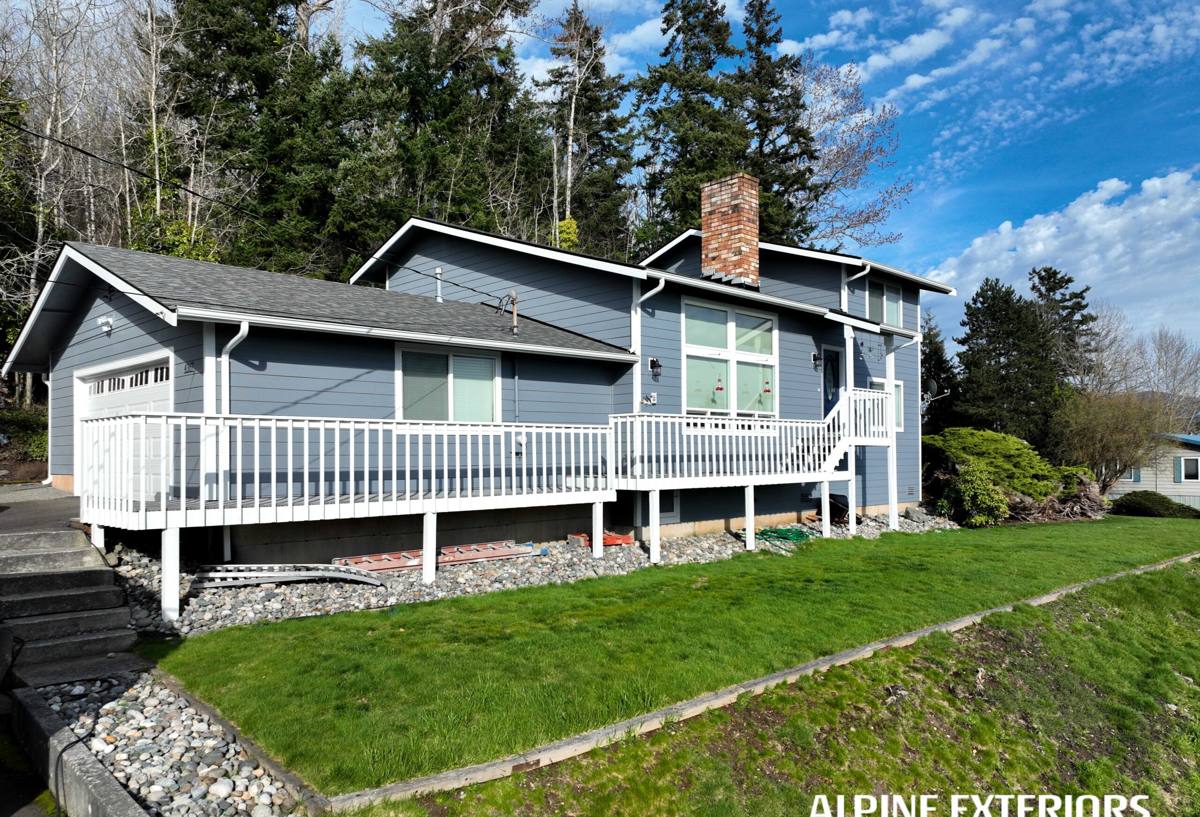
Signs a Belleair Roof Needs Replacing, Not Just Repair
Coastal wear doesn't always show up as an obvious leak. It often shows up as a pattern of small problems that point to a roof nearing the end of its useful life.
- Granule loss that's left shingles looking patchy or bald in sun-exposed areas, especially south- and west-facing slopes
- Curling, cupping, or cracked shingles, particularly around ridges and hips where heat and wind stress concentrate
- Rusted or corroded flashing around chimneys, skylights, plumbing vents, or wall-to-roof transitions
- Soft spots or sagging in the decking, usually found during a tear-off but sometimes visible from the attic
- Repeated repairs to the same areas after storm season, year after year
- A roof that's 18-20+ years old for asphalt shingle, or showing widespread wear regardless of age after a rough hurricane season
If a roof is only a few years from the end of its expected life, patch repairs after every storm start costing more, cumulatively, than a planned replacement — and each repair is a seam where the next leak can start.
What a Correct Roof Replacement Actually Involves
Full Tear-Off, Not Overlay
A second layer of shingles over an existing roof might be allowed in some cases, but it hides the condition of the decking underneath and traps heat and moisture between layers. For a coastal home, we tear off down to the deck so every board can be inspected and any water-damaged or delaminated sections can be replaced before anything new goes down.
Underlayment That Handles Wind-Driven Rain
Standard felt paper is a minimum-code product, not a coastal-grade one. On a Belleair roof, wind-driven rain can push moisture under standard shingle laps during a strong storm, so the underlayment layer needs to be a synthetic or self-adhering product rated to handle that intrusion, especially at eaves, valleys, and low-slope sections.
Flashing Done Right the First Time
Most roof leaks trace back to flashing, not the field of the roof itself. Every penetration — chimneys, vent stacks, skylights — and every wall intersection needs new, correctly lapped flashing, not caulk smeared over old metal. Salt air accelerates corrosion on cheap or improperly sealed flashing, so material choice and installation technique both matter here more than they would inland.
Ventilation That Matches the Attic
Florida attics run hot, and a poorly ventilated attic shortens the life of whatever roofing material sits above it — including UV-resistant products. Intake at the soffits and exhaust at the ridge (or another appropriate exhaust point) need to be balanced, not just present, so the roof deck isn't baking from underneath on top of everything it takes from the sun above.
Fasteners and Wind Rating
Nailing pattern and fastener spacing are where a lot of corners get cut because it's invisible once the roof is finished. Coastal Pinellas County homes fall under Florida Building Code wind provisions for the wind-borne debris region, which set minimum requirements for fastening schedules and material wind ratings. We install to meet or exceed what the code requires for this area — not the minimum that happens to be cheapest.
Roofing Materials for a Belleair Home
There's no single "best" roofing material for every home — the right choice depends on the roof's slope, the home's structure, budget, and how the homeowner weighs upfront cost against long-term maintenance. Here's an honest comparison for this specific climate:
| Material | Wind/Storm Performance | UV & Salt Air Durability | Typical Lifespan | Maintenance |
|---|---|---|---|---|
| Architectural asphalt shingle | Good, when rated and installed correctly for this wind region | Moderate — granule loss over time from UV; algae/salt staining possible | 18-25 years | Low to moderate |
| Standing seam metal | Excellent when properly fastened | Strong UV resistance; needs coastal-rated fasteners and coatings to resist salt corrosion | 40-50+ years | Low |
| Concrete or clay tile | Very good for the tile itself; underlayment and fastening are the real wind-resistance factors | Excellent UV durability; underlayment beneath it is the component that ages | 30-50+ years (tile), underlayment often needs replacement sooner | Moderate — occasional tile replacement, underlayment monitoring |
Whatever material a homeowner chooses, the underlayment, flashing, and fastening details described above matter more to how the roof performs in a storm than the surface material alone.
Our Roof Replacement Process
- On-site inspection and estimate. We walk the roof, check the attic, and give a straightforward assessment of what's needed — no pressure, no inflated scope.
- Material and scope decisions. We go over material options, ventilation needs, and any decking concerns before work starts, so there are no surprises mid-project.
- Permitting. Roof replacements require a permit in this area. We handle that paperwork so the job is inspected and documented correctly.
- Tear-off and deck inspection. Old material comes off completely, and any compromised decking is identified and replaced.
- Underlayment, flashing, and ventilation installation. This is where the roof's real storm performance gets built, before the finish material ever goes down.
- Finish material installation. Installed to the fastening schedule and details required for this wind region.
- Final walkthrough and cleanup. We inspect the finished roof with the homeowner and clear the site of debris and old material.
What Drives the Cost of a Roof Replacement Here
Every roof is a little different, but these are the main factors that move the price up or down on a Belleair project:
- Total roof area and the number of slopes, hips, valleys, and penetrations
- Roof pitch — steeper roofs take longer and require more safety equipment
- Number of existing layers to tear off
- Condition of the decking once it's exposed
- Material selected (asphalt, metal, or tile) and its associated underlayment requirements
- Ventilation upgrades needed to bring an older attic system up to a functional standard
- Permit fees and any required inspections
- Disposal and hauling of old roofing material
A homeowner should expect a wide range depending on these variables — anyone quoting a firm number without inspecting the roof and attic first is skipping steps that affect both price and performance.
Insurance and Documentation
After hurricane season, insurance claims for roof damage are common in this part of Florida, and documentation matters. We provide clear scope-of-work detail and photos of conditions found during tear-off, which homeowners can use for their own insurance records. We're not a public adjuster and don't handle claims, but we make sure the physical work and paperwork trail hold up to scrutiny.
Why Hire a Crew That Already Works in Belleair
A roofing crew that regularly works this specific stretch of Pinellas County already understands the practical realities of the area: the wind exposure that comes with proximity to open water, the way salt air chews through unprotected metal faster than it would a few miles inland, and the permitting expectations of local jurisdictions. That familiarity shows up in the details — the flashing choices, the fastener spacing, the underlayment spec — that a crew unfamiliar with coastal Florida might treat as optional rather than essential. It also means faster response if a storm damages a roof between routine work, since we're already established locally rather than driving in from across the county.
If your roof is showing its age, took a beating in the last storm season, or you're just trying to plan ahead before the next one, we're happy to take a look and give you a straightforward, no-pressure estimate. Use the form below to get started.