 Largo Window
 Asphalt Shingle Roofing Built for Safety Harbor's Climate
Safety Harbor sits close enough to Tampa Bay that homes here take on a specific mix of punishment: salt-laden air drifting off the water, sun that beats down nearly year-round, sudden wind-driven downpours in the summer, and the real possibility of hurricane-force gusts during storm season. An asphalt shingle roof that's installed correctly can handle all of that for two decades or more. One that's installed with shortcuts will show problems in five years or less — granule loss, curling edges, leaks at the valleys, and shingles that lift in the first strong blow. The difference almost always comes down to what happens underneath the shingles, not the shingles themselves.
We work on homes throughout Largo and the surrounding Pinellas County communities, including Safety Harbor, and we've seen firsthand how coastal exposure changes what "correct installation" actually requires here versus a roof going on somewhere inland.
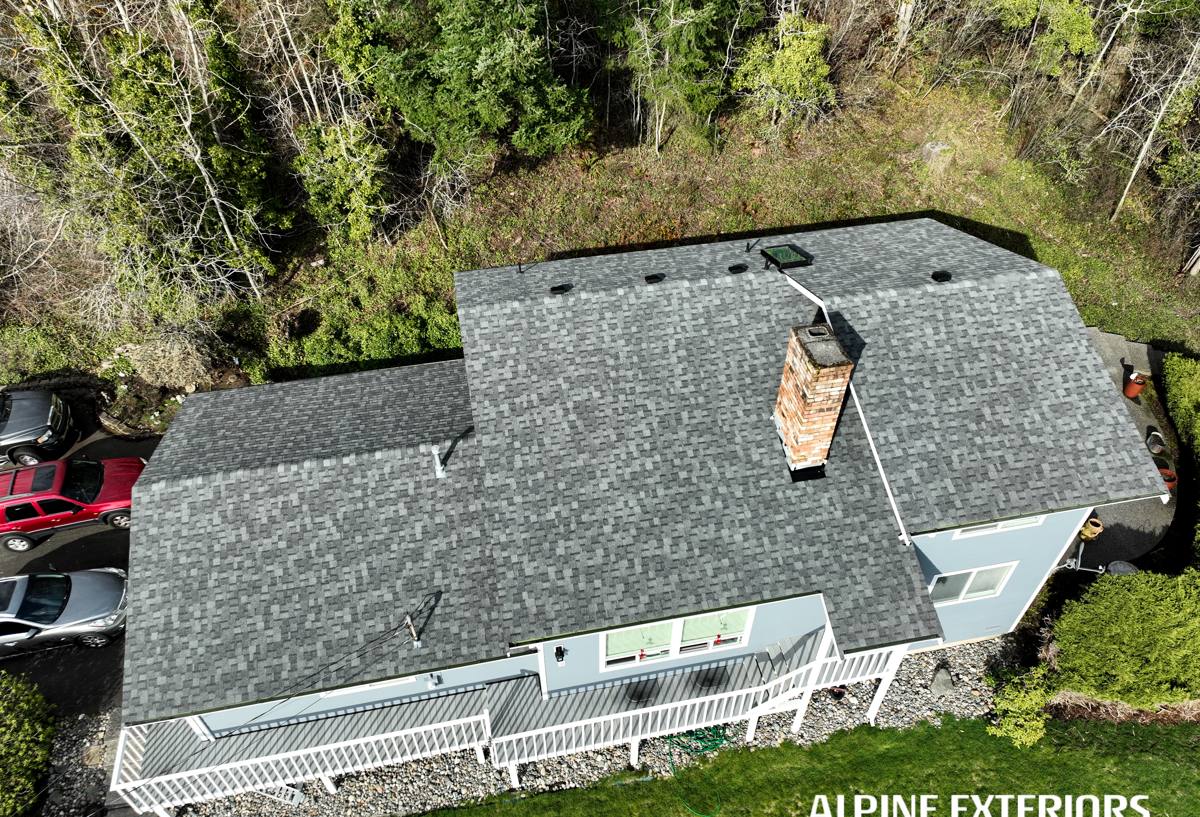
What Safety Harbor Homes Need From a Shingle Roof
Wind Resistance That Matches Real Conditions
Florida building code sets minimum wind-rating requirements by region, and Pinellas County's coastal position means those minimums matter more here than in most parts of the state. Shingles rated for high-wind performance, combined with the correct nailing pattern and nail count per shingle, are what actually keep a roof intact during a tropical storm or hurricane. Under-nailing — using staples, or placing nails too high on the shingle — is one of the most common shortcuts we find on older Safety Harbor roofs, and it's usually invisible until wind gets underneath a shingle edge and starts peeling the roof back.
UV and Heat Endurance
Central Florida sun is hard on asphalt shingles. UV exposure breaks down the asphalt binder over time, and the granules that protect that binder wear off faster on south- and west-facing slopes. Attic ventilation plays a bigger role here than most homeowners realize — a poorly ventilated attic traps heat, which accelerates shingle aging from underneath as well as from the sun above.
Salt Air and Moisture
Safety Harbor's proximity to the bay means metal roofing components — flashing, drip edge, nail heads, vent stacks — are exposed to a more corrosive environment than an inland property. Using the wrong-grade metal, or skipping corrosion-resistant fasteners, shortens the life of flashing details long before the shingles themselves wear out. Once flashing fails, water finds its way in regardless of how good the shingles look.
What a Correct Asphalt Shingle Installation Involves
A shingle roof is a system, not a single product. Every layer has a job, and skipping or shortcutting any one of them undermines the whole system's performance in this climate.
- Deck inspection and repair — Any soft, delaminated, or water-damaged decking gets replaced before anything else goes down. Shingles installed over a compromised deck will fail regardless of quality.
- Underlayment — A synthetic or self-adhered underlayment provides the actual water barrier beneath the shingles. This layer matters more in a wind-driven-rain climate like ours, where water can be pushed sideways and upward under shingle edges during a storm.
- Drip edge and flashing — Properly installed metal drip edge at eaves and rakes, plus correctly integrated step flashing, counter-flashing, and valley flashing, are what actually stop water at the roof's vulnerable transition points.
- Ice-and-water-shield equivalent protection at valleys and penetrations — Even in Florida's climate, reinforced waterproofing at valleys, chimneys, skylights, and vent penetrations is critical, since these are the highest-risk leak points on any roof.
- Shingle installation to manufacturer and code specification — Correct nail count, nail placement, and exposure for the wind rating the shingle is designed to meet — not just "close enough."
- Ventilation — Proper intake and exhaust airflow through the attic, sized correctly for the home, to manage heat and moisture and protect both the roof deck and the shingles from the inside out.
Common Shortcuts We Watch For on Re-Roofs
When we tear off an existing shingle roof in the Safety Harbor area, a handful of issues show up repeatedly: nailing too high on the shingle, insufficient nail count for the actual wind exposure of the site, reused or inadequate flashing, and underlayment that was never properly lapped or sealed at penetrations. None of these are visible from the ground, which is exactly why they get skipped by crews trying to move fast.
Asphalt Shingle Options: What the Grades Actually Mean
| Shingle Type | Typical Lifespan | Wind Rating Range | Best Suited For |
|---|---|---|---|
| 3-tab (strip) shingles | 15–20 years | Lower end of code minimums | Budget-conscious re-roofs on standard-exposure sites |
| Architectural (dimensional) shingles | 20–30 years | Mid to high, product-dependent | Most Safety Harbor homes — better wind performance and appearance |
| Premium/designer architectural | 25–30+ years | High-wind rated lines available | Homes prioritizing maximum durability and curb appeal |
For coastal Pinellas County properties, we generally steer homeowners toward architectural shingles with a wind rating suited to the site's actual exposure, rather than the bare code minimum. The cost difference over the life of the roof is small compared to the cost of a premature failure or a denied insurance claim after a storm.
Cost Factors for a Safety Harbor Roofing Project
Every roof is priced differently based on the specifics of the home, but a few factors consistently move the number up or down:
| Factor | Why It Affects Cost |
|---|---|
| Roof size and number of squares | More material and labor, straightforward scaling |
| Roof pitch and accessibility | Steeper or harder-to-access roofs require more safety setup and time |
| Number of penetrations and valleys | Each requires additional flashing work and labor |
| Deck condition | Rotten or damaged plywood adds replacement cost discovered during tear-off |
| Shingle grade selected | Higher wind-rated and longer-warranty products cost more per square |
| Ventilation upgrades needed | Adding or correcting intake/exhaust vents adds material and labor |
We provide a detailed, itemized estimate before any work begins, so there are no surprises once the tear-off starts.
Our Process, Start to Finish
- On-site inspection — We assess the current roof, attic ventilation, and any visible signs of deck or flashing issues before quoting anything.
- Written estimate — A clear breakdown of materials, scope, and cost, with no vague allowances.
- Tear-off and deck inspection — Full removal of the old roofing system so the deck can be properly inspected and any damaged sections replaced.
- Underlayment and flashing installation — The waterproofing layer and all metal flashing details go in to spec, not to shortcuts.
- Shingle installation — Installed to the nailing pattern and exposure the product's wind rating requires.
- Final walkthrough — We review the completed work with the homeowner and clean the property of debris and old materials.
What to Have Ready Before We Arrive
- Clear access to the driveway and yard for material staging and dumpster placement
- Vehicles moved away from the immediate work area
- Any known interior signs of past leaks noted for our inspector
- Pets kept indoors or off-property during tear-off and installation
Why It Matters to Hire a Crew That Already Works This Area
A roofing crew that regularly works Safety Harbor and the broader Largo area already understands the local wind-exposure requirements, knows what Pinellas County permitting and inspection expect, and has seen how salt air and sun affect roofs specifically in this pocket of the coast. That's different from a crew that mostly works inland jobs and treats every roof the same regardless of exposure. Local experience shows up in the details — the flashing grade chosen, the nailing pattern used, the ventilation calculation run for the specific home — not in anything you can see from the curb once the job is finished.
It also matters for accountability. A contractor with an established presence in the area is easy to reach if a question comes up after the job, whether that's about warranty coverage, a follow-up inspection, or simply understanding what was done and why.
Maintaining Your Shingle Roof After Installation
A correctly installed shingle roof still benefits from basic upkeep, especially in this climate:
- Keep gutters and valleys clear of leaves and debris so water can drain freely
- Trim overhanging branches that can drop debris or scrape shingles during wind
- Have the roof visually inspected after any major storm for lifted or missing shingles
- Watch for granule buildup in gutters, which can signal accelerating shingle wear
- Address any interior ceiling stains promptly rather than waiting for them to spread
If you're weighing options for a shingle roof replacement or repair in Safety Harbor, we're happy to take a look and walk you through what your home specifically needs. Reach out for a free, no-pressure estimate using the form below.