 Largo Window
 Siding Built for a Waterfront Pinellas County Address
Safety Harbor sits right on Old Tampa Bay, which means the siding on these homes works harder than siding a few miles inland. Homes here deal with a steady mix of salt-laden humidity, intense year-round UV exposure, wind-driven rain, and the occasional hurricane-force wind event. None of that is unique to one street or subdivision — it's the baseline for anything close to the water in Pinellas County. What is unique is how much that combination speeds up the failure of the wrong siding material or a mediocre installation.
This page is about one thing: what a correct siding installation looks like for a Safety Harbor home, and why the climate here changes what "correct" actually means.
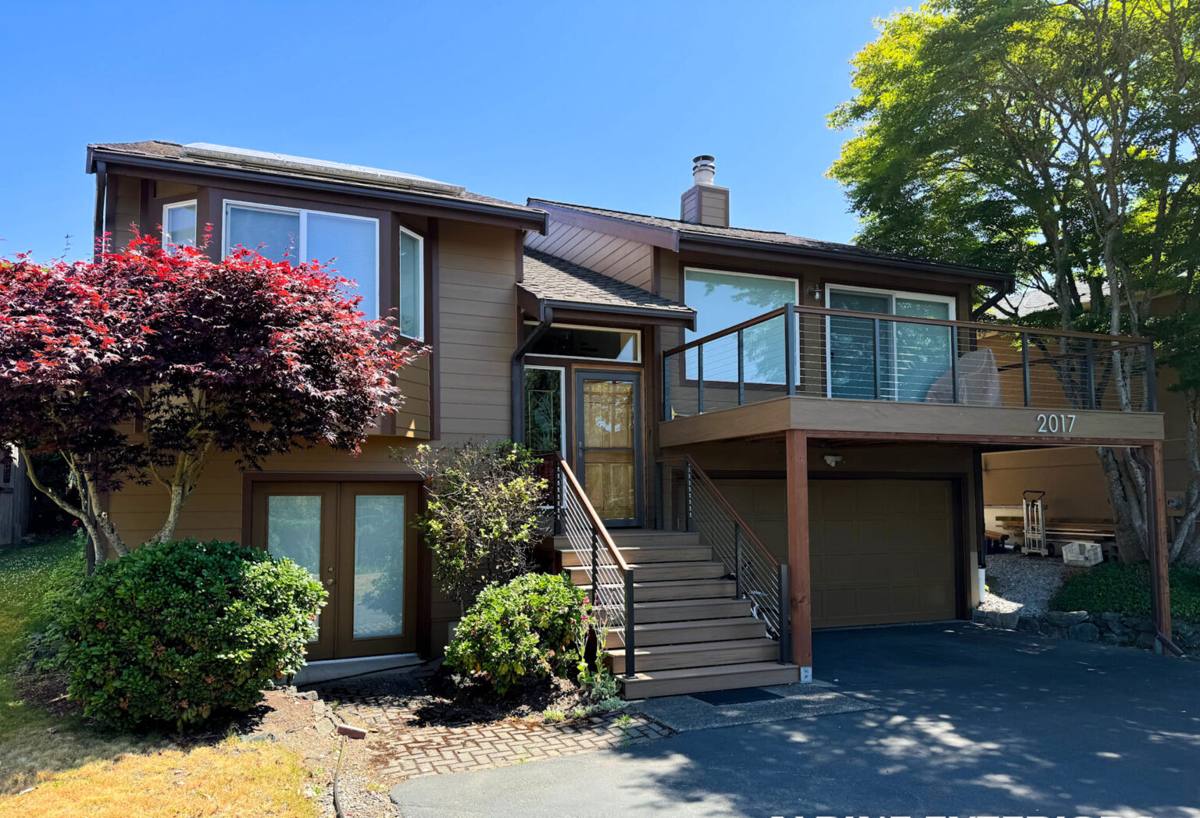
Why This Climate Is Hard on Siding
Salt Air and Humidity
Proximity to the bay means a near-constant film of salt-laden moisture on exterior surfaces. Salt is corrosive to fasteners and hardware, and it accelerates the breakdown of finishes that aren't formulated to resist it. Combine that with Florida's humidity and you get a wall assembly that rarely gets to fully dry out between rain events — which is exactly the condition that rots wood-based products and delaminates weak composites.
UV Exposure
Florida sun is relentless, and it doesn't take a season off. Paint film chalks, fades, and breaks down faster here than almost anywhere else in the country. A siding product with a factory finish engineered for UV resistance holds its color and integrity far longer than field-applied paint on any substrate.
Wind-Driven Rain and Hurricane-Force Wind
Safety Harbor isn't immune to the wind events that come through the Tampa Bay area. Wind-driven rain gets forced sideways into laps, joints, and penetrations that a garden-variety installation never accounts for. And hurricane-force gusts put real, cumulative load on fastening patterns — the difference between a house that keeps its siding through a storm and one that doesn't often comes down to how it was nailed, not what brand is on the label.
Signs a Safety Harbor Home Needs New Siding
- Visible warping, buckling, or soft spots you can press a finger into
- Paint that's chalking, peeling, or fading unevenly across sun-exposed elevations
- Gaps opening up at seams, corners, or around windows and doors
- Rising energy bills with no other explanation, suggesting the wall assembly is no longer sealing properly
- Visible mold, mildew, or dark streaking that keeps returning after cleaning
- Siding that flexes or rattles in wind, a sign fasteners have backed out or missed framing
Any one of these can show up years before a homeowner notices, especially on elevations facing the water or prevailing wind. If more than one of these is present, the assembly behind the siding — not just the surface — is usually already compromised.
Why We Install Only James Hardie Fiber Cement
We don't install vinyl, LP SmartSide, Cemplank, Allura, or bare wood siding, and Safety Harbor's climate is a big part of why. Vinyl expands, contracts, and can distort or crack under sustained UV and heat, and it offers little resistance to wind-driven debris. Wood-based composite products depend on maintaining a paint film and moisture seal that Florida's humidity and sun cycle work against year-round; once moisture gets past that seal, the wood substrate underneath is vulnerable to swelling and rot in a way fiber cement simply isn't.
James Hardie fiber cement is non-combustible, dimensionally stable in heat and humidity, and comes with a factory-applied ColorPlus finish engineered to resist UV fading far longer than field-applied paint. Hardie also produces climate-specific HZ product lines — the HZ5 formulation is engineered for humid, moisture-heavy climates like the Gulf Coast, with additives that resist moisture intrusion and biological growth. That's not a marketing detail for a Safety Harbor home; it's the reason the product holds up on this side of the state.
Standardizing on one product also means our crews know its installation requirements cold — fastener spacing, clearances, joint treatment — instead of switching methods between five different manufacturer spec sheets.
What a Correct Installation Actually Involves
The material only performs as well as the installation behind it. A correct siding job for a home exposed to salt air and storm-driven rain includes several things that are easy to skip and hard to inspect after the fact:
Weather Barrier and Flashing
A continuous, properly lapped weather-resistant barrier goes on before any siding, with flashing integrated at every window, door, and penetration so water is directed out and down, never trapped behind the cladding.
Fastening to Spec
Hardie panels and lap siding have manufacturer-specified fastener types, spacing, and embedment depth designed to hold through sustained wind loads. Overdriven or underdriven nails, or fasteners that miss framing, are the single most common cause of siding failure in wind — and the hardest defect for a homeowner to spot from the ground.
Clearances and Joint Treatment
Hardie siding requires minimum clearance from roof lines, decks, and grade, and joints need to be treated per manufacturer detail — caulked and painted, or shiplapped, correctly. Skipping clearance is a common shortcut that traps moisture against the bottom edge of the siding, which is exactly where humidity and wind-driven rain do the most damage over time.
Corners, Trim, and Penetrations
Every outlet, hose bib, vent, and light fixture penetrating the siding is a potential entry point for wind-driven rain if it isn't flashed and sealed correctly. Correct trim work isn't cosmetic — it's part of the water management system.
How a Correct Install Compares to a Rushed One
| Detail | Correct Installation | Common Shortcut |
|---|---|---|
| Weather barrier | Continuous, properly lapped, integrated flashing at every opening | Gaps at seams, flashing skipped or reversed |
| Fastening | Manufacturer-spec nail type, spacing, and embedment into framing | Overdriven fasteners, missed studs, wrong nail type |
| Clearances | Correct gap from roofline, deck, and grade per Hardie spec | Siding tight to grade or decking, trapping moisture |
| Joints | Sealed, caulked, and painted per manufacturer detail | Butt joints left uncaulked or painted over gaps |
| Penetrations | Individually flashed and sealed | Caulk-only seal around fixtures and vents |
From the curb, a rushed installation and a correct one can look identical on day one. The difference shows up two to five years later, usually first on the elevation that takes the most sun and wind — which in Safety Harbor is often the side facing the bay.
Our Process for a Safety Harbor Siding Installation
- On-site assessment — we walk the exterior, check for existing moisture damage, and evaluate the current wall assembly before quoting anything.
- Detailed scope and product selection — we specify the correct Hardie profile, HZ line, and ColorPlus finish for the home, and put fastening, flashing, and clearance details in writing.
- Removal and substrate repair — old siding comes off, and any rotted sheathing or framing found underneath gets repaired before anything new goes on.
- Weather barrier and flashing installation — the water management layer goes in first, correctly lapped and integrated at every opening.
- Siding installation to manufacturer spec — fastened, spaced, and clearanced per Hardie's requirements for this climate zone.
- Trim, joints, and final seal — corners, penetrations, and joints are finished and sealed as a system, not an afterthought.
- Final walkthrough — we review the completed work with the homeowner before calling the job done.
Why Local Experience Matters
A crew that regularly works Safety Harbor and the greater Largo and Pinellas County area already knows what this climate does to a wall assembly, because they've opened up enough old siding to have seen it firsthand. That experience shows up in small decisions — where to add extra flashing, which elevations need tighter fastener spacing, how much clearance to leave at grade — that a crew unfamiliar with coastal Gulf Coast conditions might not think twice about. It also means familiarity with the local permitting process and the wind-load requirements that apply to exterior work in this part of Pinellas County, so the job passes inspection the first time instead of getting flagged for a detail that's obvious to anyone who works here regularly.
What to Ask Before Hiring Anyone for Siding Work
- Are you licensed and insured to do exterior work in Pinellas County?
- Are you a certified installer for the specific product you're proposing?
- Will fastening, flashing, and clearance details be specified in writing, not just "to code"?
- Can you explain why you'd choose one product over another for a home this close to the water?
- Who handles the manufacturer warranty registration after installation?
What Drives the Cost of a Siding Installation
| Factor | Why It Matters |
|---|---|
| Home size and elevation count | More square footage and more corners, gables, and dormers mean more material and labor |
| Condition of existing sheathing | Rot or moisture damage found during removal requires repair before new siding goes on |
| Siding profile chosen | Lap siding, panel siding, and shingle-style Hardie products differ in material and labor cost |
| Trim and accessory work | Fascia, soffit, and trim replacement alongside siding adds scope but avoids mismatched future repairs |
| Access and site conditions | Waterfront lots, tight setbacks, or landscaping can affect staging and labor time |
We walk through these factors during the on-site assessment so the estimate reflects the actual home, not a generic per-square-foot number.
Maintaining Hardie Siding in This Climate
One advantage of fiber cement over the alternatives is how little ongoing maintenance it demands, even in a salt-air, high-UV environment. A rinse to clear salt film and pollen buildup, prompt attention to any caulking that separates at joints, and keeping gutters clear so water isn't dumped directly onto a wall section are really the extent of it. There's no repainting cycle to keep up with the way there is with wood, and no risk of the material itself degrading from sun exposure the way some composites do.
If your Safety Harbor home needs new siding, or you're not sure whether what's on it now is still doing its job, we're happy to take a look and put together a free, no-pressure estimate — the form below is the fastest way to get started.