 Largo Window
 Storm Damage Roof Repair Built for Safety Harbor's Climate
Safety Harbor sits right on Old Tampa Bay, which means every roof in the area takes a different kind of beating than a roof fifty miles inland. The bay throws salt-laden air onto shingles and metal fasteners year-round, afternoon storms roll in fast and hard through the summer, and when a tropical system or hurricane tracks through Pinellas County, the combination of sustained wind and wind-driven rain finds every weak point a roof has. We repair storm-damaged roofs specifically for homes in this area, and the work looks different than what a roofer in a drier, calmer climate would do.
A roof here isn't just shedding water. It's holding up under wind uplift, resisting corrosion from salt air, and taking constant UV exposure that ages roofing materials faster than manufacturers' generic timelines suggest. Storm damage repair that ignores those realities tends to fail again at the next storm. Ours doesn't.
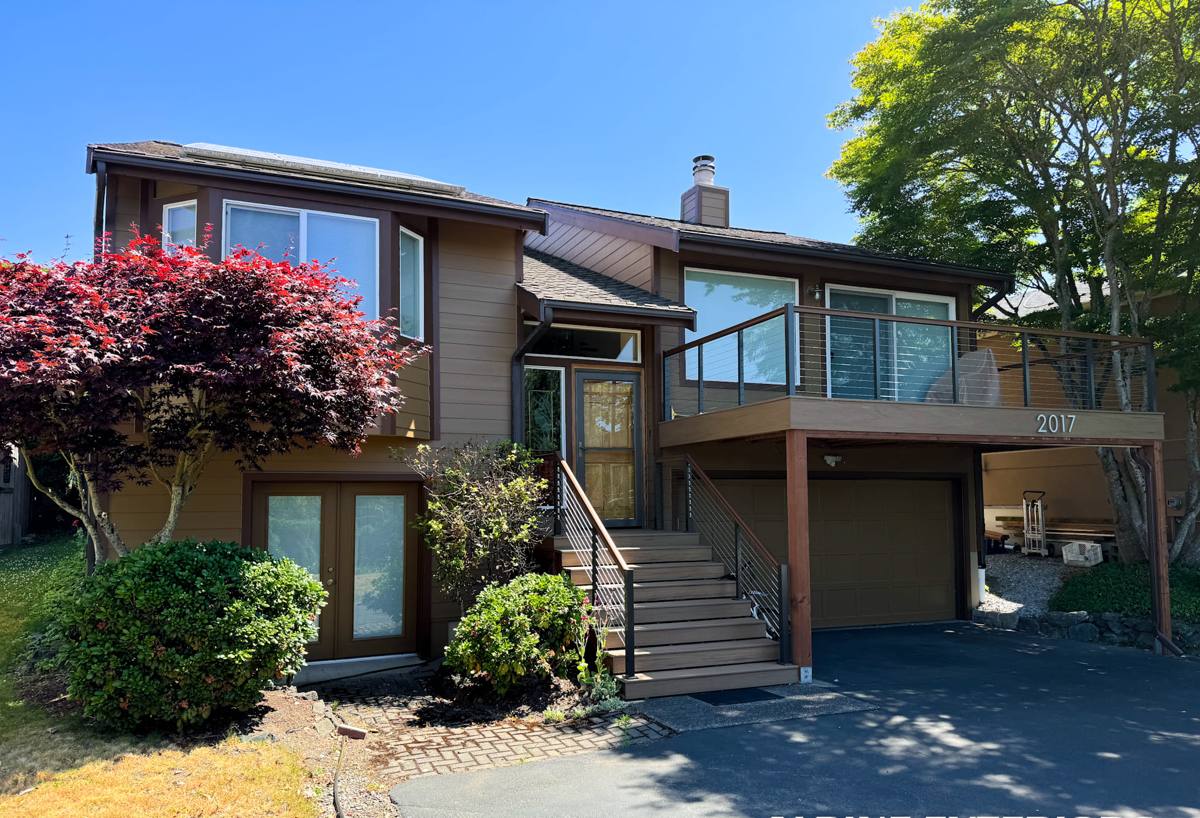
What Storm Damage Actually Looks Like on a Safety Harbor Roof
Not all storm damage announces itself with a missing shingle you can see from the driveway. Some of the most costly damage is the kind that sits quietly for months, letting water into the deck and framing before anyone notices a stain on the ceiling. Homeowners in Safety Harbor should know the difference between damage that's obvious and damage that requires a trained eye.
Signs worth a closer look
- Shingles that are cracked, curling, or missing entirely, especially on the roof faces that took the brunt of the wind
- Granule loss showing up as dark grit in gutters or at downspout exits after a storm
- Lifted or bent flashing around chimneys, skylights, and roof-to-wall intersections
- Soft spots or slight sagging when walking the roof, which usually means the decking underneath has absorbed water
- Water stains or discoloration on interior ceilings, especially near exterior walls or valleys
- Debris impact marks — dents or bruising on shingles or metal panels from wind-blown branches or roofing granules dislodged
- Gutters pulling away from the fascia, which often happens alongside roof-edge damage
- Visible daylight through the attic decking, a clear sign of a breach that needs immediate attention
Because wind-driven rain doesn't fall straight down here, water can get pushed sideways under shingles, around vent boots, and through fastener holes that would stay dry in a calmer rainstorm. That's why a surface-level look often misses real damage — a proper inspection has to go past what's visible from the ground.
What a Correct Storm Damage Repair Involves
Full inspection, not a drive-by estimate
We walk the roof, not just the ground. That means checking the field of the roof, all penetrations (vents, stacks, skylights), valleys, flashing, and the roof edge where wind uplift does the most damage. We also check the attic from the inside, because water intrusion often shows up on the underside of the decking before it ever reaches the ceiling drywall.
Decking assessment
If water has gotten under the roofing material, the plywood or OSB decking underneath may be soft, delaminated, or rotted. Any repair that skips this step and just replaces the surface layer over compromised decking is a repair that won't hold. We identify and replace any damaged decking before anything new goes back on top.
Underlayment and moisture barrier
The underlayment is the roof's real waterproofing layer — shingles are the first line of defense, but underlayment is what keeps a roof dry if wind lifts a shingle edge during the next storm. Given how often Safety Harbor sees wind-driven rain, we don't cut corners here. Damaged sections get replaced with underlayment rated for the exposure, not just whatever's cheapest.
Flashing repair or replacement
Flashing failures are one of the most common causes of repeat leaks after a storm "repair." Chimney flashing, valley flashing, and wall flashing all move slightly with the structure over time, and salt air accelerates corrosion on lower-grade metal. We replace flashing that's bent, rusted, or no longer sealing properly rather than just caulking over it, which is a short-term fix that fails again within a season or two.
Matching materials correctly
Shingle color runs and profiles change over the years, so a patch repair on an older roof doesn't always match perfectly. We're upfront with homeowners about when a repair will blend in well and when a slightly visible seam is the honest trade-off of repairing versus a full re-roof. We never promise an invisible match we can't deliver.
Our Process, Start to Finish
- Initial call and scheduling — We ask what happened, when, and what you're seeing (leaks, missing shingles, visible damage) so we can bring the right materials on the first visit.
- On-site inspection — We walk the roof and check the attic, documenting damage with photos for both our records and any insurance claim you may file.
- Written scope and estimate — You get a clear breakdown of what needs repair, what it involves, and a real price range before any work starts. No vague verbal quotes.
- Temporary protection if needed — If there's an active leak or exposed decking, we can tarp or dry-in the area to stop further water intrusion while repairs are scheduled.
- Repair work — Decking, underlayment, flashing, and roofing material are addressed in that order, since each layer depends on the one below it being sound.
- Final walkthrough — We show you the completed work and explain exactly what was done and why, in plain terms.
Repair or Replace? How We Decide
Not every storm-damaged roof needs full replacement, and not every roof can be safely patched. The right call depends on the roof's age, how widespread the damage is, and what condition the decking is in underneath. Here's the general logic we use when evaluating a Safety Harbor roof after a storm:
| Factor | Repair Usually Sufficient | Replacement Usually Needed |
|---|---|---|
| Roof age | Under 10-12 years, in otherwise good condition | Nearing or past the material's expected service life |
| Extent of damage | Isolated to one section or slope | Spread across multiple roof planes |
| Decking condition | Solid, dry, no rot found | Widespread soft spots or rot found during inspection |
| Shingle/material match | Close match available, or mismatch is cosmetically acceptable | Discontinued material or unacceptable visible patchwork |
| Prior repair history | First storm-related issue on this roof | Recurring leaks or repairs in the same areas |
| Insurance scope | Adjuster's scope supports targeted repair | Adjuster's scope or damage extent supports full replacement |
We'll tell you plainly which category your roof falls into and why, including when a repair is the smarter financial move even though replacement might seem like the "safer" choice. We don't upsell a full roof when a proper repair will genuinely hold.
Materials That Hold Up Near the Bay
Salt air is corrosive to unprotected metal fasteners and lower-grade flashing, and it accelerates the breakdown of poor-quality sealants. For storm repairs on homes near Old Tampa Bay, we use corrosion-resistant fasteners and flashing rated for coastal exposure rather than standard-grade materials meant for inland installs. It costs a little more up front, but it's the difference between a repair that lasts through the next several storm seasons and one that needs to be redone in two years.
UV exposure is the other factor most homeowners underestimate. Pinellas County gets intense sun nearly year-round, and that constant UV load dries out and embrittles roofing materials faster than the manufacturer's rated lifespan often assumes for milder climates. When we repair a section of roof, we account for the fact that the surrounding shingles have already been through more UV cycling than the same age roof would see up north — which affects how we blend repairs and what we recommend for the roof's remaining service life.
Insurance Claims and Documentation
Most storm damage repairs in this area involve an insurance claim, and how the damage is documented matters as much as the repair itself. We photograph and describe damage in the terms adjusters actually use, and we can walk the roof with your adjuster if that's helpful. A few things worth doing on your end:
- Photograph visible damage yourself as soon as it's safe to do so, before any cleanup
- Keep a written record of the storm date and what you noticed and when
- Get a professional inspection promptly — insurers can dispute claims filed long after a storm
- Avoid signing anything that assigns your insurance benefits to a contractor before you understand what it means
- Ask for a written scope of work, not just a verbal repair plan, for your claim file
We're not a public adjuster and we don't negotiate your policy for you, but we provide the documentation and honest assessment that make your own claims process smoother.
Why Local Experience in Safety Harbor Matters
A roofing crew that mainly works other parts of the state doesn't necessarily know how differently a bay-adjacent roof ages compared to one further inland. We work Safety Harbor and the surrounding Pinellas County communities regularly, which means we know what a roof exposed to this specific mix of salt air, UV, and storm wind typically needs by year five, ten, and fifteen. That local pattern recognition is part of what makes an inspection accurate instead of generic.
It also means faster response after a storm. When wind or hail damage hits a neighborhood, being local lets us get eyes on a roof and a tarp up quickly if needed, rather than a homeowner waiting days for an out-of-town crew to work through a long list of towns.
After the Repair: Protecting Your Investment
A good storm repair should extend your roof's life, not just patch a visible problem. A few habits help homeowners in this climate get the most out of both original roofing and repaired sections:
- Have the roof visually checked after any significant storm, even if nothing looks obviously wrong from the ground
- Keep gutters and downspouts clear so water isn't backing up under the roof edge
- Trim back tree limbs that could impact the roof in high wind
- Watch for granule buildup in gutters as an early sign of shingle wear
- Schedule a roof inspection roughly every year or two as routine maintenance, not just after damage occurs
If you've had storm damage to your roof, or you're not sure whether what you're seeing is cause for concern, we're happy to take a look. Reach out for a free, no-pressure estimate using the form below — we'll give you an honest read on what your roof needs and why.