 Largo Window
 Why Seminole Homes Need Siding Built for This Climate
Seminole sits in one of the more demanding exterior-building environments in the country. Homes here deal with sustained hurricane-force wind loads during storm season, intense year-round UV exposure that most northern siding products were never engineered to survive, wind-driven rain that gets pushed sideways into every seam and joint, and a steady dose of salt air rolling in off the Gulf. Any one of those conditions will shorten the life of the wrong siding material. Together, they do it fast.
Seminole's location, just a short drive from the Gulf beaches, means the salt content in the air here is higher than it is a few miles further inland — which is part of why fastener choice and trim detailing matter just as much as the siding board itself.
That combination is why we treat fiber cement siding installation in Pinellas County differently than a contractor working in a milder climate would. The product has to be right, and the installation has to be exact — because in Seminole, shortcuts in either category show up within a few storm seasons, not a few decades.
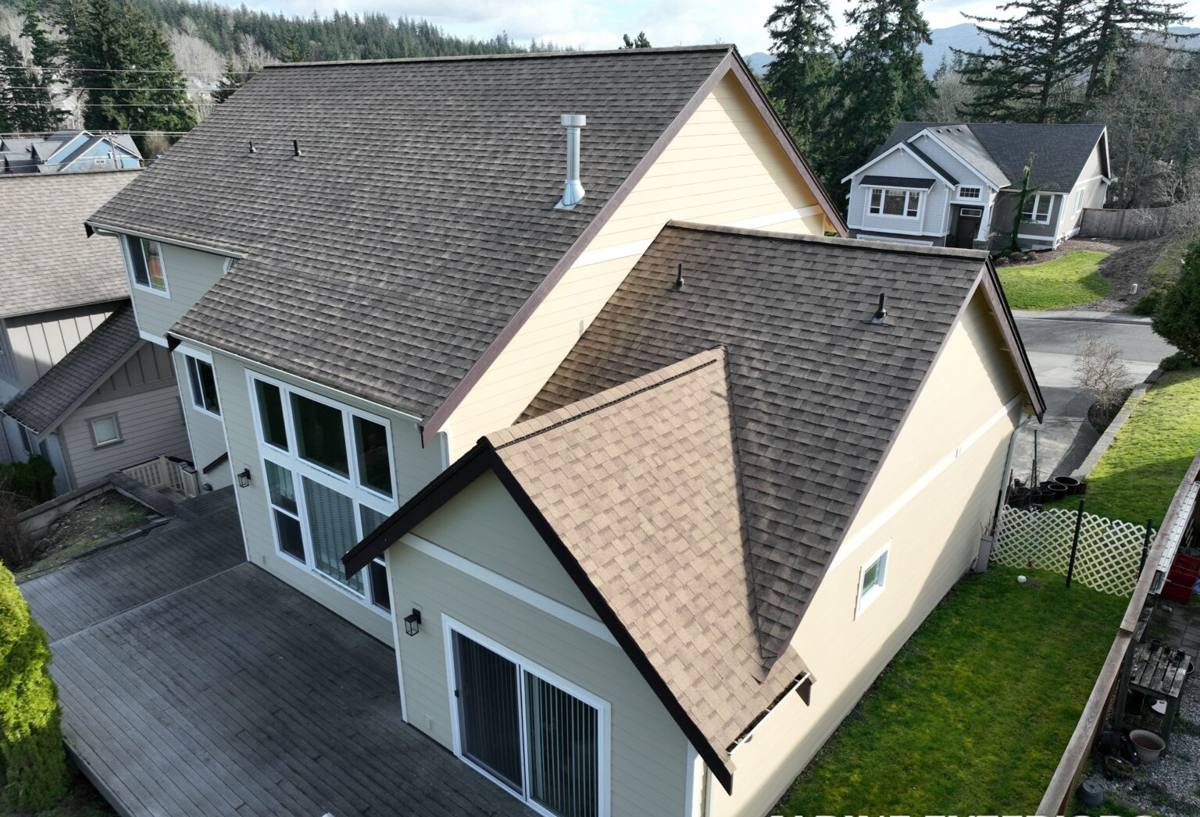
What Correct Fiber Cement Siding Installation Actually Involves
Fiber cement is only as good as the installation behind it. James Hardie engineers every product line to a manufacturer specification, and that spec is written with wind, water, and expansion in mind — not just appearance. A correct install follows it to the letter.
Fastening and Clearances
Fasteners have to hit framing at the spacing and depth the manufacturer requires, not just "close enough." Undriven or overdriven nails create weak points that wind uplift will find first. Siding also needs proper clearance from the roofline, decks, and grade — tight clearances trap moisture against the bottom edge of the board, and that's where rot and paint failure start, regardless of how good the siding itself is.
Flashing and Moisture Management
Wind-driven rain in a coastal storm doesn't fall straight down — it gets forced sideways and upward into every window head, door, and butt joint on the wall. Correct flashing at those penetrations, along with a properly lapped weather-resistive barrier behind the siding, is what keeps that water moving out instead of into the wall assembly. This step is invisible once the job is finished, and it's also the step that matters most in this climate.
Joints, Caulking, and Finish
Fiber cement expands and contracts with temperature swings, so butt joints need the right gap and the right sealant — not just caulk smeared over a tight seam. On ColorPlus finished boards, field-cut edges get factory-matched touch-up so the finish stays uniform and the factory warranty on that finish stays intact.
Why We Install Only James Hardie Fiber Cement
We don't install LP SmartSide, vinyl, Cemplank, Allura, or primed wood siding, and that's a deliberate standard, not a lack of options. James Hardie is the fiber cement we trust to hold up to Pinellas County's climate: it's non-combustible, it's manufactured in HZ product lines engineered for high-humidity, high-moisture regions, and the ColorPlus factory finish is baked on under conditions no field-applied paint job can match — which matters when sun exposure here is intense for most of the year. Hardie also backs its products with a strong, transferable warranty, which carries real value on a home you may eventually sell.
James Hardie engineers its HZ5 product line specifically for high-humidity, high-moisture climates like Florida's, which is a large part of why we don't treat it as interchangeable with fiber cement products built to a more generic national spec. That doesn't mean every other fiber cement product is junk — it means we've made a professional judgment call about which system gives Seminole homeowners the best combination of durability, finish quality, and warranty protection, and we'd rather install one product exceptionally well than spread ourselves across several.
Fiber Cement vs. Other Siding Materials in Pinellas County's Climate
Homeowners comparing siding materials for a Seminole home are usually weighing fiber cement against vinyl or engineered wood. Here's how they stack up against the conditions this area actually produces:
| Factor | Vinyl Siding | Engineered Wood (LP-Type) | James Hardie Fiber Cement |
|---|---|---|---|
| Wind resistance | Can crack, warp, or blow off in high gusts | Holds up structurally but seams are vulnerable | Rated and tested for high-wind installation |
| UV / fade resistance | Fades and becomes brittle over years of Florida sun | Painted finish fades and needs recoating | ColorPlus factory finish resists fading |
| Moisture / rot risk | Doesn't rot, but traps moisture behind panels | Wood-based core is vulnerable if moisture gets in | Non-organic core doesn't rot |
| Salt air exposure | Can chalk and discolor over time | Finish breaks down faster near salt air | Engineered to hold finish in coastal conditions |
| Fire rating | Combustible | Combustible | Non-combustible |
Fiber cement isn't the cheapest option on the shelf, and we won't pretend otherwise. It's the option that's still doing its job after the next several storm seasons, which is the only comparison that matters on a home you plan to keep.
Our Installation Process, Start to Finish
Every Seminole siding project follows the same sequence, whether it's one wall or a full re-side:
- On-site evaluation of the existing siding, sheathing, and any moisture damage hiding underneath it
- Written estimate that spells out the product line, color, and scope — no vague allowances
- Removal of old siding and inspection of the sheathing and framing before anything new goes up
- Repair of any rotted or water-damaged framing found during removal
- Installation of a properly lapped weather-resistive barrier and correct flashing at every penetration
- Hardie board installation to manufacturer fastening and clearance specs
- Factory-matched finishing of trim, joints, and cut edges
- Final walkthrough so you can see the work before we consider the job done
Signs Your Seminole Home's Siding Needs Attention
Because storm exposure and UV damage build up gradually, a lot of siding problems go unnoticed until they're expensive. Watch for:
- Soft or spongy spots when you press on the siding, especially near the bottom courses
- Visible warping, buckling, or gaps opening up at butt joints
- Paint that's peeling, bubbling, or chalking well ahead of schedule
- Rising energy bills with no other obvious cause — a sign the wall assembly behind the siding may be compromised
- Water stains or discoloration on interior walls near exterior corners
- Visible fastener heads working loose or backing out of the siding
- Increasing pest activity around gaps or damaged sections
If any of that sounds familiar, it's worth having someone look at it before the next storm season rather than after.
What Drives the Cost of a Fiber Cement Siding Project
Every home is different, so we don't publish blanket pricing — but the same handful of factors move the number up or down on almost every estimate:
| Factor | Effect on Cost |
|---|---|
| Total square footage of wall area | Primary driver of material and labor cost |
| Removal and disposal of existing siding | Adds labor and disposal cost, especially with hidden damage |
| Extent of sheathing or framing repair needed | Can add meaningfully if moisture damage is found underneath |
| Trim complexity (corners, gables, dormers) | More cuts and detail work increases labor time |
| Number of stories | Height adds equipment and safety requirements |
| Product line and profile selected | Different Hardie lines and plank widths carry different material costs |
| Color — ColorPlus vs. primed for field paint | Factory finish changes upfront cost but reduces long-term maintenance |
The only way to get an accurate number is a written estimate based on your specific home — which is why we start every project with one.
Why a Crew That Already Works in Seminole Matters
Fiber cement installation isn't complicated in theory, but doing it correctly in Pinellas County's climate takes local familiarity — knowing how to detail a home for wind-driven rain, understanding the wind-load and clearance expectations local inspectors look for, and having handled the moisture and rot issues that show up specifically in homes exposed to salt air. A crew that's worked across Seminole and the surrounding Largo area has already seen how these homes age in this climate, and that experience shows up in the small decisions — flashing details, fastener choices, joint placement — that a generic install misses.
Permits and Wind-Load Compliance
Siding work in Pinellas County isn't just a matter of picking a color and nailing boards to a wall — it falls under Florida Building Code wind-load requirements, and most full re-side projects require a permit and inspection. A crew that pulls the correct permit, follows the wind-load fastening schedule for your specific home, and gets the work inspected is protecting you twice: once from a bad install, and again down the road when you go to sell the home and a buyer's inspector checks the permit history against what's on the exterior. It isn't paperwork for its own sake — it's part of what makes the siding perform the way it's rated to when a real storm hits.
It also matters for accountability. A local crew with a track record in this specific area is easier to hold to their work, and easier to call back if a question comes up after the job is done.
Maintenance and Long-Term Care in a Coastal Climate
One of the real advantages of James Hardie fiber cement over other materials in this climate is how little ongoing maintenance it demands when it's installed correctly. It won't rot, it resists pest damage, and the ColorPlus finish holds its color far longer than a field-applied paint job. That said, no siding in a salt-air, high-UV environment is maintenance-free. A simple annual rinse to clear off salt residue and pollen, a periodic check of caulking at joints and trim, and prompt attention to any physical damage from storm debris will keep a correctly installed system performing for decades rather than years.
Good gutters and proper grading also do their part — keeping roof runoff and yard drainage away from the base of the wall reduces the amount of standing moisture the bottom courses of siding have to deal with over time.
If your Seminole home's siding is showing its age, or you're planning ahead of the next storm season, we're happy to take a look and put together a free, no-pressure estimate — no obligation, just an honest read on what your home actually needs.