 Largo Window
 Why Seminole Roofs Wear Out Faster Than Roofs Inland
Seminole sits close enough to the Gulf that every roof in the area is doing more work than a roof in a landlocked town would ever have to do. It isn't one thing wearing a roof down — it's several forces working on it at the same time, year after year, until small weaknesses turn into leaks. Understanding those forces is the starting point for any repair that's actually going to hold up.
Wind-Driven Rain and Uplift
Pinellas County sees tropical systems and strong seasonal storms that push rain sideways, not straight down. Wind-driven rain finds its way under shingle edges, around flashing laps, and into any gap that a calm-weather rain would never reach. Add gusts strong enough to lift shingle tabs or shift tiles, and you get small openings that let water travel far from where the actual damage started. A leak that shows up on a ceiling is often coming from a spot several feet away on the roof deck — which is why guesswork repairs so often fail to actually stop the problem.
Intense UV, Heat Cycling, and Salt Air
Florida sun is hard on roofing materials nearly every month of the year. UV exposure breaks down asphalt shingle oils and rubberized sealants, making them brittle and prone to cracking. Daily heat cycling — roofs baking in the afternoon sun and cooling overnight — stresses seams, flashing, and fasteners over and over. On top of that, the salt content in coastal air accelerates corrosion on exposed metal: nails, flashing, drip edge, and vent boots all age faster near the coast than they would inland. None of this means a Seminole roof is doomed — it means repairs need to account for materials that are already working under more stress than average.
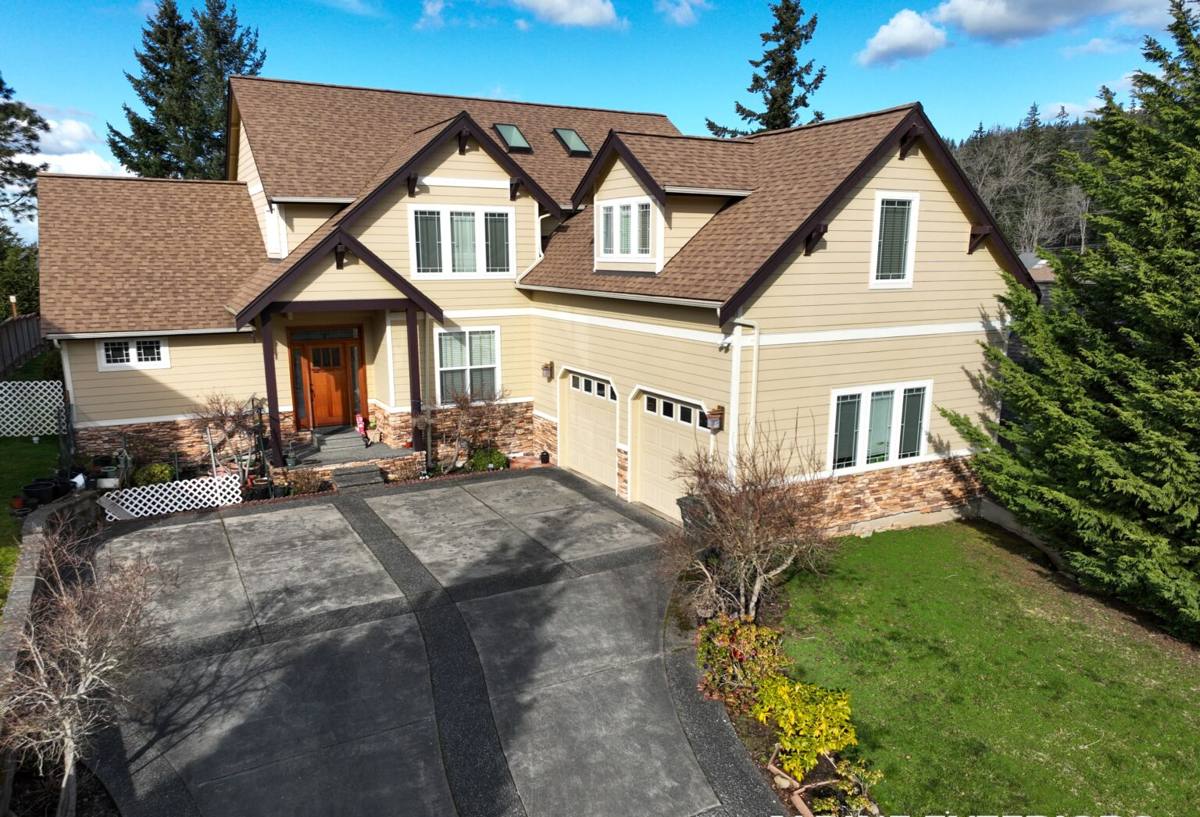
Common Roof Repair Issues We See on Seminole Homes
Most of the repair calls we handle in this area fall into a handful of categories. Recognizing which one applies to your roof helps set realistic expectations for the scope of work.
- Lifted, cracked, or missing shingles after a windstorm, often concentrated on one roof face that took the brunt of the gusts
- Cracked, slipped, or broken tiles on tile roofs, usually from wind, foot traffic, or debris impact
- Flashing failures around chimneys, skylights, plumbing vents, and roof-to-wall junctions, where two materials meet and rely on a mechanical seal rather than the roofing material itself
- Leaks over flat or low-slope sections, common on additions, lanai roofs, and porch extensions where ponding water and aged membrane seams cause slow, hard-to-trace leaks
- Soffit and fascia damage from trapped moisture that's been venting out at the eaves for longer than anyone noticed
- Granule loss and brittle shingles from UV exposure, which shows up as bald patches and increased vulnerability to the next wind event
What a Correct Roof Repair Actually Involves
A roof repair that's done right isn't just about covering the spot where water is currently getting in. It's about tracing the actual path water is taking, understanding why the original material or installation failed, and fixing it in a way that won't just move the problem a few feet over. Because Seminole roofs already deal with wind, UV, and salt air stress, a shortcut repair here fails faster than the same shortcut would somewhere with milder weather.
Here's what we consider non-negotiable on any repair we perform:
- Locate the actual entry point — not just the visible damage, which is often downstream from the real source
- Inspect the roof deck underneath the damaged area for rot or soft spots before closing anything back up
- Check underlayment condition in the repair zone, not just the surface material
- Match materials as closely as possible in type, profile, and where reasonable, color and age, so the repair blends and performs like the surrounding roof
- Reseal and re-flash penetrations correctly rather than relying on caulk or sealant as a standalone fix
- Confirm the repair meets current wind-resistance fastening practices for the material type
- Photograph the damage and the completed repair for your records, especially if an insurance claim is involved
Repair or Replace? How We Help You Decide
Not every roof problem calls for a full replacement, and not every leak can be permanently solved with a patch. The right call depends on a few honest factors, which we walk through with you before recommending either path.
| Factor | Leans Toward Repair | Leans Toward Replacement |
|---|---|---|
| Roof age | Well within expected material lifespan | At or past the material's typical service life |
| Damage extent | Isolated to one area or a few penetrations | Spread across multiple roof faces |
| Repair history | First or second repair on this roof | Recurring repairs in different spots over time |
| Deck condition | Solid, no rot found during inspection | Soft spots or rot found in multiple areas |
| Material availability | Matching material still available | Discontinued profile or color, poor match likely |
We'll never push a replacement on a roof that just needs a solid, targeted repair — and we'll tell you plainly if a repair is only going to buy you a season or two before you're looking at bigger problems.
Our Roof Repair Process for Seminole Homes
Inspection and Diagnosis
We start on the roof, not on a ladder guessing from the ground. That means checking the specific area of concern as well as the rest of the roof for related wear — since wind and UV damage rarely stay isolated to one spot forever.
Honest Scope and Written Estimate
You get a clear explanation of what's actually wrong, what it will take to fix it correctly, and a written estimate before any work starts. No pressure, no upsell into a full replacement unless the roof genuinely warrants it.
The Repair Itself
We remove and replace damaged material back to sound decking, correct any underlayment or flashing issues in that section, and reinstall using fastening and sealing methods suited to the wind exposure this area actually experiences.
Cleanup, Documentation, and Warranty
Job site debris and old material are cleared away, and you get documentation of the work performed — useful for your own records and for insurance purposes if the damage was storm-related.
Roofing Materials We Work With
Seminole's housing stock includes a mix of roof types, and each one has its own repair considerations near the coast.
Asphalt Shingle
The most common roofing material in the area. Shingle repairs are usually straightforward when matching material is available, but UV-aged shingles nearby can be brittle enough that tying in new shingles requires extra care to avoid cracking the old ones.
Tile
Concrete and clay tile roofs hold up well against UV, but individual tiles crack or slip from wind and impact. Tile repair is as much about not damaging surrounding tiles while walking the roof as it is about the fix itself — this is one area where experience really shows.
Metal
Metal roofing resists wind well, but coastal salt air accelerates corrosion at fasteners, seams, and cut edges over time. Repairs here often focus on failed sealant at penetrations and fastener replacement rather than panel damage.
Flat and Low-Slope Sections
Common on additions and lanai roofs. Modified bitumen and similar membrane systems fail at seams and around penetrations first. These repairs require the membrane to be properly heat- or adhesive-sealed, not just patched with roofing cement, which is a short-term fix at best.
Storm Damage and Insurance Considerations
If your roof damage followed a windstorm, documentation matters. We photograph and describe the damage we find in plain terms, which can support a claim if you choose to file one. We don't make promises about what an insurer will or won't approve — that decision belongs to the adjuster and your policy terms — but a clear, honest repair record makes that conversation easier on your end. We're also glad to point out damage that's cosmetic versus damage that affects the roof's actual performance, so you're making decisions based on function, not just appearance.
Why a Crew That Already Works in Seminole Matters
Roofing here isn't the same trade as roofing somewhere without hurricane exposure or salt air. A crew that regularly works Pinellas County roofs already knows what wind uplift damage typically looks like on this coast, how salt air ages fasteners and flashing faster than manufacturer literature might suggest, and what a proper repair needs to hold up through the next storm season — not just look fine until then. That local pattern recognition is what separates a repair that lasts from one that reopens the same leak a year later.
If you're dealing with a leak, storm damage, or a roof section that's just not holding up the way it should, we're happy to take a look and give you a straight answer about what it needs. Reach out for a free, no-pressure estimate using the form below.