 Largo Window
 Siding Repair That Understands Seminole's Weather
Seminole sits in the thick of Pinellas County, close enough to the Gulf that salt air, humidity, and storm winds are part of daily life for every home in the area. Siding here doesn't fail because homeowners neglect it — it fails because Florida throws more at exterior materials in a single year than most parts of the country see in five. When siding starts to crack, gap, or discolor in Seminole, the cause is almost always tied to the same handful of climate stresses, and a repair that doesn't account for them won't hold.
This page is about one job: repairing siding on homes in and around Seminole. Not a full remodel, not a generic national explainer — the specific work of finding what's actually wrong with a section of siding, fixing it correctly, and making sure the fix survives the next hurricane season instead of becoming a callback.
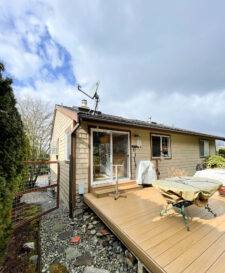
What Pinellas County Weather Does to Siding
Intense, Year-Round UV
Florida sun is stronger and more consistent than almost anywhere else in the continental U.S. Paint films chalk and fade, caulk joints dry out and lose their flexibility, and some siding materials — particularly engineered wood and certain composite products — can start to break down at the surface level years before a homeowner expects. UV damage rarely announces itself with a single crack; it shows up as a slow loss of color and flexibility that eventually lets water in.
Wind-Driven Rain
Seminole doesn't just get rain — it gets rain pushed sideways by wind, which finds every unsealed seam, loose panel edge, and gap around trim or penetrations. Siding systems are designed to shed water when they're intact and properly lapped, but once a seam opens or a fastener works loose, wind-driven rain will drive moisture behind the siding instead of off of it.
Salt Air
Even homes that aren't waterfront pick up salt content in the air this close to the Gulf. Salt accelerates corrosion on fasteners, trim, and any exposed metal flashing, and it can contribute to premature wear on certain siding finishes. Repairs that reuse corroded fasteners or skip corrosion-resistant hardware tend to fail again quickly.
Hurricane-Force Wind Stress
Every storm season puts real mechanical stress on siding — panels flex, fastener holes elongate, and seams that were marginal to begin with get pushed past their limit. A lot of the repair calls we see in Seminole aren't from a single dramatic storm; they're the accumulated result of several seasons of wind stress finally showing up as loose or damaged sections.
Signs Your Seminole Home Needs Siding Repair
- Cracked, split, or buckled panels, especially near corners and seams
- Soft or spongy spots when you press on the siding — a sign of moisture behind it
- Paint that's bubbling, peeling, or chalking heavily in one area but not others
- Visible gaps or separation at panel joints, window trim, or corner boards
- Streaking, dark staining, or persistent mildew growth in the same spots
- Panels that flex, rattle, or have visibly pulled away from the wall
- Insect activity or soft, crumbling wood behind or under trim pieces
- A noticeable rise in one room's humidity or a musty smell along an exterior wall
Any one of these can be isolated and minor. Several appearing together, especially on the same wall, usually points to a moisture problem that's been developing behind the surface for a while.
What a Correct Siding Repair Actually Involves
Diagnosing the Cause, Not Just the Symptom
Replacing a cracked panel without figuring out why it cracked is a temporary fix. A correct repair starts with finding out whether the damage is surface-level (UV, impact, aging caulk) or whether it's a symptom of something behind the siding — a compromised house wrap, a flashing detail that was never sealed right, or trapped moisture that's been degrading the wall assembly for longer than the visible damage suggests.
Checking What's Behind the Siding
Any time we open up a damaged section, we look at the water-resistive barrier, the flashing around windows, doors, and penetrations, and the condition of the sheathing underneath. In Seminole's climate, it's common to find that the siding itself was only the first thing to fail — the real problem is a flashing detail or sealant joint that let water track behind the wall for months or years before it showed up as visible damage.
Matching Material and Profile
Repaired sections need to match the existing siding in profile, exposure, and finish — not just approximately, but closely enough that the repair doesn't stand out as a patch. This is harder with some materials than others, which is part of why we're selective about what we work with.
Proper Fastening and Sealing
Corrosion-resistant fasteners, correctly spaced and set to the manufacturer's specification, and sealant used only where it belongs (siding systems are engineered to shed water, not rely on caulk to keep it out everywhere). Over-caulking is a common shortcut that traps moisture instead of stopping it.
Repair or Replace? How We Help You Decide
Not every siding problem in Seminole needs a full replacement, and not every problem should be patched. The right call depends on a few factors:
| Factor | Leans Toward Repair | Leans Toward Replacement |
|---|---|---|
| Extent of damage | Isolated to one or two sections | Spread across multiple walls or elevations |
| Moisture behind siding | None found on inspection | Present, or sheathing shows rot |
| Age of existing siding | Well within expected service life | Near or past it, especially with wood or engineered wood products |
| Material availability | Matching material and color are readily available | Product discontinued or badly faded relative to new material |
| Underlying cause | Isolated impact or fastener failure | Systemic issue — flashing, drainage plane, or original installation defects |
We'll always tell you honestly which side of this table your home falls on. A repair that's likely to fail again within a couple of seasons isn't a service worth selling, and we'd rather walk you through the real trade-offs than talk you into more work than you need — or less than you need.
Why We Repair — and Recommend — James Hardie Fiber Cement
We only install James Hardie fiber cement siding, and that standard shapes how we approach repairs too. Fiber cement doesn't absorb and swell with moisture the way wood and some engineered wood products do, it's non-combustible, and Hardie's ColorPlus factory finish is formulated to hold color and resist Florida's UV load far better than field-applied paint. When a repair calls for new material, matching into an existing Hardie installation is far more consistent than trying to match discontinued vinyl profiles or weathered LP SmartSide panels, which fade and texture differently as they age.
We don't install vinyl, LP SmartSide, Cemplank, Allura, or primed wood siding, and we're upfront about why: these products each carry real trade-offs in this climate — moisture sensitivity, edge-swelling, color and warranty differences, or installation tolerances that are easy to get wrong — that we're not willing to build a repair or replacement around. If your home currently has one of these products, we'll still give you an honest assessment of what a repair involves; we just won't pretend it's the product we'd choose for a Seminole roofline ourselves.
Our Repair Process
- On-site inspection. We look at the damaged area and the surrounding siding, not just the spot you called about.
- Moisture and structural check. Where damage suggests water intrusion, we check what's behind the siding before quoting anything.
- Written scope and options. You get a clear explanation of what's actually wrong, what repair involves, and whether replacement makes more sense for that section.
- The repair itself. Correct materials, correct fastening, correct flashing and sealant details — not just a patch over the visible crack.
- Final walk-through. We confirm the repair blends in, is properly sealed, and address any related issues we found along the way.
Why It Matters That We Already Work in Seminole
A contractor who works regularly in Seminole and greater Largo already knows the practical details that affect a repair: how Pinellas County and local permitting requirements apply to exterior work, what HOA guidelines commonly look like in the area's established neighborhoods, and how to schedule work around Florida's storm season instead of getting caught mid-repair when a system rolls in. That local familiarity isn't a marketing line — it's the difference between a repair that goes smoothly and one that gets delayed by a permit issue or a mismatched material order nobody caught in advance.
It also means we're not guessing at what Seminole's climate does to siding over time. We see the same UV fading patterns, the same wind-driven rain intrusion points, and the same salt-air fastener corrosion on repair calls throughout the area, and that pattern recognition helps us diagnose your specific problem faster and more accurately.
Get an Honest Look at Your Siding
If your Seminole home has cracked, damaged, or aging siding, we'll come take a look, tell you honestly whether it's a repair or a replacement situation, and explain exactly what we'd do and why. No pressure, no inflated scope — just a straight assessment from a crew that works this area and stands behind James Hardie fiber cement. Use the form below to request your free estimate.