 Largo Window
 Why Seminole Siding Wears Out Faster Than the National Average
Seminole sits in Pinellas County, close enough to the Gulf that salt-laden air is a daily fact of life, not an occasional coastal event. Add in Central Florida's intense year-round UV exposure, summer humidity that never really lets up, and the wind-driven rain that comes with every strong storm off the Gulf, and you have a climate that is genuinely hard on exterior building materials. Siding here doesn't fail because homeowners neglect it — it fails because it was never engineered for this combination of heat, moisture, and salt in the first place.
That's the starting point for any honest conversation about siding replacement in Seminole. The product and the installation method both matter, and cutting corners on either one shows up as a problem within a few years, not a few decades.
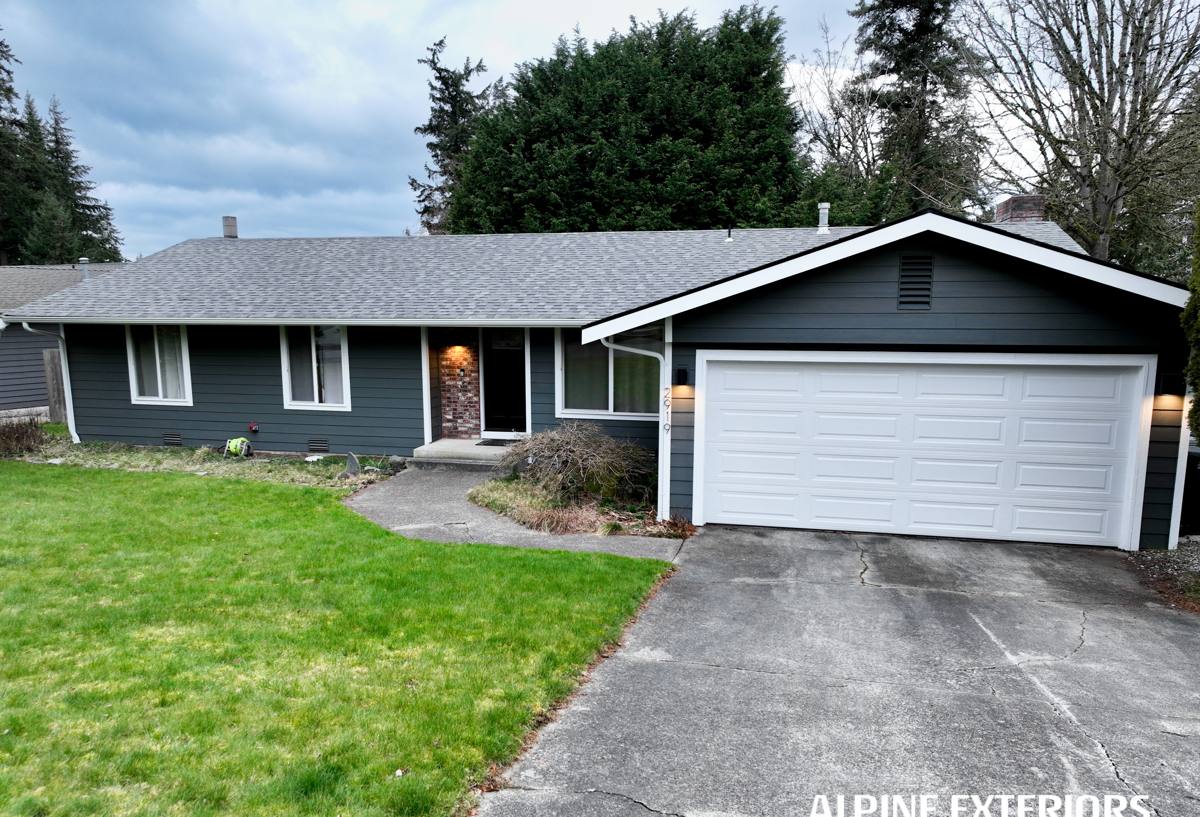
Signs a Seminole Home Needs Siding Replacement
Most homeowners call us after noticing one or two of these issues, but by the time siding shows visible damage, moisture has usually been getting behind it for a while. Common signs we see on Seminole homes include:
- Soft or spongy spots when you press on the siding, especially near the bottom courses or around windows
- Paint that's bubbling, peeling, or needs repainting far more often than it should
- Visible warping, buckling, or panels pulling away from the wall
- Cracks or splits, particularly after a hard freeze-thaw cycle is not the concern here — it's more often storm impact or age-related brittleness
- A musty smell or discoloration on interior walls that share an exterior wall line
- Rust streaking from nails or fasteners bleeding through the surface
- Visible gaps at seams, corners, or trim where caulking has failed
Any one of these on its own might be a spot repair. Several at once, or damage spread across multiple walls, usually means the underlying material or the original installation has reached the end of its useful life.
What Correct Siding Replacement Actually Involves
Siding replacement is not just removing old panels and nailing up new ones. Done correctly, it's a system, and every layer matters — especially in a climate where wind-driven rain will find any gap you leave.
Full Tear-Off, Not Overlay
We remove existing siding down to the sheathing rather than installing new siding over old. Overlaying traps moisture that's already behind the old material and hides rot that needs to be addressed, not covered up.
Sheathing Inspection and Repair
Once the old siding is off, we inspect the wall sheathing for water damage, soft spots, and rot. Any compromised sheathing gets replaced before anything new goes up — installing new siding over damaged sheathing just resets the clock on the same failure.
Weather-Resistive Barrier
A properly lapped and sealed weather-resistive barrier goes over the sheathing. This is the layer that actually keeps wind-driven rain from reaching your wall assembly if water gets past the siding itself, which it eventually will at some point in the life of any exterior.
Flashing at Every Penetration
Windows, doors, hose bibs, vents, and any other wall penetration need proper flashing integrated with the weather barrier. This is the detail work that separates a siding job that lasts from one that develops leaks within a few years — and it's also the step that gets rushed on lowball jobs.
Manufacturer-Spec Fastening and Clearances
Fiber cement siding has specific fastening patterns, nail penetration depths, and ground clearance requirements. Installing it like vinyl or wood — which is a common shortcut — voids the warranty and invites moisture problems at the bottom edge, exactly where Seminole homes see the most exposure from lawn irrigation, ground moisture, and storm runoff.
Why We Install Only James Hardie Fiber Cement
We don't install vinyl, LP SmartSide, primed wood, or other fiber cement brands. That's a deliberate standard, not a sales pitch, and it comes down to how these products actually perform in a Gulf Coast climate over time.
Vinyl softens and warps under sustained UV and heat, and it has no real structural rigidity — a strong gust off the Gulf can flex or pop panels loose. Wood-based and engineered wood products are organic materials at their core, and no coating fully stops moisture absorption once the surface is compromised, which is a real risk in a climate this humid. Other fiber cement brands vary in formulation, finish quality, and warranty structure, and we'd rather stand behind one product system we know inside and out than juggle installation specs across several.
James Hardie fiber cement is non-combustible, dimensionally stable in heat and humidity, and available in HZ5 formulations engineered specifically for climates like ours. The ColorPlus factory finish is baked on under controlled conditions, which holds up to UV and salt air far better than field-applied paint. That combination — plus a strong transferable warranty when installed by a certified crew — is why it's the only siding we put on homes.
Siding Material Comparison for Coastal Pinellas County
| Factor | Vinyl | Wood / Engineered Wood | James Hardie Fiber Cement |
|---|---|---|---|
| UV resistance | Fades and becomes brittle over time | Depends entirely on paint maintenance | Factory ColorPlus finish resists fading |
| Wind resistance | Can flex, crack, or blow off in high gusts | Rigid but fasteners can work loose | Rated for high-wind installation |
| Moisture behavior | Doesn't rot but traps moisture behind it | Absorbs moisture; prone to rot if compromised | Engineered to resist moisture damage |
| Fire rating | Combustible | Combustible | Non-combustible |
| Maintenance | Low, but limited repair options once damaged | Frequent repainting and caulking | Periodic caulk/paint touch-up, no repainting for years |
| Typical lifespan installed correctly | 15–25 years in this climate | 10–20 years with diligent upkeep | 30+ years with proper installation |
Our Process for Seminole Siding Projects
- On-site assessment — we walk the exterior, check current siding condition, and inspect for signs of trapped moisture or sheathing damage
- Scope and product selection — we go over Hardie plank profiles, textures, and colors that fit the home and the neighborhood
- Written estimate — a clear breakdown of materials, labor, and any sheathing repair contingencies before work starts
- Tear-off and sheathing repair — full removal of old siding, replacement of any compromised wall sheathing
- Weather barrier and flashing installation — the moisture-management layer that protects the home long after the siding is up
- Hardie installation to manufacturer spec — correct fastening, clearances, and joint treatment
- Final walkthrough — we review the finished work with you before calling the job complete
What to Ask Before Hiring a Siding Contractor in Seminole
- Are you certified to install the specific product line you're proposing?
- Will you tear off the old siding and inspect sheathing, or install over the existing layer?
- What weather-resistive barrier and flashing details will be used around windows and doors?
- Is the crew doing the physical installation local, or subcontracted out with no accountability?
- What does the manufacturer's warranty require to stay valid, and will the installation meet those terms?
- Can you provide a written scope of work before any deposit changes hands?
What Siding Replacement Costs Depend On
We don't publish flat pricing because every home is different, but the main cost drivers on a Seminole siding job are consistent: total square footage of exterior wall, the number and complexity of corners, windows, and architectural details, whether the sheathing needs repair once old siding comes off, and the Hardie product line and finish selected. Homes with straightforward, single-story elevations and sound sheathing cost less than homes with complex rooflines, multiple stories, or hidden moisture damage that has to be addressed before new siding goes up. We give you a real number after an on-site assessment, not a phone estimate.
Why a Crew That Already Works Seminole Matters
Seminole and the surrounding Largo area have their own mix of home ages, construction styles, and exposure levels depending on proximity to the water and prevailing wind direction. A crew that regularly works this part of Pinellas County has already seen how local sheathing tends to hold up, which wall orientations take the worst of the wind-driven rain, and what flashing details actually stop leaks here versus what a generic install guide assumes. That local pattern recognition shows up in fewer callbacks and a job that's built for the conditions it will actually face, not a textbook climate.
It also means a contractor who's reachable after the job is done — for warranty questions, storm-related follow-up, or just a straight answer if something needs a look years down the road.
If your Seminole home's siding is showing its age or you're planning ahead of hurricane season, we're happy to take a look and give you a straightforward, no-pressure estimate. Use the form below to get started.