 Largo Window
 Window Replacement in Seminole Comes With Its Own Set of Problems
Seminole sits in Pinellas County, close enough to the Gulf that salt air, humidity, and wind-driven rain are part of daily life for every home in the area, whether it's a 1970s block ranch or a newer build near Lake Seminole. Windows here don't fail the way they do in drier, inland climates. They fail from the outside in — seals breaking down from UV exposure, frames corroding from salt in the air, and water finding its way through gaps that were never sealed correctly the first time. A window replacement in Seminole isn't just a cosmetic upgrade. It's a chance to close off the weaknesses that Pinellas County's climate is specifically good at finding.
We work in Seminole regularly, alongside jobs throughout the greater Largo area, and the patterns repeat from house to house: single-pane or early dual-pane windows original to the home, aluminum frames pitted from salt exposure, and caulk lines that gave up years before anyone noticed the leak behind the drywall. None of that is unusual for a coastal Florida home. What matters is replacing those windows with something built to handle the same conditions that wore out the originals.
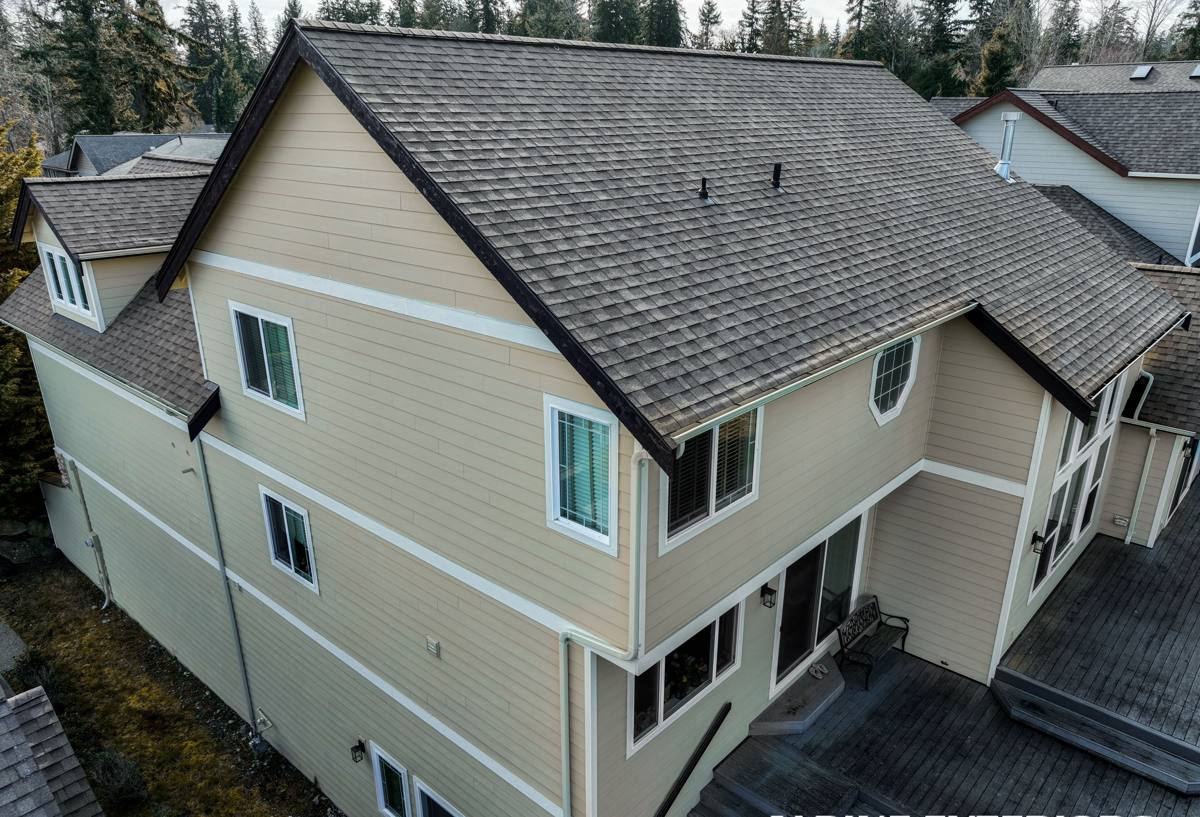
What Pinellas County's Climate Actually Does to a Window
It helps to understand the specific stresses at work, because they shape every recommendation we make.
Hurricane-Force Wind and Pressure
Windborne debris and sudden pressure changes during storms are the reason Florida's building code treats window replacement as a structural decision, not just an aesthetic one. A window that isn't rated for the wind zone it's installed in can fail catastrophically during a storm, and once one opening fails, pressure inside the house can lift the roof structure. This is true anywhere in Pinellas County, but it's worth taking seriously in Seminole given the area's proximity to the Gulf.
Year-Round UV Exposure
Florida's sun doesn't take a season off. Constant UV exposure breaks down vinyl, degrades rubber seals and gaskets, and fades interior finishes faster than in most of the country. Cheaper vinyl frames can warp or discolor within a few years under this kind of exposure.
Wind-Driven Rain
Rain in this region rarely falls straight down. Storms push it sideways, which means flashing, sealant, and the way a window is integrated into the wall opening matter as much as the window unit itself. A perfectly good window installed with poor flashing detail will still leak.
Salt Air
Even set back from the coast, Seminole homes sit close enough to the Gulf that airborne salt accelerates corrosion on hardware, screws, and metal components. Aluminum frames and low-grade fasteners are especially vulnerable over time.
Signs a Seminole Home Needs Window Replacement, Not Just Repair
Not every window problem calls for full replacement, but certain signs point to it clearly:
- Fogging or a visible haze between panes of a dual-pane window — the seal has failed and the insulating gas is gone
- Windows that are difficult to open, close, or lock, especially after humidity swings
- Visible corrosion, pitting, or chalky residue on aluminum frames
- Soft or discolored drywall, trim, or sill areas near a window — a sign water has been getting in
- Noticeable drafts or a spike in cooling costs during summer months
- Frames that are original to a home built before more current wind-load standards were adopted
- Single-pane glass anywhere in the home, which offers little insulation or storm protection
If a window shows one or two of these signs, repair might make sense. If several show up across the house, replacement is usually the more honest recommendation, since patching individual symptoms on old frames tends to just delay the same conversation a year or two down the road.
What a Correct Window Replacement Job Actually Involves
A window replacement is more than swapping one unit for another. Done correctly, it includes several steps that are easy to skip and hard to notice until something goes wrong later:
- Accurate measurement of the existing rough opening, since older homes often have openings that are slightly out of square
- Removal of the old unit without damaging surrounding stucco, siding, or framing
- Inspection of the wall opening for hidden water damage or rot before anything new goes in
- Proper flashing and weatherproofing around the opening, sequenced so water sheds outward rather than pooling behind the frame
- Correct fastening per the window's engineering specifications and the local wind zone requirement
- Sealing with sealant rated for exterior, coastal exposure — not general-purpose caulk
- Interior and exterior trim work to finish the opening cleanly
Skipping the inspection step is one of the more common shortcuts in this trade, and it's a costly one. Installing a new window into a wall opening with existing rot or a compromised weather barrier just seals the problem back inside the wall, where it keeps spreading unseen.
Frame Materials and Glass Packages: What Fits a Seminole Home
There's no single "best" window for every house. The right choice depends on the home's exposure, budget, and how long the owner plans to stay in it. Here's how the common options generally compare for this climate:
| Option | Strengths | Trade-offs |
|---|---|---|
| Impact-rated vinyl | Good insulation, no repainting, strong value, meets most wind-zone requirements without shutters | Higher upfront cost than non-impact vinyl |
| Impact-rated aluminum | Narrow frame profiles, strong structurally, often preferred for larger openings | Conducts more heat than vinyl; needs quality hardware to resist salt corrosion |
| Non-impact with hurricane shutters | Lower upfront window cost | Requires shutters to be installed before every storm; no protection from daily wind-driven rain or forced entry when shutters aren't up |
| Laminated (impact) glass | Holds together under impact, blocks significant UV, added security | Heavier units, modest cost premium over standard insulated glass |
For most Seminole homes, we lean toward impact-rated windows as the baseline recommendation rather than an upsell. The reasoning is practical: once impact glass is installed, there's nothing to put up or take down before a storm, and the same laminated glass that resists wind-borne debris also cuts a meaningful amount of UV and outside noise every single day, not just during hurricane season.
How Our Process Works, Start to Finish
1. On-Site Assessment
We look at every window being considered for replacement, not just the ones that are obviously failing, and check for signs of water intrusion, frame condition, and how the current windows are performing.
2. Straightforward Estimate
You get a clear breakdown of frame options, glass packages, and installation scope — no pressure to upgrade beyond what actually fits the home and the budget.
3. Permitting
Window replacement in Pinellas County requires a permit in nearly all cases, since it's a structural and wind-load item under Florida Building Code, not a cosmetic swap. We handle that paperwork rather than leaving it to the homeowner.
4. Installation
Old units come out, openings get inspected and prepped, new windows go in with correct flashing and fastening, and everything is sealed for this climate specifically — not a generic sealant pulled off a shelf.
5. Final Walkthrough and Inspection
We walk the job with you, confirm every window operates correctly, and the work is closed out with the county once it passes final inspection.
Permits, Wind Zones, and Why This Isn't Optional in Pinellas County
Florida's building code sets minimum wind-load and impact requirements based on location, and Pinellas County enforces those requirements through its permitting process. Skipping the permit on a window replacement might seem like it saves time, but it creates real problems later: unpermitted work can complicate a home sale, cause issues with insurance claims after storm damage, and in some cases require the work to be redone to code. A licensed, correctly documented job protects the homeowner in ways that go beyond the windows themselves.
Cost Factors for Window Replacement in Seminole
Every home is different, so we don't publish flat prices, but the main variables that move the number are consistent from job to job:
| Factor | Why It Matters |
|---|---|
| Number and size of openings | More windows and larger units mean more material and labor |
| Frame material | Vinyl, aluminum, and impact-rated options carry different base costs |
| Glass package | Standard insulated glass vs. laminated impact glass changes both cost and performance |
| Condition of the existing opening | Hidden rot or water damage found during removal adds repair scope |
| Access and site conditions | Second-story windows or tight access can add labor time |
| Permit and inspection requirements | Included in a properly quoted job, but part of the total cost |
Generally speaking, a full-home window replacement in this area is a mid-five-figure to low-six-figure investment depending on the number of openings and glass package chosen, while a handful of windows on a single elevation costs considerably less. We'll give you real numbers for your specific home during the estimate rather than a range that doesn't reflect your actual house.
Why It Matters to Hire a Crew That Already Works in Seminole
A crew that regularly works Seminole and the surrounding Largo area already knows what Pinellas County's permitting office expects, what wind zone applies, and how local homes were typically built and modified over the decades. That familiarity cuts down on delays, avoided guesswork on older construction, and fewer surprises once a wall opening is exposed. It also means the crew standing behind the work is reachable if a question comes up after the job is done — not a name from a national franchise that rotated through the area once and moved on.
If you're weighing whether it's time to replace the windows in your Seminole home, we're happy to take a look and give you a straight answer — including telling you if repair makes more sense than full replacement for now. Request a free, no-pressure estimate using the form below, and we'll walk you through what your home actually needs.