 Largo Window
 St. Petersburg's Climate Is Harder on Siding Than Most Homeowners Realize
St. Petersburg sits on a peninsula, which means most homes here are never more than a few miles from open water. That proximity brings a specific combination of stresses that inland siding never has to deal with: salt-laden air that corrodes fasteners and degrades cheap coatings, intense year-round UV exposure that fades and chalks lower-grade siding products, wind-driven rain that gets pushed sideways into seams and laps during storms, and the outright structural load of hurricane-force winds during the active season. Any one of these would shorten the life of a mediocre siding job. Together, they expose bad workmanship fast — often within a few years, not a few decades.
We're based in Largo, and St. Petersburg is one of the neighborhoods our crews work in regularly. That matters because siding failure here doesn't always look dramatic. It's rarely a wall falling off in a storm. More often it's slow: a hairline gap at a butt joint that lets moisture behind the panel, a fastener that starts weeping rust down the face of the home, or paint that's chalked and faded on the west-facing wall years before the rest of the house. Understanding those failure patterns is the whole reason a correctly installed, climate-appropriate siding system matters more in Pinellas County than it does in most parts of the country.
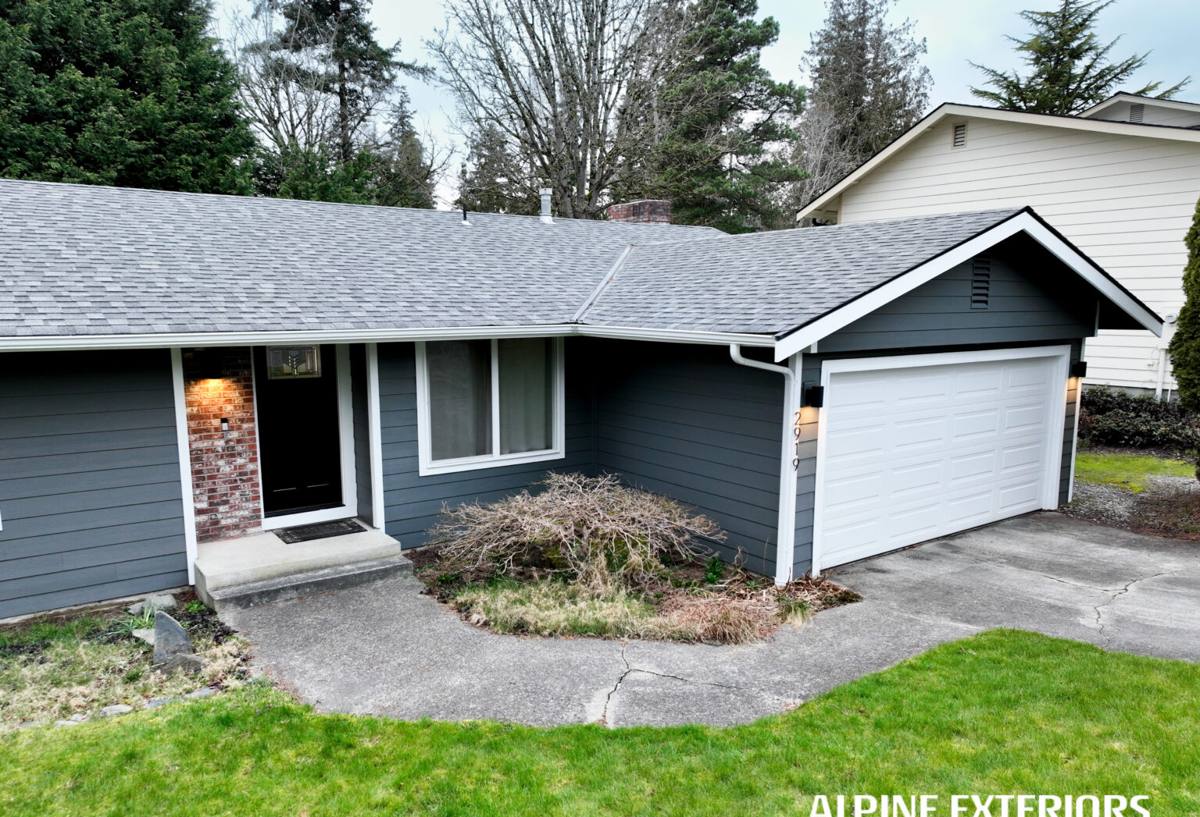
What "Correct" Actually Means for a Siding Installation Here
Siding installation gets talked about like it's mostly a cosmetic job — pick a color, nail up some boards. In a coastal Florida climate, the visible siding is really the last layer of a system, and most of what determines whether that system lasts is hidden once the job is done.
The water-management layer
Every wall needs a continuous drainage plane behind the siding — a weather-resistant barrier, properly lapped so water sheds downward and outward instead of pooling behind panels. Every penetration (windows, doors, hose bibs, electrical) needs flashing integrated into that barrier in the correct shingle-style sequence, so water moving down the wall never gets trapped behind a flashing edge.
Fastening and clearances
Fiber cement siding has manufacturer-specified fastener types, spacing, and penetration depth — get these wrong and you either void the warranty or create thousands of tiny entry points for moisture. Ground clearance, and clearance from roof lines, decks, and hard surfaces, also has to match the manufacturer's minimums, because splash-back and standing moisture are what rot starting points look like in this climate.
Joint and seam treatment
Butt joints, corners, and trim intersections are where the vast majority of siding failures start. These need to be sealed and detailed correctly the first time — caulk is a maintenance item, not a substitute for correct flashing and lapping.
None of this is visible once the job is finished, which is exactly why the contractor's discipline during installation matters more than the brochure the siding comes from.
Why We Only Install James Hardie Fiber Cement
We made a deliberate decision as a company to install one siding system: James Hardie fiber cement. We don't install vinyl, LP SmartSide, or other fiber cement alternatives, and that's a standard we hold ourselves to, not a knock on every homeowner who has one of those products on their home already.
Fiber cement is non-combustible, holds up to wind-driven rain without warping or bowing the way vinyl can in extreme heat, and its ColorPlus factory finish is baked on and warrantied specifically against the fading that intense Florida UV causes in field-painted or lower-grade products. Hardie also engineers specific product lines (HZ5 and HZ10) for humid, high-moisture climates like ours — the material is formulated differently for the Gulf Coast than it is for a dry inland climate. For a peninsula city like St. Petersburg, sitting in salt air with several months of intense heat and an active hurricane season, that's the difference between a wall system that ages gracefully and one that becomes a decade of touch-up work.
Our Installation Process
The steps below are consistent across every St. Petersburg and Largo-area job — what changes is the amount of remediation needed underneath the old siding, which we won't know until we open the wall up.
- Inspection and estimate. We look at the existing siding, trim, and any visible signs of moisture intrusion, and give you an honest read on what the job involves before any contract is signed.
- Removal and substrate check. Old siding comes off and we inspect the sheathing underneath for soft spots, rot, or prior water damage. This is often where a "siding job" quietly turns into a repair job — it's better to find that now than after new siding is up.
- Repair of damaged sheathing or framing. Any compromised wood gets replaced. Installing new siding over rotted sheathing just hides a structural problem behind a new façade.
- Weather-resistant barrier installation. A continuous, correctly lapped barrier goes on before anything else.
- Flashing at every penetration. Windows, doors, and any wall penetration get flashed in the correct sequence so water always sheds outward.
- Hardie panel or plank installation to manufacturer fastening, clearance, and joint specifications.
- Trim, caulking, and paint touch-up at cut edges and joints, per Hardie's application guidelines.
- Final walkthrough with you, covering what was done and what basic maintenance looks like going forward.
Signs a St. Petersburg Home Needs New Siding
Because failure here tends to be gradual, homeowners often live with early warning signs for years before calling anyone. Worth checking for:
- Soft or spongy spots when you press on the siding, especially near the bottom courses or under windows
- Visible warping, buckling, or waviness across a wall plane
- Paint that's peeling, bubbling, or chalking heavily on one side of the house (usually the side with the most sun and weather exposure)
- Rust streaking below fasteners or trim pieces
- Gaps opening up at butt joints or corner boards
- Rising energy bills with no other obvious cause, which can point to a compromised weather barrier
- Visible mold or mildew streaking that keeps coming back after cleaning
Any one of these on its own might be minor. Several together, especially on a home more than 15-20 years old, usually means the underlying water-management system has failed, not just the surface finish.
Cost Factors to Understand Before You Get Quotes
Siding quotes can vary widely for reasons that have nothing to do with markup — they usually reflect real differences in scope. The table below covers the variables that most affect price on a St. Petersburg-area home.
| Factor | Why It Matters |
|---|---|
| Substrate condition | Rotted sheathing or framing found during tear-off adds material and labor that can't be quoted until the old siding is off |
| Home size and wall complexity | Multiple stories, dormers, and cut-up wall lines take more trim, flashing, and labor per square foot than a simple rectangular footprint |
| Siding profile | Lap siding, vertical panel, and shingle-style Hardie profiles differ in material and installation labor |
| Trim and accessory scope | Corner boards, window trim, and fascia detail add cost but also add the long-term durability of a fully integrated system |
| Access and site conditions | Tight lots, mature landscaping, or multi-story sections requiring staging affect labor time |
| Color and finish | Standard ColorPlus color options are priced differently than custom-matched finishes |
We don't quote a number without seeing the home, and we won't guess at substrate condition sight-unseen — that's how homeowners end up with change orders they weren't prepared for.
Why a Crew That Already Works St. Petersburg Is Worth Choosing
Siding contractors who work the same coastal Pinellas County area repeatedly build a working knowledge that's hard to get any other way — which neighborhoods tend to have older sheathing that needs extra attention, how salt exposure differs a mile or two inland versus closer to the water, and how local wind and rain patterns actually load a wall during a storm versus what a spec sheet assumes. That local pattern recognition shows up in fewer surprises mid-project and a system that's actually built for the conditions on your specific street, not a generic installation.
It also matters for accountability. A contractor based in Largo, working St. Petersburg regularly, isn't a name from an out-of-town crew that packed up after the job — permits, follow-up questions, and warranty support are handled by a company that's still local when you need them.
Maintaining Hardie Siding Once It's Installed
Part of what makes fiber cement a good fit for this climate is how little upkeep it needs compared to alternatives — but "low-maintenance" isn't "no-maintenance." A short annual routine keeps a correctly installed system performing for decades:
- Rinse the exterior periodically to clear salt residue and airborne grime, especially on sides facing open water or busy roads
- Inspect caulk lines at trim and joints annually and re-caulk any that have cracked or pulled away
- Keep irrigation heads and sprinklers from spraying directly onto the siding, which accelerates efflorescence and staining
- Trim back landscaping so airflow and sunlight can reach the wall surface and dry it after rain
- Address any paint chip or scratch promptly with touch-up product matched to your ColorPlus finish
- Walk the exterior after major storms and check for any dislodged panels, trim, or flashing
Choosing the Right Hardie Line for a Coastal Property
James Hardie makes climate-specific formulations, and for a peninsula city like St. Petersburg the HZ5 line (engineered for humid, high-moisture climates) is generally the right baseline rather than a product formulated for drier regions. Beyond the core formulation, the choice between lap siding, panel siding, and shingle-style profiles usually comes down to the home's architecture and your preference, not performance — all of them carry the same underlying fiber cement durability when installed to spec. We'll walk through the practical differences and color options for your specific home during the estimate rather than push a single default.
If you're weighing a siding replacement on a St. Petersburg-area home, we're happy to take a look and give you a straightforward, no-pressure estimate — no obligation, just an honest read on your home's condition and what a correctly installed system would involve.