 Largo Window
 Deck Building in St. Petersburg Isn't a Generic Project
A new deck built to a generic, one-size-fits-all standard tends to disappoint fairly quickly in St. Petersburg. Between hurricane-force wind events, sun exposure that runs nearly year-round, wind-driven rain that gets pushed into places ordinary rainfall never reaches, and salt air working on hardware and finishes from the moment they're installed, this stretch of the Pinellas County coast asks more of a deck than most national building guides account for. A deck that would hold up fine in a drier, cooler, inland climate can start showing problems here within a few seasons if it wasn't built with these specific conditions in mind.
This page covers what a St. Petersburg deck actually needs to hold up long-term, what a correctly built one involves from the footings up, how our process works, and why hiring a crew that already builds decks in this area — rather than one applying a generic playbook to a Gulf Coast property — makes a real difference in how long the result lasts.
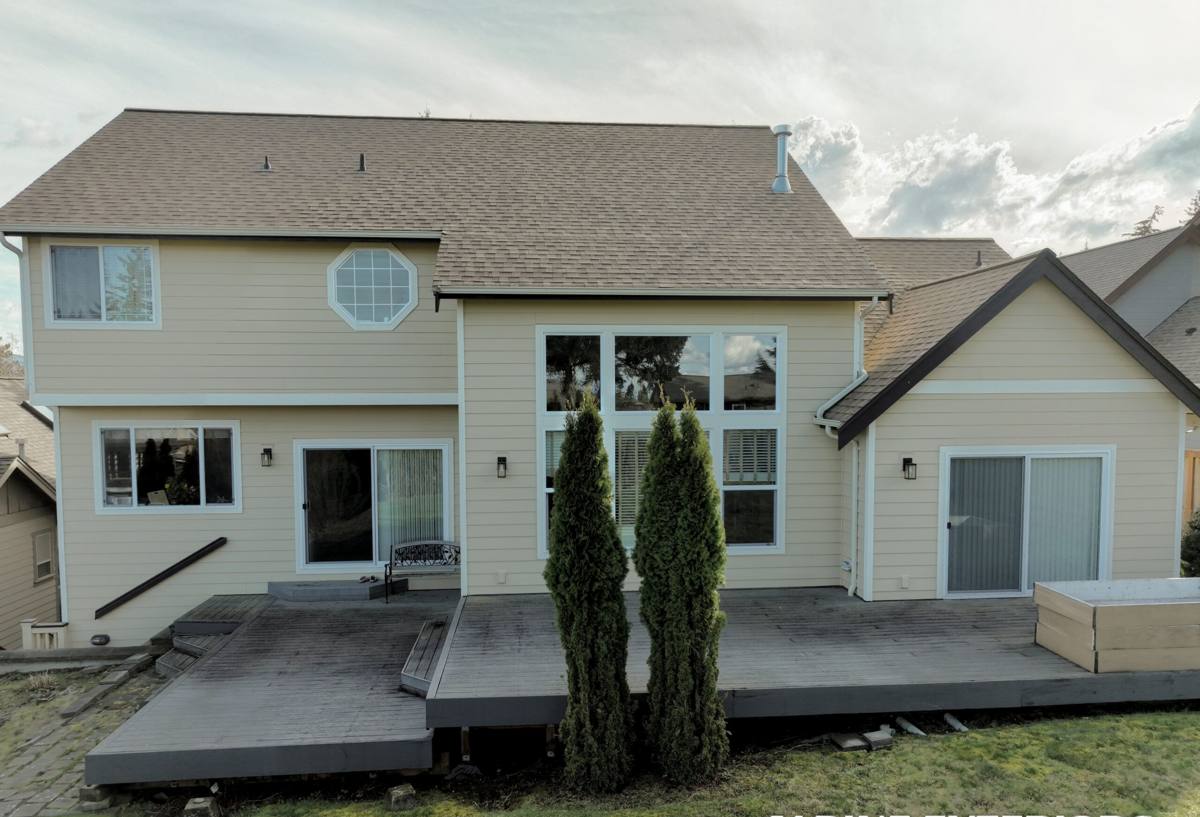
What the Local Climate Actually Demands From a New Deck
Hurricane-Force Wind and Structural Attachment
Wind load isn't an abstract code requirement here — it's a real design condition a deck will eventually face. That affects far more than how sturdy the decking feels underfoot. It drives how footings are sized, how the ledger board attaches to the house, how joists are hung, and how railings are anchored. A deck that looks solid but was framed to a lighter, generic standard is the kind that suffers real damage — or a real safety failure — the first time a serious storm comes through, rather than simply weathering it.
Sun Exposure Almost Every Day of the Year
Florida's UV load is among the highest in the country, and a deck surface takes that exposure directly, with little relief from shade for most of the day across most of the year. On wood decking, that means faster graying, checking, and finish breakdown than the same product would see further north. On composite and PVC decking, UV resistance varies significantly by product quality, and a lower-grade board can fade or chalk well before it's supposed to. Material choice and finish maintenance both need to account for how much sun this deck will actually see.
Wind-Driven Rain and Where Water Actually Goes
Ordinary rain falls mostly straight down. Wind-driven rain during a storm gets pushed sideways and underneath things — through gaps, along ledger connections, and into framing that a calmer climate would keep dry. A deck built without real attention to drainage, flashing at the ledger, and gaps between boards ends up trapping water where it does the most damage: at the substructure, out of sight, where problems go unnoticed until they're serious.
Salt Air and Long-Term Corrosion
St. Petersburg sits on a peninsula surrounded by water on multiple sides, and salt-laden air reaches most properties in the area to some degree, not just the ones directly on the waterfront. Salt air accelerates corrosion in any exposed metal — fasteners, joist hangers, railing hardware — well before that corrosion becomes visible from the surface. A deck built with standard-grade hardware instead of stainless or coastal-rated fasteners is often the one that develops loose railings or lifting boards years ahead of schedule, even though everything looked fine going in.
Choosing a Decking Material That Makes Sense Here
There's no single "best" decking material for every situation — the right choice depends on how much upkeep a homeowner wants to take on, budget, and how the deck will actually be used. Here's an honest look at how the common options behave under St. Petersburg conditions specifically.
| Material | Sun/UV Behavior | Moisture Behavior | Maintenance | Relative Cost Tier |
|---|---|---|---|---|
| Pressure-treated wood | Grays and checks faster under intense, near-constant sun unless refinished regularly | Can absorb and release moisture; needs sealing to resist wind-driven rain | Highest — periodic cleaning, sealing, and refinishing | Lowest upfront |
| Standard composite | Moderate fade resistance; quality varies significantly by product line | Generally stable, but lower-grade boards can absorb moisture at cut ends | Low — occasional cleaning, no refinishing | Mid-range |
| Capped composite / PVC | Strong UV and fade resistance in most current product lines | Excellent — largely unaffected by moisture when properly installed | Lowest — cleaning only | Higher upfront |
In a climate that delivers this much sun and this much moisture exposure, capped composite or PVC decking tends to be the lowest-maintenance, longest-performing choice over the life of the deck. Wood remains a reasonable option for homeowners who prefer its look and don't mind the upkeep, provided it's sealed and refinished on a schedule that accounts for how much sun it's actually getting here rather than a generic interval.
What a Correctly Built Deck Involves in Pinellas County
Footings Sized for Local Soil and Wind Uplift
Footing depth and size need to account for both the load the deck carries and the uplift forces wind can generate on an elevated structure. Undersized or improperly set footings are one of the more common shortcuts on a poorly built deck, and they're also one of the hardest problems to fix after the fact without disturbing the finished structure.
The Ledger Board Connection
Where the deck attaches to the house is the single most important structural connection on the entire project, and it's also the point most exposed to wind-driven rain working its way behind the decking. A correct ledger attachment includes proper flashing to keep water out of the house's structure, plus fasteners sized and spaced to the load and wind requirements for this area — not a generic spacing pulled from a national framing table.
Fastener and Hardware Grade
Every joist hanger, structural screw, and bolt on this deck is exposed to the same salt air that affects everything else on the property. We build with stainless steel or coastal-rated hardware throughout, not standard-grade fasteners that will corrode noticeably faster in this environment. It costs more upfront and it's the difference between hardware that holds for the life of the deck and hardware that needs attention within a few years.
Permitting and Code Compliance
New deck construction in this area requires a permit and inspection, and the requirements typically address structural attachment, footing depth, railing height, and guard spacing, among other things. Properties near the waterfront can also involve additional review tied to flood zone or setback requirements. We handle permitting as part of the project rather than leaving a homeowner to navigate that process alone.
How Our Deck Building Process Works
- Site visit and design. We look at the property, talk through how the deck will be used, and discuss material options honestly, including trade-offs in maintenance and cost.
- Engineering and permitting. Footings, framing, and attachment details are sized to the project and submitted for permit before any construction starts.
- Footings and framing. Footings are set, and the structural frame — including the ledger connection — goes in to code-compliant standards, not a minimum-effort version of them.
- Decking and railing installation. Decking boards and railings go in with attention to fastening method, spacing for drainage and airflow, and a clean, consistent finish.
- Final inspection and walkthrough. The completed deck passes required inspection, and we walk the homeowner through the finished project and any maintenance recommendations specific to the material chosen.
Railings and Details That Hold Up Over Time
Railings do double duty: they're a visible, everyday design element and a safety component that has to perform under real load. Baluster spacing and railing height follow code requirements, and the attachment method matters as much as the material — a railing post that's under-anchored will develop movement over time regardless of how good the decking looks. Where a hidden fastener system is used for the decking surface, it gives a cleaner appearance with no visible screw heads, but it needs to be installed to the manufacturer's spacing specification to perform correctly in wind — cutting corners on spacing here is a common source of later problems that don't show up until a board starts to lift.
Keeping a St. Petersburg Deck in Good Shape
- Rinse the deck surface periodically to clear salt residue before it works into the material or hardware
- Keep gaps between boards clear of leaves and debris so water and airflow move through as designed
- Check railing posts and visible fasteners a couple of times a year, especially heading into and coming out of storm season
- Reseal or refinish wood decking on a schedule that accounts for how much direct sun it actually receives here, not a generic interval
- Trim back landscaping that shades the deck's underside and traps moisture against framing or fascia
- Address any soft spots, movement, or lifting boards right away — these are structural signals, not cosmetic ones
Why It Matters That We Already Work in St. Petersburg
A deck builder who mostly works inland, drier climates can still frame a technically sound deck, but building regularly in St. Petersburg means we're not learning this area's wind load requirements, permitting process, or salt-air hardware needs on someone's project. We already know what fastener grade actually holds up here, what a ledger connection needs to survive real storm seasons, and how local permitting and inspection typically go for properties in this part of Pinellas County, including the additional review that can come up on waterfront or flood-zone lots. That familiarity shows up in a more accurate estimate up front and fewer surprises once the project is underway.
If you're planning a new deck and want a straight assessment of what your property needs — material options, realistic scope, and an honest answer on what it'll take to build something that holds up out here — we're glad to take a look. Reach out below for a free, no-pressure estimate.