 Largo Window
 Storm Damage Roof Repair Built for Palm Harbor's Climate
A roof in Pinellas County doesn't get an easy life. Between tropical storm season, near-daily summer thunderstorms, and a sun that beats down on shingles and underlayment twelve months a year, roofs here age differently than they do inland. Palm Harbor homes, sitting close to the water along the Gulf Coast, take on an extra layer of stress from salt-laden air that speeds up corrosion on fasteners, flashing, and metal roof components. When a storm rolls through and damages a roof, the repair has to account for all of that — not just patch the visible hole and call it done.
This page covers what storm damage roof repair actually involves for homes in and around Palm Harbor, what separates a repair that lasts from one that fails again in the next storm, and how our process works from the first phone call to the final walkthrough.
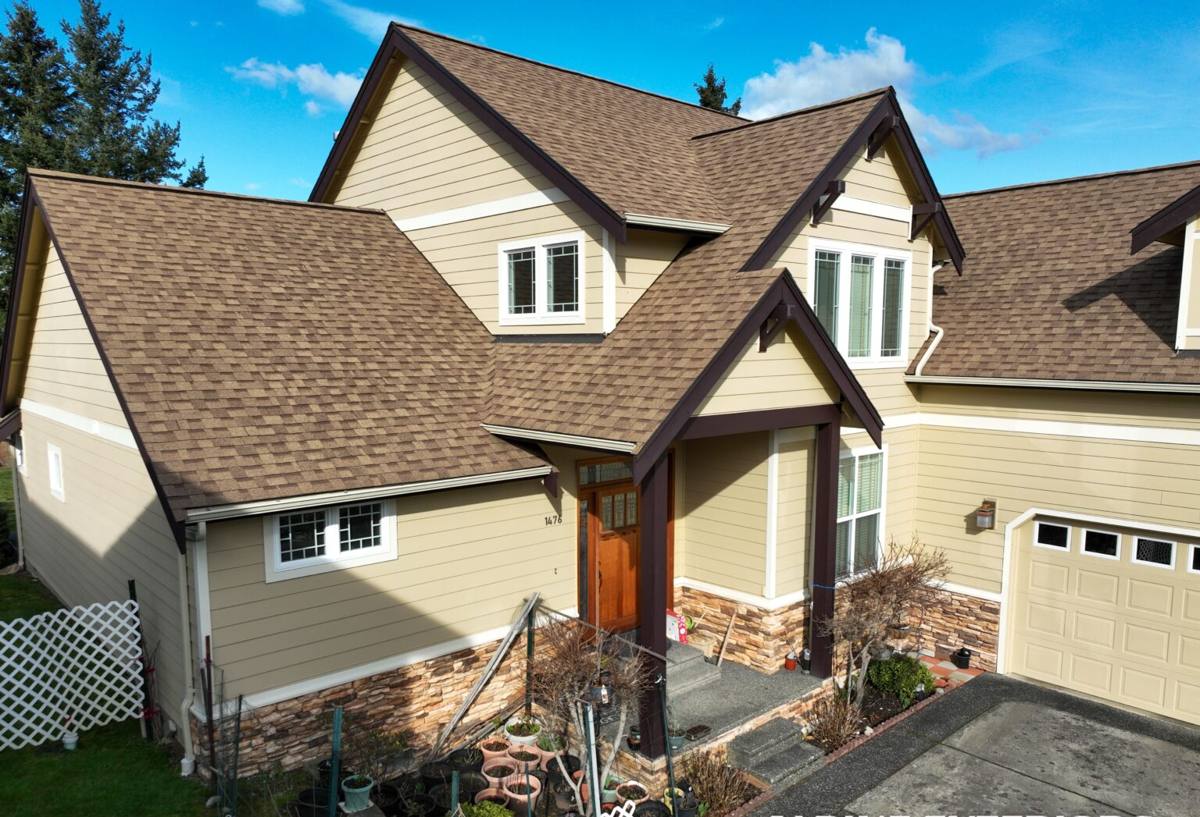
What Counts as Storm Damage on a Florida Roof
Storm damage isn't always a dramatic hole in the roof deck. Some of the most common damage we see after wind and rain events in this area is easy to miss from the ground.
Wind Damage
Sustained winds and gusts can lift shingle tabs, crack tile, or peel back the edges of a roof system where wind uplift is strongest — typically the ridges, hips, rakes, and eaves. Once a shingle or tile edge lifts even slightly, wind gets underneath it, and the damage spreads with the next storm rather than staying contained.
Wind-Driven Rain Intrusion
A roof doesn't have to lose a shingle to leak. Wind-driven rain can be forced sideways and upward under laps, around vent boots, and through nail penetrations that were fine in a normal rainstorm but get overwhelmed when rain is coming in at an angle instead of straight down. This is one of the most common causes of interior water stains that homeowners assume means "the roof is old" when it's actually a specific, fixable point of entry.
UV and Heat Cycling
Central Florida sun doesn't cause storm damage directly, but it sets roofs up to fail during storms. Constant UV exposure and daily heat cycling dry out asphalt shingles and degrade sealant strips faster than in milder climates, which means a roof that looks intact can already have brittle, weakened materials that give way under wind loads a newer or better-protected roof would shrug off.
Salt Air Corrosion
Homes closer to the coast, including much of the Palm Harbor area, deal with airborne salt that accelerates rust on exposed fasteners, drip edge, flashing, and any metal roofing components. Corroded fasteners lose holding power over time, which is part of why storm damage sometimes shows up as an entire section pulling loose rather than a few isolated shingles.
Why Palm Harbor's Position Adds to the Wear
Palm Harbor's proximity to the water is part of what makes it a desirable place to live, but it also means roofs there are exposed to a combination of salt air and open wind exposure that inland Pinellas County neighborhoods don't deal with in the same way. Add in the humidity that keeps roof decking and underlayment damp longer after a storm, and you get conditions where minor damage left unaddressed turns into rot, mold, or a compromised deck faster than it would in a drier climate. A repair strategy that works for a roof forty miles inland isn't automatically the right call for a roof in this part of the county — material choice, fastener type, and flashing details all need to account for the coastal exposure.
What a Correct Storm Damage Repair Actually Involves
A repair that only addresses what's visible from the driveway is a repair that's likely to need to be redone. Doing it right means looking at the whole system, not just the damaged spot.
Matching Materials, Not Just Patching
Shingles and tiles fade and weather over time, so a patch using brand-new material next to sun-worn material will always stand out, and mismatched profiles or thicknesses can also create small gaps where water collects. We try to match existing material as closely as possible, and when an exact match isn't available, we'll tell you honestly what your options are rather than installing something that looks obviously patched.
Flashing and Underlayment
Most roof leaks trace back to flashing — the metal or synthetic material around chimneys, vents, skylights, and roof-to-wall transitions — rather than the field of the roof itself. Storm damage repair that skips inspecting and, where needed, replacing flashing and the underlayment beneath it is treating a symptom instead of the cause.
Fastener and Attachment Standards
Given the salt air corrosion issue mentioned above, we use corrosion-resistant fasteners appropriate for coastal exposure rather than whatever is cheapest, and we follow manufacturer nailing and fastening patterns rather than shortcutting them. This matters more in Palm Harbor than it would somewhere inland.
Florida Building Code Compliance
Roof repairs in Pinellas County need to meet current Florida Building Code requirements, which are among the strictest in the country for wind resistance. Depending on the scope of damage, that can affect underlayment type, fastening schedule, and whether a permit is required. We handle permitting when it's needed so you're not left figuring that out on your own.
Our Repair Process
Storm damage repair works best when it moves quickly but not carelessly. Here's how we approach it from the first call.
1. Inspection and Documentation
We walk the roof (or use appropriate equipment when walking it isn't safe) to identify every point of damage, not just the obvious one, and photograph everything. This documentation matters both for our repair plan and for any insurance claim you may file.
2. Temporary Protection
If a roof has active exposure — a hole, missing section, or compromised flashing — that needs to be covered before the next rain, we can install temporary protection to stop further water intrusion while the full repair is scheduled.
3. A Written, Itemized Plan
Before any work starts, you get a clear explanation of what's damaged, what needs to be repaired versus what can be left alone, and what it will cost. No surprise add-ons once the crew is on the roof.
4. The Repair Itself
We remove and replace damaged materials, address the underlying flashing and underlayment issues, and reseal and re-fasten to current standards — not just to match what was there before if what was there before was already failing.
5. Final Walkthrough
We review the completed work with you, including photos of areas that aren't easily visible from the ground, so you know exactly what was done.
Repair or Replace? What Actually Drives That Decision
Not every storm-damaged roof needs full replacement, and not every roof that "just needs a patch" is actually a good repair candidate. Here's how we think through it.
| Factor | Leans Toward Repair | Leans Toward Replacement |
|---|---|---|
| Extent of damage | Isolated to one section or a few points of entry | Widespread across multiple roof planes |
| Roof age | Roof is within its expected service life | Roof is already near or past typical lifespan |
| Underlying deck condition | Deck is sound where exposed | Deck shows rot or soft spots |
| Prior repair history | First significant repair needed | Multiple past repairs in different areas |
| Material availability | Matching material is available | Material discontinued or badly faded from remainder |
We'll always recommend repair when repair is the honest, durable answer. We only recommend replacement when a repair genuinely wouldn't hold up — not as an upsell.
Working With Your Insurance Company
Most storm damage claims in this part of Florida go through homeowners insurance, and having thorough documentation from the start makes that process smoother. We provide photos, a written scope of damage, and a clear repair estimate that you can submit with your claim. We're happy to meet an adjuster on site to walk the roof together and point out damage that isn't obvious from the ground or from a drone photo alone, since that's often where disputes over scope come from. What we won't do is inflate a scope of work to match a settlement number — the repair plan reflects what the roof actually needs.
What to Do Immediately After a Storm
The days right after a storm matter. Here's a practical checklist for homeowners in Palm Harbor and the surrounding Largo area:
- Check for interior water stains on ceilings and around light fixtures, especially in upper floors or attic spaces
- Look from the ground for obviously missing, lifted, or displaced shingles or tiles — don't climb onto the roof yourself
- Check gutters and the ground around the house for granules, shingle pieces, or roofing debris
- Photograph any visible exterior damage for your own records before cleanup begins
- Address active leaks with a bucket or temporary interior protection, but don't attempt roof repairs yourself
- Contact your insurance company to report the damage and get your claim number started
- Schedule a professional inspection promptly — hidden damage often gets worse the longer it sits, especially in humid conditions
Why a Crew That Already Works Palm Harbor Matters
Storm damage repair isn't a one-size-fits-all trade. A crew that regularly works roofs in Palm Harbor and the broader Largo area already knows which fastener specs hold up against salt air, which flashing details tend to fail first on homes built to older code cycles versus newer ones, and how local permitting works in Pinellas County. That familiarity shows up in the quality of the repair and in how quickly the work gets scheduled and completed — which matters when a roof has active exposure and every day of delay is another chance for a small leak to become water damage inside the home.
It also means a crew that isn't disappearing after storm season. Roofing scams and out-of-town "storm chaser" crews are a real problem after major weather events in Florida, and one of the simplest ways to protect yourself is working with a contractor that has a permanent, verifiable presence in your community and will still be reachable if a repair needs follow-up months later.
Get a Free, No-Pressure Estimate
If your Palm Harbor or Largo home has storm damage, or you're not sure whether what you're seeing needs attention, we're glad to take a look and give you a straight answer. Fill out the form below for a free estimate — no pressure, no obligation, just an honest assessment of what your roof actually needs.