 Largo Window
 Building New Near Treasure Island? The Windows Are Part of the Structure, Not an Afterthought
When a home is going up from the ground, windows get specified early and installed by a rough-opening schedule that doesn't leave much room for second-guessing later. That's different from a replacement job, where you're working around windows that already exist. New construction is your one chance to get the window opening, the flashing, the frame selection, and the glass package matched to what this part of Pinellas County actually throws at a house. Treasure Island and the surrounding Largo area sit close to open water, which means the building envelope has to answer for wind pressure, salt-laden air, and sun exposure from day one — not after the first few years of wear show it up.
We install new-construction windows for builders and homeowners working on projects in and around Treasure Island. This page is about that specific job: what the local climate demands, what correct installation actually involves, and why it matters to hire a crew that already understands how houses in this part of the county are built and inspected.
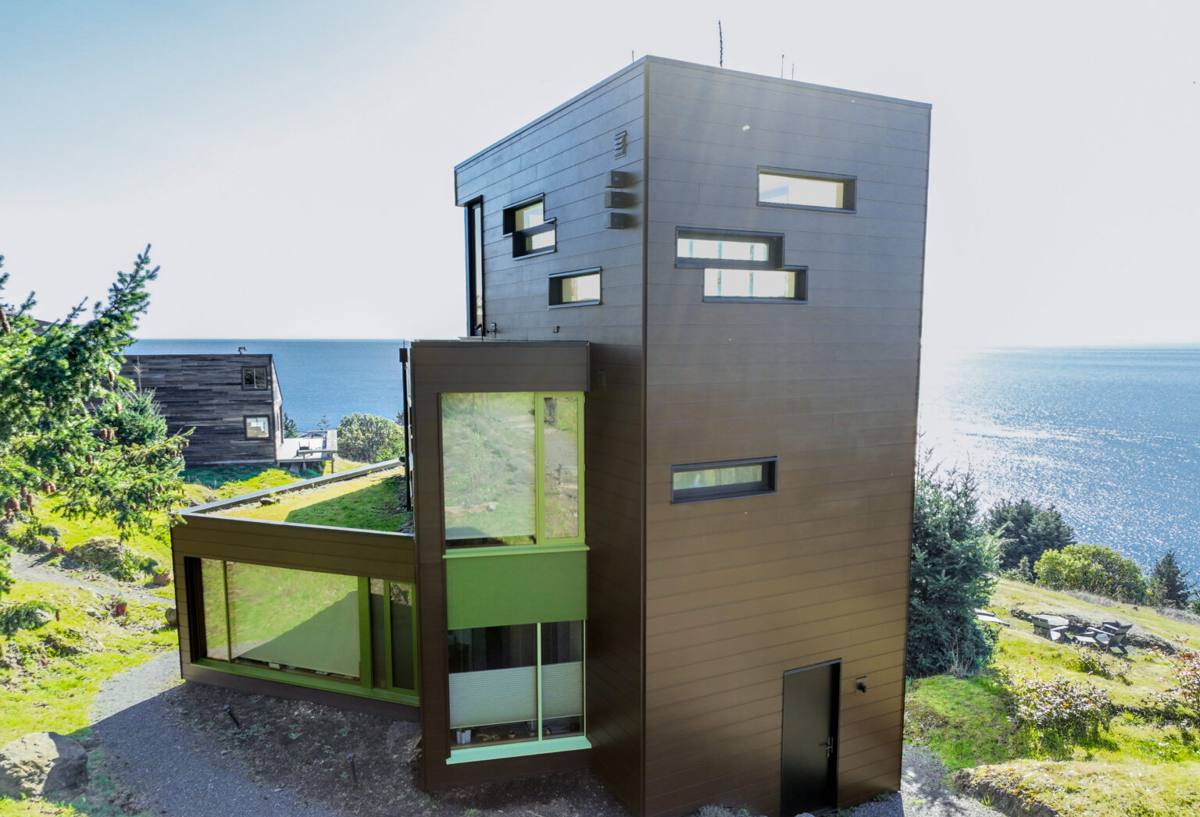
What This Climate Demands From a New-Construction Window
Hurricane and Tropical-Storm Wind Loads
Homes near the coast in Pinellas County are built to wind-load requirements that are higher than what you'd see inland. New-construction windows here need a documented pressure rating that matches the engineering on the plans for that specific elevation and wall — not just "hurricane rated" in a general sense. Getting the wrong rating on an opening is a code problem, not just a performance problem.
Intense, Year-Round UV
Florida sun works on window frames and glass seals every single day of the year, not just in summer. Vinyl that isn't UV-stabilized can chalk and go brittle years before it should. Low-E glass coatings that are poorly specified let too much heat through, which shows up later as higher cooling bills and hot rooms on the sun-facing side of the house.
Wind-Driven Rain
Storms here don't just bring wind — they push rain sideways into any gap in the flashing or sealant. A window can carry the right pressure rating and still leak if the rough opening prep, flashing tape, and sill pan weren't done correctly. Most water intrusion problems we get called out to inspect trace back to installation details, not the window unit itself.
Salt Air and Corrosion
Being close to the Gulf means salt is in the air even on inland-facing lots. Hardware, fasteners, and reinforcement components need to be rated for coastal exposure, or corrosion sets in at the hinges, cranks, and locking points well before the glass or frame shows any wear.
Impact-Rated vs. Non-Impact Windows for a New Build Here
One of the first decisions on any new-construction project in this area is whether to install impact-rated windows or non-impact windows paired with separate shutters or panels. Florida Building Code requires wind-borne debris protection in this wind zone either way — the question is which system meets it.
| Factor | Impact-Rated Windows | Non-Impact + Shutter System |
|---|---|---|
| Upfront cost | Higher per opening | Lower window cost, added shutter cost |
| Storm prep effort | None — always protected | Shutters must be deployed before each storm |
| Daily appearance | Clean sightlines, no visible hardware | Shutter tracks/hardware visible year-round |
| Noise and UV reduction | Laminated glass helps daily, not just in storms | No daily benefit unless shutters are closed |
| Long-term maintenance | Standard window upkeep | Two systems to maintain instead of one |
For most new construction close to the water, we recommend impact-rated windows as the primary line of defense. They're doing work for the homeowner every day — quieter interiors, better UV control — not just during a named storm. Shutter systems have their place, especially on a budget-constrained project, but they only protect the house when someone remembers to close them.
Getting the Rough Opening and Installation Right the First Time
On new construction, the window installer is working directly with the framing, the weather-resistive barrier, and the exterior finish schedule — there's no old window to remove, but there's also no room to fix a bad opening after the stucco or siding goes on. A correct install includes:
- Rough openings sized and squared to the exact unit specified — not "close enough"
- Sill pan flashing installed before the window ever goes in, sloped to shed water outward
- Flashing tape integrated with the house wrap in the correct shingle-lap order, so water sheds down and out, never in
- Fasteners and shims placed per the manufacturer's tested installation instructions, which is what keeps the window's wind-pressure rating valid
- Sealant compatible with both the window frame material and the exterior finish going over it
- A final check of reveal, level, and operation before trim and exterior finish close the opening up
Skipping or rushing any one of these doesn't usually show up at final inspection — it shows up two or three years later as a stain on the drywall below a window during the next heavy rain.
How Our New-Construction Process Works
Plans and Take-Off
We review the plans or the builder's window schedule, confirm sizes, pressure ratings, and egress requirements room by room, and flag anything that looks off before ordering — it's far cheaper to catch a mismatched opening on paper than after framing.
Coordinating With the Build Schedule
Windows go in on a specific window (no pun intended) in the framing sequence — after rough framing and house wrap, before exterior finish. We work with the builder's timeline so the crew is on site when the house is actually ready, not sitting on a delayed delivery or holding up the next trade.
Installation and Flashing
Our crew installs to the manufacturer's tested method for each specific product line, because that's what keeps the pressure rating and any warranty intact. Flashing and sealant details get done in the correct order, not just "caulked afterward."
Inspection-Ready Documentation
We keep product approval numbers (Florida Product Approval or Miami-Dade NOA references, as applicable) and installation records organized so the builder or homeowner has what's needed for permitting and inspection without a scramble.
Final Walkthrough
Before we call the job done, every window gets opened, closed, locked, and checked for square and smooth operation — not just a visual look from the outside.
Permitting and Florida Building Code in Pinellas County
New-construction window installs in this area go through permitting and inspection under the Florida Building Code, with local Pinellas County/city requirements layered on top. That means product approval documentation, correct pressure ratings for the specific wall elevation, and, in many cases, a required inspection before the exterior finish covers the opening. We handle window installs with this process in mind from the start — matching the product to what the approved plans call for — so the job doesn't hit a wall at inspection over a mismatched rating or missing paperwork.
Choosing Frame Material and Glass for This Exposure
Vinyl, aluminum, and fiberglass all show up in new construction here, and each has real trade-offs rather than one clear winner:
- Vinyl — good value and low maintenance, but quality varies a lot between manufacturers; UV-stabilized formulations hold up far better in this sun than budget-grade vinyl
- Aluminum — strong and slim-profile, common in coastal construction, but needs a good thermal break and coastal-rated finish to resist salt air over time
- Fiberglass — very stable in heat and UV, higher upfront cost, a solid long-term choice for sun-exposed elevations
On glass, we generally steer new construction here toward laminated impact glass with a Low-E coating tuned for this climate — it cuts glare and heat gain without going so dark it kills natural light, and the lamination interlayer also knocks down road and storm noise.
A Practical Checklist Before Windows Go In
- Confirm the wind pressure rating required for each specific elevation, not a single blanket rating for the whole house
- Decide impact-rated vs. non-impact-plus-shutters before ordering, since it affects framing details
- Verify egress sizing on every required bedroom window
- Confirm product approval documentation is on hand for the permit file
- Walk the rough openings before window delivery to catch framing errors early
- Confirm flashing and sealant materials are compatible with the exterior finish being used
- Schedule the installer far enough into the framing sequence that house wrap is complete but exterior finish hasn't started
Why It Matters to Hire a Crew That Already Works This Area
New-construction window work in Treasure Island and the greater Largo area isn't identical to a job twenty miles inland. The wind zone requirements, the salt exposure, and the local permitting process all have local particulars that a crew only learns by doing the work here repeatedly. We coordinate with builders on schedule, know what Pinellas County inspectors expect to see documented, and install to the standard this coastal exposure requires — because a window that's rated correctly on paper still has to be installed correctly to actually perform when a storm tests it.
If you're building near Treasure Island and want windows specified and installed right the first time, we're glad to take a look at your plans and put together a free, no-pressure estimate — just fill out the form below.