 Largo Window
 Why Siding on a Barrier Island Has to Work Harder
Treasure Island sits out on the Gulf, one of the barrier island communities that make up Pinellas County's coastline. A house here takes a different beating than a similar house a few miles inland in Largo. The salt air is thicker and more constant. The wind carries rain sideways instead of down. The sun reflects off open water and hits exterior walls from more angles, for more hours of the day. None of that is unique to any one street or neighborhood on the island — it's just what comes with living this close to the Gulf.
Siding is the material standing between that environment and the wood framing, insulation, and interior of your home. When it's the wrong product, or the right product installed poorly, the consequences show up faster here than they would twenty miles inland. That's the whole reason this page exists: siding installation in Treasure Island is not the same job as siding installation in a landlocked subdivision, even though a lot of contractors treat it that way.
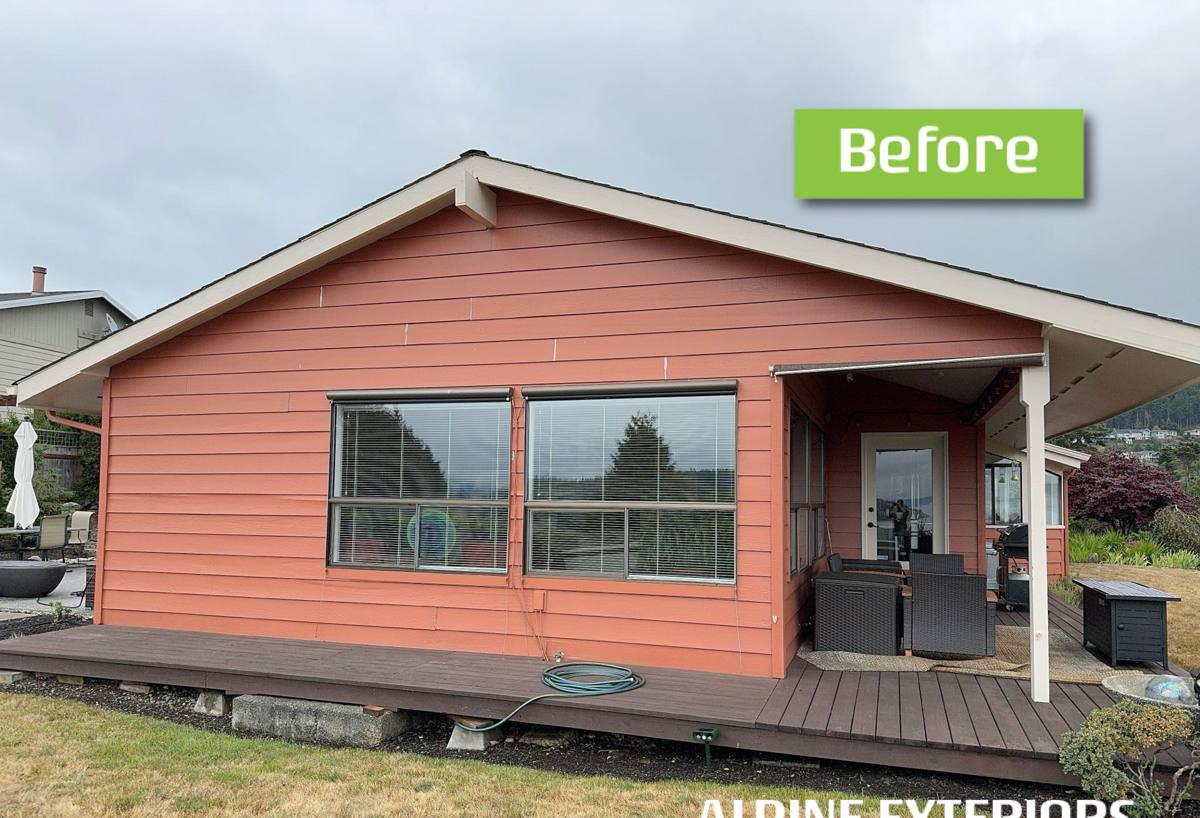
What Gulf Exposure Actually Does to Siding Over Time
Salt Air and Corrosion
Airborne salt doesn't just sit on the surface — it works into fasteners, seams, and any exposed edge of a building material. Over years, it accelerates corrosion in metal components and breaks down finishes that weren't formulated to resist it. Siding systems, trim, and even the fasteners holding them on all need to be chosen with that in mind.
Wind-Driven Rain
Rain that comes in at a steep angle during a Gulf storm behaves differently than a normal rain shower. It gets pushed up under laps, into seams, and behind trim that wasn't flashed correctly. A siding system that's watertight in calm conditions can still let moisture in during a wind event if the installation details weren't built for it.
Year-Round UV
Florida's sun doesn't take a season off, and a Gulf-facing home gets close to full exposure most of the year. UV breaks down paint, cracks caulking, and fades color-matched trim faster than in most parts of the country. Siding finishes that aren't engineered for this climate tend to chalk, fade, or need repainting well ahead of schedule.
Hurricane-Force Wind Loads
Pinellas County's coastal geography puts Treasure Island in one of the higher wind-design categories under the Florida Building Code, and that shows up directly in how siding has to be fastened and rated. A siding product and an installation crew both have to be built for that wind exposure, not just for a stated wind rating on a spec sheet.
Why We Install Only James Hardie Fiber Cement
We don't install vinyl siding, LP SmartSide, primed wood, cedar, or other fiber cement brands. That's not a marketing angle — it's a standard we hold because of what we've seen happen to those products in exactly this kind of environment. Vinyl softens, warps, and becomes brittle under sustained heat and UV, and it isn't rated to withstand the wind speeds this coastline sees. Engineered wood products depend on their edges and cut ends staying sealed, which is a hard thing to guarantee for the life of a house sitting in salt air and humidity. Untreated or primed wood needs constant maintenance to keep moisture and insects out.
James Hardie fiber cement is a cement-and-cellulose composite — it doesn't rot, it isn't combustible, and it holds up to humidity swings without warping or delaminating the way wood-based products can. Hardie also builds region-specific product lines engineered for exactly the conditions we're describing, which matters more here than almost anywhere else in the country. That combination is why it's the only product we put on a home.
Choosing the Right Hardie Products for a Gulf-Front Home
James Hardie makes an HZ5 product line specifically engineered for humid, high-moisture climate zones like Florida's Gulf Coast, with a formulation designed to resist moisture-related damage in exactly this kind of exposure. That's the line we specify for Treasure Island installations.
Color matters too. Hardie's ColorPlus finish is baked on at the factory in a controlled environment, rather than field-applied with a brush and roller, which gives it better fade resistance and a stronger bond than a standard paint job — a real advantage under Gulf Coast sun. Homeowners can choose from lap siding, shingle-style siding, and panel systems, in a range of factory colors and trim combinations, without sacrificing that engineered protection.
What a Correct Installation Actually Involves
The product is only half the equation. Most siding failures we get called out to inspect on coastal homes trace back to installation shortcuts, not the material itself. A correct James Hardie installation on a home like yours involves:
Substrate and Moisture Barrier Prep
Before a single board goes up, the sheathing underneath has to be sound, and a code-compliant weather-resistant barrier has to be installed and lapped correctly to shed water downward, not trap it behind the siding.
Flashing at Every Penetration
Windows, doors, vents, hose bibs, and any other penetration through the siding need proper flashing so wind-driven rain can't work its way behind the wall assembly. This is the detail that separates a siding job that lasts from one that leads to hidden moisture damage a few years later.
Fastening for Wind Exposure
James Hardie publishes specific fastening schedules for high-wind zones — fastener type, spacing, and embedment all change based on your local wind design requirements. Following the manufacturer's high-wind installation instructions isn't optional here; it's what keeps the siding attached and keeps the product warranty valid.
Clearances and Sealant
Proper clearance from grade, roof lines, and decks keeps splashback and standing water away from the bottom edge of the siding. Sealant at butt joints and trim has to be a product rated for exterior, coastal use — not a generic caulk that will crack and open a gap within a year or two.
Our Installation Process
We run the same disciplined sequence on every job, adjusted for your home's specific layout and exposure:
- On-site assessment and measurement, including a look at current moisture damage, trim condition, and wind exposure on each elevation of the house.
- Careful removal of existing siding and an inspection of the sheathing underneath before anything new goes up.
- Installation of a code-compliant weather-resistant barrier and any needed sheathing repairs.
- Flashing installed at windows, doors, and all penetrations before siding starts.
- James Hardie HZ5 siding installed to the manufacturer's high-wind fastening specifications.
- Trim, caulking, and touch-up work completed with coastal-rated sealants.
- Final walk-through and cleanup, with the completed work checked against the original scope.
Wind Ratings, Permits, and Local Code Considerations
Anywhere on Treasure Island's barrier island footprint, Florida Building Code wind-design requirements run higher than they do for a comparable home well inland in Largo. That affects the permitting process, the inspections your project will go through, and the specific fastening details used on the job. A siding installer who mainly works inland neighborhoods may not be used to pulling permits under these wind requirements or building to that fastening schedule as a matter of course — for a crew that works this coastline regularly, it's just how every job is done.
Living With Fiber Cement Siding in a Salt-Air Environment
Correctly installed James Hardie siding is low-maintenance, not no-maintenance. A simple annual rinse with a garden hose removes salt film and airborne grit before it can build up. Caulking and trim joints are worth a visual check once a year, especially after a rough storm season, since sealant is the one component that will eventually need touch-up before the siding itself does. Avoid aiming a pressure washer directly at the siding on high settings — a gentle rinse is all fiber cement needs, and high-pressure water can force moisture behind laps and trim.
What Affects the Cost of a Siding Installation
Every home is different, and we won't quote a number without seeing the property, but the same handful of factors drive cost on most Treasure Island projects:
| Cost Factor | Why It Matters |
|---|---|
| Home size and elevation count | More square footage and more distinct wall planes mean more material and labor |
| Removal of existing siding | Tear-off, disposal, and any sheathing repair found underneath add time before installation starts |
| Trim and architectural detail | Homes with more corners, gables, and trim work require more precise cutting and flashing |
| Access and site conditions | Elevated coastal homes, tight lot lines, or limited staging space can affect labor time |
| Product line and profile chosen | Lap, shingle, and panel styles, plus ColorPlus finish options, carry different material costs |
Signs Your Current Siding Needs Attention
If your home is showing any of the following, it's worth having it looked at before the next storm season:
- Visible warping, buckling, or soft spots when pressed
- Cracked, peeling, or chalking paint that keeps returning after touch-ups
- Gaps opening up at seams, corners, or trim joints
- Discoloration or staining that suggests moisture is getting behind the siding
- Higher-than-expected cooling bills, which can point to a compromised wall assembly
- Visible mold, mildew, or a musty smell along interior walls that back up to exterior siding
Why a Crew That Already Works Treasure Island Matters
A contractor who installs siding across Pinellas County but rarely works the barrier islands can still do competent work — but the details that matter most here are the ones you don't see once the job is finished: the fastening schedule used for this wind zone, how the flashing was detailed around every penetration, whether the moisture barrier was lapped correctly for wind-driven rain, and whether the permit and inspection process was handled the way local coastal jobs require. A crew that installs siding on Treasure Island and the surrounding Gulf-front communities regularly treats those details as standard practice, not a special case.
If you're weighing a siding replacement or a full installation on a Treasure Island home, we're happy to walk the property, look at what you're currently dealing with, and put together a straightforward, no-pressure estimate. There's no obligation — just an honest look at what your home needs.