 Largo Window
 Windows on a Barrier Island Take a Different Kind of Beating
Treasure Island sits out on the Gulf, and that location is exactly why window replacement here isn't quite the same job as it is a few miles inland in Largo or Clearwater. Homes on the island face salt-laden air almost constantly, direct Gulf sun for most of the year, wind-driven rain that comes in sideways during storms, and the occasional hurricane-force gust that puts real pressure on every seam in a window assembly. None of that is dramatic on any single day, but it adds up fast, and it's why windows that would last two or three decades in a drier, inland climate can start failing in half that time on the island if they weren't built or installed with these conditions in mind.
We're based in Largo and have worked Pinellas County's beach communities long enough to know that a "standard" window install isn't good enough out here. Treasure Island homes need windows selected for coastal exposure, and they need an installation that accounts for wind load, moisture intrusion, and the way salt air accelerates corrosion on hardware and frames that aren't rated for it.
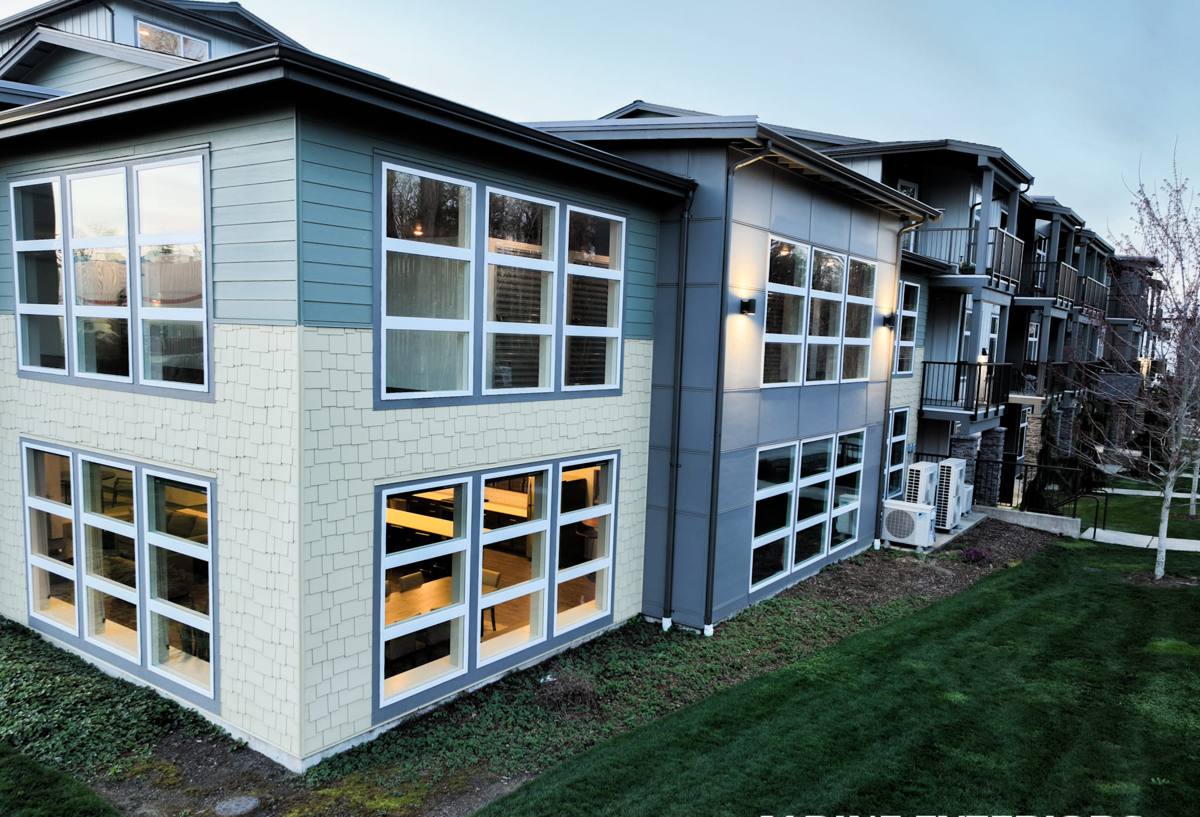
What Salt Air, Sun, and Storms Actually Do to a Window
Salt Air and Corrosion
Airborne salt settles on everything near the Gulf, including window frames, screens, and hardware. Over time it corrodes weak metal components, pits aluminum that isn't properly coated, and breaks down seals faster than it would just a few miles inland. This is the single biggest reason coastal window failures happen earlier than homeowners expect.
UV Exposure
Florida sun is intense year-round, and a west- or south-facing window on Treasure Island gets hammered with UV almost every day. Cheap vinyl can warp or discolor, seals can dry out and crack, and glass without a proper low-E coating lets heat pour into the home, driving up cooling costs.
Wind-Driven Rain
During tropical storms and the seasonal squalls that roll off the Gulf, rain doesn't just fall — it gets pushed sideways into the building envelope. A window that isn't flashed and sealed correctly will leak long before the frame itself ever fails, and that hidden moisture can rot the surrounding wall structure without any obvious sign until the damage is significant.
Hurricane-Force Wind Pressure
Every window on the island is a potential failure point during a storm. A window that fails under wind pressure — or gets breached by debris — can pressurize the interior of the home and cause much more extensive roof and structural damage. This is why wind rating and installation quality matter as much as the glass itself.
Signs Your Windows Are Due for Replacement
- Fogging or condensation between panes (a failed seal on double-pane glass)
- Frames that feel soft, chalky, or show visible pitting and corrosion
- Windows that are difficult to open, close, or lock properly
- Visible daylight or a noticeable draft around the frame
- Water staining on the wall or sill below the window after storms
- Rattling or whistling during windy conditions
- Noticeably higher cooling bills compared to similar homes nearby
- Peeling paint or bubbling drywall near window openings
Any one of these on its own might not mean full replacement is needed, but a combination of two or three — especially on a home that hasn't had its windows updated in 15-plus years — is usually a sign the assembly has reached the end of its useful life for this climate.
What a Correct Replacement Job Actually Involves
Window replacement looks simple from the outside — old window out, new window in — but on a coastal property in Pinellas County, several things have to happen correctly for the result to hold up.
Proper Wind and Impact Rating
Florida Building Code sets minimum wind pressure and wind-borne debris requirements based on location, and coastal properties are held to a higher standard than inland ones. We select and install windows rated to meet the actual code requirements for your address, not a generic minimum.
Flashing and Water Management
The window unit itself is only part of the system. Correct flashing, sealant, and integration with the existing wall assembly is what actually keeps wind-driven rain out. This step gets rushed on low-bid jobs, and it's usually where leaks start showing up a year or two later.
Correct Fastening for the Substrate
Older Treasure Island homes have a mix of wall constructions — block, wood frame, and combinations of both. Anchoring a window correctly depends on knowing what's actually behind the opening, not just following a generic install guide.
Sizing and Squaring
An opening that's slightly out of square (common in older coastal homes that have settled) needs to be shimmed and adjusted correctly, or the new window won't operate smoothly and won't seal evenly under pressure.
Choosing the Right Materials for Gulf-Front Exposure
Not every window product sold in Florida is a good fit for a barrier island. We steer homeowners toward frame materials and glass packages that hold up specifically to salt air and constant sun, and we're upfront when a lower-cost option comes with real trade-offs in a coastal setting.
| Frame Material | Coastal Performance | Maintenance |
|---|---|---|
| Vinyl (impact-rated) | Good corrosion resistance, no rusting hardware issues on the frame itself | Low — occasional cleaning |
| Aluminum (marine-grade coating) | Strong and rigid, but requires proper coating to resist salt pitting | Moderate — coating needs to be maintained |
| Uncoated or standard aluminum | Prone to corrosion and pitting in salt air over time | Higher — earlier hardware and finish issues |
| Wood or wood-clad | Poor fit for direct Gulf exposure without heavy upkeep | High — regular sealing and inspection needed |
We generally don't recommend uncoated aluminum or exposed wood-frame windows for direct Gulf-facing exposures on the island. That's not a knock on those products in general — they perform fine in the right setting — it's simply that the maintenance burden and failure timeline don't hold up well against salt air and full sun, and we'd rather steer a homeowner toward something that lasts than sell what's easiest to install.
How We Approach a Job in Treasure Island
Working a barrier island community has its own logistics, and a crew that hasn't done it before will learn on your project — we'd rather you not pay for that education.
- On-site assessment. We look at every opening, the substrate behind it, current condition, and sun/wind exposure by elevation before recommending anything.
- Product selection matched to exposure. A Gulf-facing window and a canal-side or interior window on the same house often don't need identical specs — we size the recommendation to each opening.
- Permitting. Window replacement on Pinellas County coastal properties typically requires a permit tied to the applicable wind and impact code. We handle that process rather than leaving it on the homeowner.
- Careful removal and opening prep. Especially on older homes, we check for hidden moisture damage before the new unit ever goes in — installing over a rotted or compromised opening just hides a bigger problem.
- Installation, flashing, and sealing. Done to the standard the coastal exposure actually demands, not the bare minimum.
- Final inspection and walkthrough. Every window is checked for operation, seal, and fit before we consider the job finished.
What Replacement Typically Costs to Plan Around
Exact pricing depends on window size, quantity, frame material, glass package, and what the existing opening needs before installation. In general terms, homeowners should expect the following to move the price up or down:
| Factor | Effect on Cost |
|---|---|
| Impact-rated glass vs. standard glass | Increases cost, but often reduces or eliminates the need for separate storm shutters |
| Number of windows replaced at once | Per-window cost typically drops with larger, whole-home projects |
| Frame material (vinyl vs. aluminum vs. other) | Varies by product line and coastal-grade coatings |
| Opening condition (rot, out-of-square, structural issues) | Added repair work increases cost but prevents installing over a hidden problem |
| Custom or non-standard sizes | Increases cost versus stock sizing |
We provide a written estimate that breaks these factors down for your specific home rather than a flat per-window number that doesn't account for what your project actually needs.
Why It Matters That We Already Work This Area
A crew that mostly works inland Pinellas County projects can still do a technically fine window install and still get the coastal details wrong — the wrong glass package for the exposure, flashing that's adequate but not built for wind-driven rain, or hardware that wasn't rated for salt air. We've done enough work along the beach communities near Largo to know which details actually matter out here versus which ones are boilerplate. That includes understanding local permitting expectations, knowing how older island homes are typically built, and being straightforward about which products are worth the extra cost for a Gulf-facing home and which ones aren't.
It also means we're not guessing at wind and impact requirements for your specific location — we build the job around what Treasure Island's coastal exposure actually calls for, not a generic Pinellas County spec.
Get a Straight Answer on Your Windows
If your windows are original to the home, showing corrosion, fogging, or drafts, or you're just planning ahead for the next storm season, we're happy to come take a look. We'll give you a straightforward assessment of what your windows actually need, walk you through material options suited to your home's exposure, and provide a free, no-pressure estimate — no inflated urgency, just an honest read on where things stand.