 Largo Window
 Belleair Beach Asks More of a Roof Than Most Florida Homes
Belleair Beach sits on a narrow strip of land between the Intracoastal Waterway and the Gulf of Mexico, which means every roof on the island deals with conditions that inland Pinellas County homes simply don't see to the same degree. Salt-laden air moves across these properties around the clock, sun exposure is nearly constant and reflects off open water, and the same lack of tree cover and terrain that gives residents their views also gives storm winds a clean, unobstructed run at every roof plane. A roofing system installed here has to be built for that combination, not just for "Florida weather" in general.
We're based in Largo and have worked roofs on this stretch of coastline long enough to know that a reroof done to a generic standard tends to show its age early — fastener corrosion, granule loss, lifted shingle tabs, and soffit or fascia problems that trace back to moisture intrusion nobody caught during the original install. This page is about what a new roof actually needs to hold up on Belleair Beach specifically, and how we approach that job.
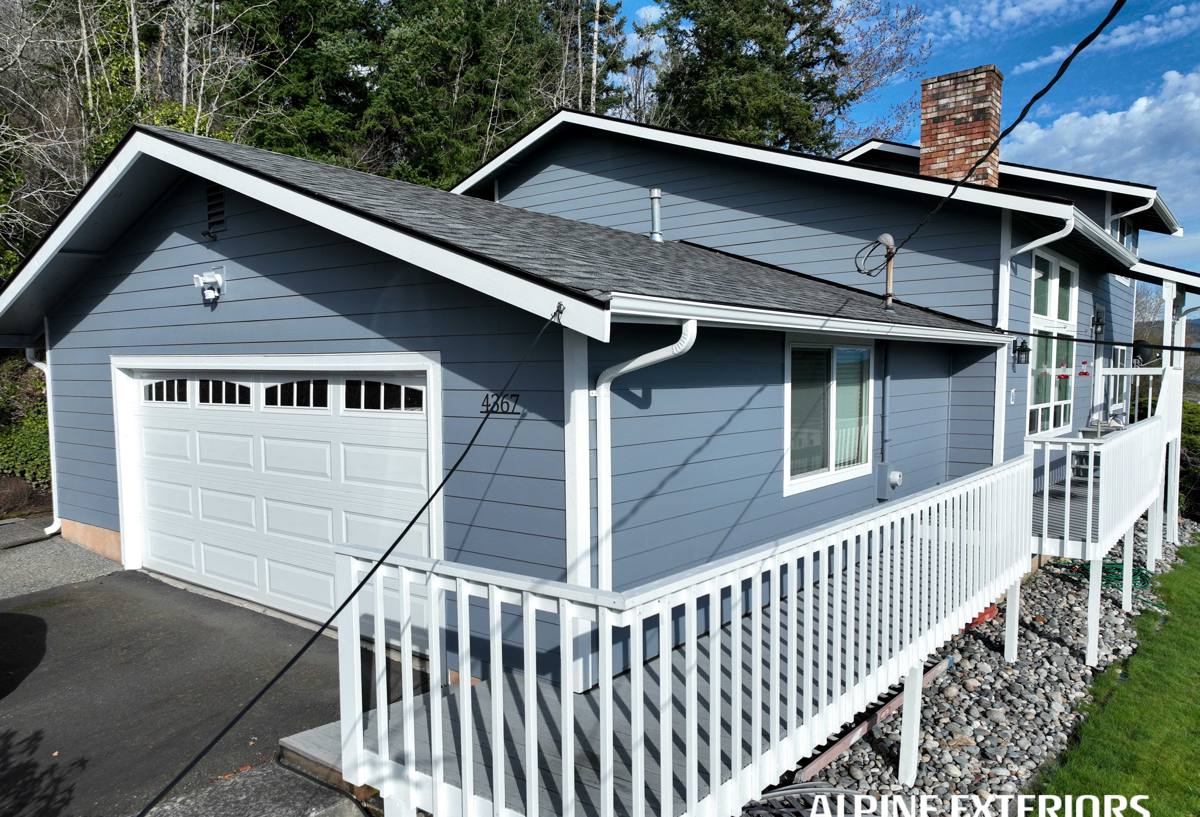
What the Building Code Actually Requires Out Here
Pinellas County, including Belleair Beach, falls within Florida's wind-borne debris region under the Florida Building Code. That designation drives real, specific requirements for a new roof — it's not just a suggestion for "good practice." Depending on the home's exact wind design speed (which varies by exposure and proximity to open water), a legal reroof here typically involves:
- A minimum roof covering wind uplift rating matched to the site's design wind speed, not a generic mid-grade product
- Enhanced or specified nailing patterns for the roof deck and the shingle or panel field, not standard-spacing nailing
- A code-required secondary water barrier (sealed deck or self-adhered underlayment at seams) so the house stays dry even if the primary roof covering is damaged in a storm
- Proper attachment of drip edge, and in many cases documentation for the wind mitigation inspection your insurer will eventually ask about
None of this is optional on a barrier island reroof, and a permit reviewer will check for it. We pull the permit and build to these specifics as a matter of course — it's not an upgrade, it's the baseline for a legal roof in this zip code.
Choosing a Roofing System for a Coastal Belleair Beach Home
There isn't one "right" roofing material for every house on the island — it depends on the roof's shape, the home's structure, your budget, and how long you plan to own the property. Here's an honest comparison of the systems we most often discuss with Belleair Beach homeowners:
| System | Coastal Durability | Maintenance | Relative Cost |
|---|---|---|---|
| Architectural asphalt shingle | Good with high wind-rated product and correct fastening | Periodic inspection, moderate lifespan in salt air | Lowest upfront cost |
| Standing seam metal | Very good — sheds wind and rain well, resists uplift when properly clipped | Low, but fastener/coating quality matters near salt air | Mid to upper range |
| Concrete or clay tile | Excellent material durability, but individual tiles can crack or dislodge in high wind if underlayment/attachment isn't right | Underlayment (not the tile) is usually what fails first and needs eventual attention | Highest, and adds roof weight the structure must support |
We'll tell you plainly if we think a particular system is a poor match for your roof deck, framing, or budget rather than steering you toward whatever is easiest for us to install. On a barrier island reroof, the underlayment and flashing details matter as much as the material on top — a premium roof covering over a weak secondary system is still a weak roof.
What a Correct Tear-Off and Installation Actually Involves
Deck Inspection and Repair
Once the old roof covering is off, the deck gets inspected board by board. Salt air and long-term moisture exposure can soften plywood or delaminate OSB, especially around old vent boots, chimneys, or valleys. Any soft, rotted, or delaminated decking gets replaced before anything else goes down — installing new shingles or panels over a compromised deck just hides the problem and voids the fastening the code requires.
Underlayment and Secondary Water Barrier
This is the layer that keeps water out if the roof covering is ever damaged, and it's where a lot of corner-cutting happens on cheap reroofs. We install a self-adhered or sealed underlayment system that meets the secondary water barrier requirement, with particular attention to valleys, penetrations, and low-slope transitions where wind-driven rain tends to find its way in.
Flashing, Fasteners, and Ventilation
Every chimney, wall intersection, skylight, and vent needs new flashing — reusing old flashing on a new roof is a common shortcut that leads to leaks within a few years. In a salt-air environment, fastener material matters too; we use corrosion-resistant fasteners appropriate for coastal exposure rather than standard hardware that can rust and lose holding power. We also check and correct attic ventilation as part of the install, since poor ventilation traps heat and moisture that shortens the life of any roofing material.
Our Belleair Beach Roof Installation Process
- On-site inspection and honest assessment — we look at the current roof, attic, and deck condition and tell you what we actually find, not just what sells a job
- Written proposal — system options, scope of work, and a clear estimate, explained in plain terms
- Permitting — we pull the permit and handle the required documentation so the job passes inspection and counts toward your wind mitigation credit
- Material staging — coordinated delivery that accounts for the limited street and driveway space common on barrier island lots
- Tear-off and deck repair — full removal of the old roof covering, deck inspection, and any necessary repairs before dry-in
- Dry-in and installation — underlayment, flashing, and the new roof covering installed to the specified nailing and attachment schedule
- Final inspection and cleanup — municipal inspection, magnetic sweep for debris, and a walkthrough with you before we call it done
Permitting and Insurance: What Belleair Beach Homeowners Should Know
A new roof on the island requires a permit and a final inspection — there's no shortcut around this, and any contractor offering to skip it is putting your insurance coverage at risk. Once the new roof passes inspection, it's also worth getting a fresh wind mitigation inspection done. Insurers in coastal Pinellas County weigh roof age, covering type, and attachment method heavily when pricing windstorm coverage, and a properly documented new roof with modern nailing and a secondary water barrier can meaningfully change your premium. We provide the documentation you'll need for that process as part of the job, not as an add-on.
Why Working With a Crew That Already Knows Belleair Beach Matters
Barrier island jobs come with logistics that don't apply to a typical mainland Largo reroof — narrow streets and limited staging space, dumpster and delivery timing around neighbors, and in some cases HOA or community guidelines on work hours and appearance during the project. A crew that's worked the island before plans for these things upfront instead of discovering them mid-job. We're a short drive from Belleair Beach out of Largo, which also means faster response if a storm is approaching and you need an emergency tarp or a follow-up inspection after high winds — we're not routing a crew in from across the county.
Signs Your Belleair Beach Roof Needs Replacement, Not Another Repair
Repairs make sense for isolated, recent damage. A full reroof usually makes more sense when you see a pattern rather than a single problem. Watch for:
- Shingles that are cracked, curling, or losing granules across large sections of the roof, not just one spot
- Multiple past repairs in different areas, suggesting the underlayment or deck is failing broadly
- Visible rust streaking or fastener corrosion on a metal roof
- Soft spots in the decking felt when walking the roof, or sagging visible from the ground
- Interior stains, musty attic odors, or daylight visible through the roof deck
- A roof covering that's approaching or past its expected service life, especially if it predates current wind mitigation standards
If you're not sure which category your roof falls into, an inspection is a better first step than guessing — and it costs you nothing to find out.
Caring for a New Roof on the Island
A correctly installed roof still benefits from basic upkeep in this environment. Keep gutters and valleys clear of debris so water moves off the roof the way it's designed to, and have the roof looked at after any major storm — not because we expect problems, but because catching a lifted shingle or a dented vent boot early is a lot cheaper than dealing with the water damage that follows if it's ignored for a season. We're happy to do a quick post-storm check for roofs we've installed.
If your Belleair Beach roof is showing its age or you're planning ahead of the next storm season, we'll come take a look and give you a straightforward, no-pressure estimate — just fill out the form below and let us know what's going on.