 Largo Window
 Belleair Beach Roofs Take a Different Kind of Beating
Belleair Beach sits on a narrow barrier island in Pinellas County, with the Gulf of Mexico on one side and the Intracoastal Waterway on the other. That location is what makes the area beautiful, and it's also what makes roofs there work harder than roofs just a few miles inland in Largo. There's no buffer of tree cover or rows of neighboring rooftops to slow wind down before it hits a house. Storms coming off the Gulf arrive with more force, more direct wind-driven rain, and more airborne salt than homes further from the water typically deal with.
Over time, that combination shows up as corroded fasteners, brittle or UV-cracked shingles, and flashing that's lost its seal years before it should have. A single storm can turn small, slow-building weaknesses into an active leak. Storm damage roof repair on a barrier island isn't just about patching what a specific storm broke — it's about repairing correctly enough that the next round of wind and rain doesn't find the same weak point again.
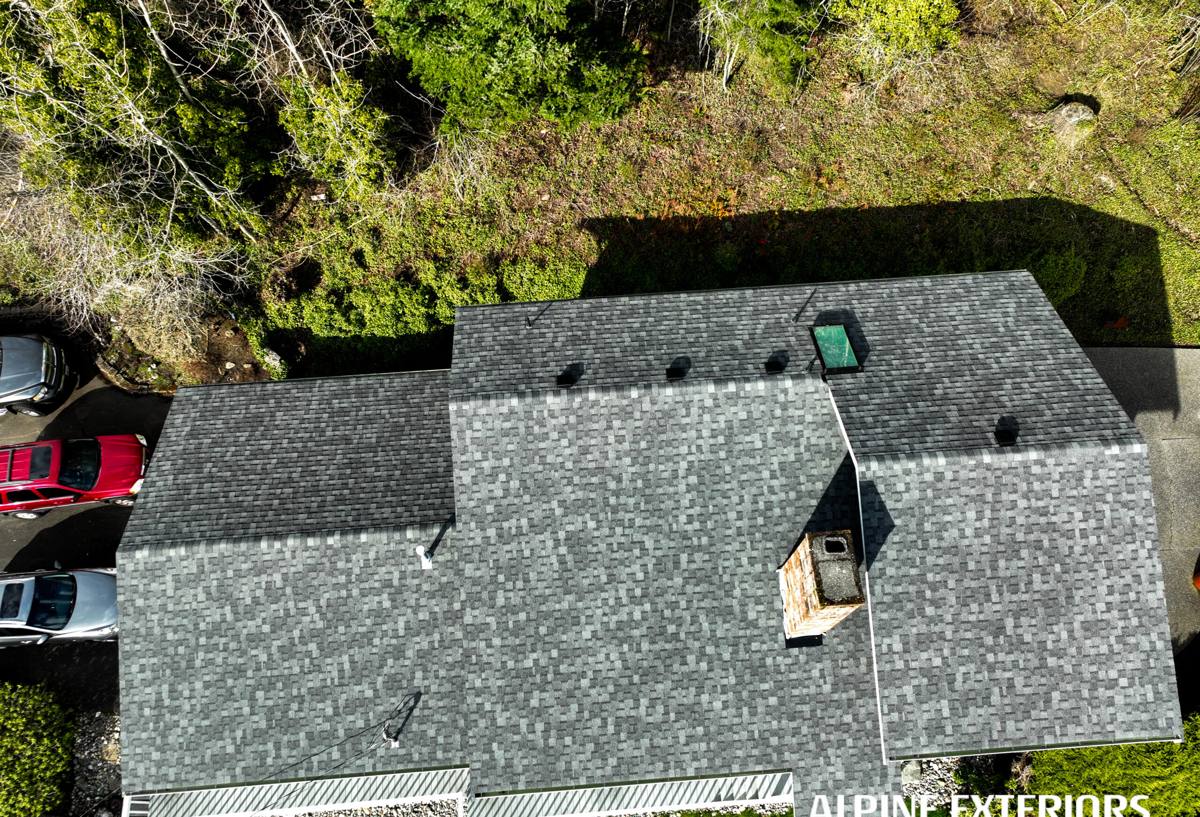
Recognizing Storm Damage Before It Becomes a Bigger Problem
Not all storm damage announces itself with a hole in the roof. Some of the most costly damage starts small and stays hidden until a leak shows up on a ceiling weeks or months later. After any significant wind event, it's worth checking for these signs, or having someone check for you:
- Shingles that are lifted, curled, creased, or missing outright
- Bald spots where granules have been stripped away, or granules collecting in gutters and downspouts
- Exposed or popped nail heads along shingle edges and ridge lines
- Soft or spongy spots when walking the roof, which often mean the deck underneath has taken on moisture
- Bent, lifted, or separated flashing around chimneys, vents, skylights, and roof-to-wall joints
- Water stains, discoloration, or sagging on interior ceilings, especially near exterior walls
- Dented or cracked roof vents, pipe boots, or other penetrations
- Debris marks, dings, or bruising on shingles from wind-borne material
Any one of these on its own might be minor. Several together, especially after a named storm or a sustained high-wind event, usually means it's time for a proper inspection rather than a wait-and-see approach.
What an Honest Storm Damage Repair Actually Includes
A repair that only replaces the shingles you can see is a repair that's likely to fail again in the next storm. Doing this correctly means looking at the whole system a shingle or tile relies on, not just the top layer.
Deck and Underlayment
If wind or water has gotten past the roof covering, the plywood or OSB deck underneath may be wet, delaminating, or soft. Underlayment that's torn, saturated, or past its service life won't protect the deck even after new shingles go back down over it. Any repair worth doing checks both before closing the roof back up.
Flashing and Penetrations
Most leaks after a storm don't come from open shingle fields — they come from flashing around chimneys, walls, skylights, and pipe boots that got lifted, bent, or had its sealant fail. Replacing shingles without correcting the flashing underneath them just hides the actual problem for a while.
Fastening to Current Wind Code
Florida's building code sets specific nailing patterns and fastener requirements for roofing in high-wind zones, and Pinellas County's coastal areas fall squarely in that category. A repair that reuses old fastening habits instead of current code requirements is a repair that's more likely to fail in the next storm, not less.
How Our Repair Process Works
Homeowners dealing with storm damage are usually stressed and short on time, so we try to keep the process straightforward from the first call to the final walkthrough.
- Inspection. We walk the roof and check the attic or interior ceilings where accessible, documenting exactly what the storm damaged versus what was pre-existing wear.
- Written scope and estimate. You get a clear explanation of what needs to be repaired, why, and what it will cost — no vague line items.
- Emergency tarping, if needed. If there's an active leak or exposed deck, we get it protected first so the damage doesn't spread while repairs are scheduled.
- Insurance documentation. If you're filing a claim, we provide photos and a damage report that matches what an adjuster will be looking for.
- Repair work. Deck, underlayment, flashing, and roof covering are addressed as a system, not as isolated pieces.
- Final walkthrough. We go over the completed work with you and provide documentation of what was done, including any applicable warranty paperwork.
Repair or Replace? What Actually Decides It
Not every storm-damaged roof needs to come off. But sometimes a repair is just delaying an inevitable full replacement, and it's better to know that up front. These are the factors that typically decide which direction makes sense:
| Factor | Leans Toward Repair | Leans Toward Replacement |
|---|---|---|
| Extent of damage | Isolated section or slope | Widespread across most of the roof |
| Roof age | Under 10-12 years, in otherwise good shape | Nearing or past its expected lifespan |
| Deck condition | Dry, structurally sound | Soft spots, rot, or repeated moisture exposure |
| Repair history | First or second repair | Third or more repair in a few years |
| Rough cost range | Several hundred to a few thousand dollars | Full roof replacement pricing, varies by size and material |
Those cost figures are broad and depend heavily on the size of the roof, the material, and how much of the underlying structure is affected — an accurate number only comes from an in-person look. What matters more is being told honestly which category a given roof actually falls into.
Materials and Methods We Use on Storm-Exposed, Salt-Air Roofs
The salt air off the Gulf and the Intracoastal is hard on metal. It's why we're selective about fasteners and flashing metal on any Belleair Beach roof — standard-grade fasteners can start corroding years before they would on an inland home, and a corroded fastener loses holding power exactly when a roof needs it most. We favor corrosion-resistant fasteners and flashing rated for coastal exposure, even when it costs a little more up front, because replacing a fastener is a lot cheaper than replacing a deck that got wet because one failed.
We're also particular about underlayment. Synthetic underlayment generally holds up better than older felt products under sustained UV exposure and repeated wet-dry cycling, which is exactly what a Gulf-facing roof deals with. That's a professional judgment call on our part based on how these materials behave over years of coastal exposure, not a claim that felt underlayment can't be used — it's about matching the material to the environment it has to survive in.
The same logic applies to sealants around penetrations and flashing joints: coastal UV and salt exposure age sealants faster than they age in most of the country, so we use products and application methods suited to that reality rather than defaulting to whatever's fastest to install.
Documenting the Damage for Your Insurance Company
Most storm damage claims move faster and get resolved more fairly when the documentation is thorough from the start. We photograph the damage in detail, note what's storm-related versus pre-existing, and put together a report that gives your adjuster what they need without guesswork. We're not there to inflate a claim or invent damage that doesn't exist — an honest scope holds up better under review than an exaggerated one, and it's the right way to do this regardless.
If you haven't filed a claim yet, having a written, photographed inspection on hand before you call your insurer can make that conversation considerably easier.
Why It Matters to Hire a Crew That Already Works This Barrier Island
Belleair Beach has its own logistics. Access can be tighter than on the mainland, bridge traffic and staging space matter more, and permitting runs through Pinellas County and local requirements that a crew unfamiliar with the area may not account for correctly the first time. A contractor who already works this stretch of coast knows what current wind-zone code actually requires here, not just generally for Florida, and isn't learning the neighborhood on your dime.
After a serious storm, response time also matters. Crews that already have a presence in Largo and the surrounding beach communities can typically get to a damaged roof faster than one coming from well outside the area — and with an active leak, days matter.
If your roof took a hit in the last storm, or you're just not sure whether what you're looking at is real damage or normal wear, we're happy to come take a look. The estimate is free, there's no pressure attached to it, and you'll walk away with a clear, honest answer either way — just fill out the form below to get started.