 Largo Window
 Why Indian Shores Roofs Wear Out Faster Than Inland Roofs
Indian Shores sits out on the barrier island, with nothing but open water and low dune grass between most homes and the Gulf. That exposure is part of what makes the island a great place to live, but it's hard on a roof. A shingle roof a few miles inland in Largo faces the same Florida sun and the same hurricane season, but it doesn't take the constant salt spray, the unbroken wind, or the humidity swings that an island roof deals with every single day. Over time, that difference shows up as granule loss, curling shingles, and corroded fasteners years before a roof should be showing its age.
A roof built for Indian Shores has to be treated differently from the start — not just a heavier shingle, but the right underlayment, the right fastening pattern, and flashing details that account for wind-driven rain finding every gap. This page covers what that actually looks like, and what to expect from a crew that installs and repairs shingle roofs on this stretch of Pinellas County on a regular basis.
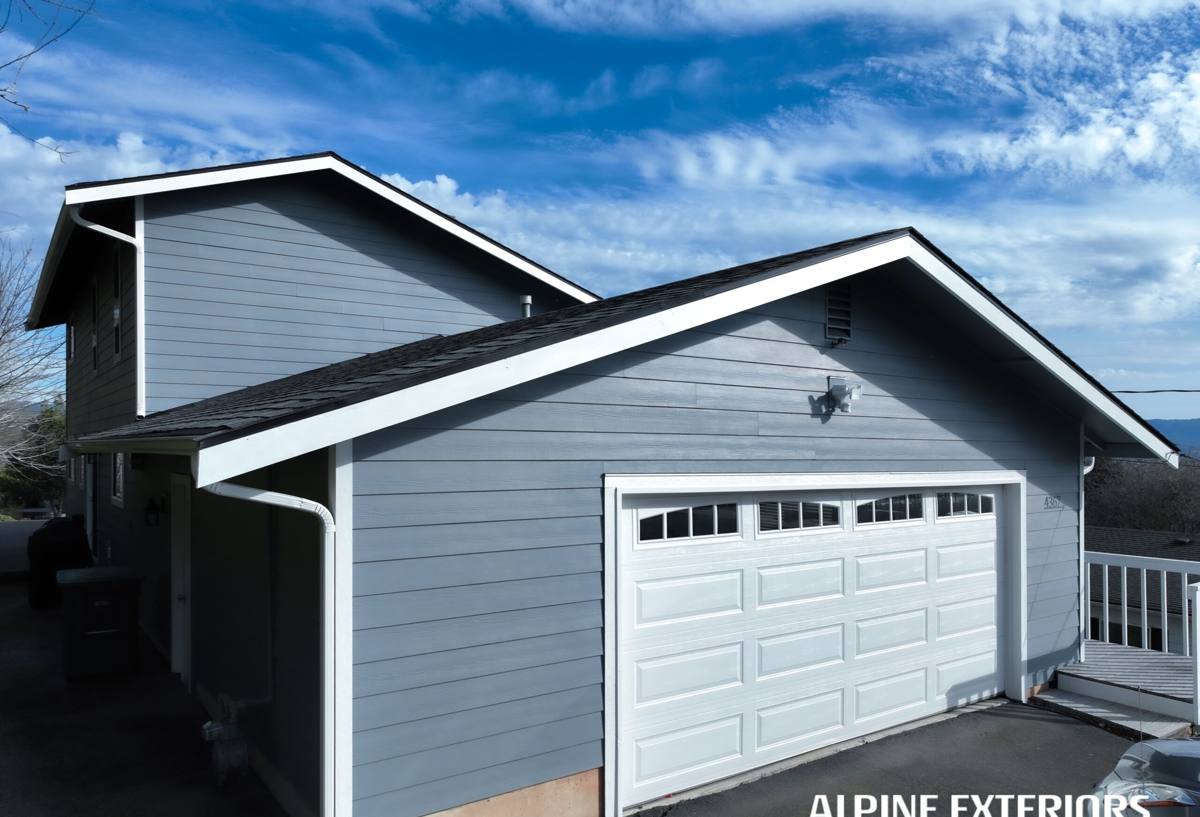
What a Shingle Roof on the Island Actually Has to Survive
Hurricane-Force Wind
Wind is the single biggest threat to any Pinellas County roof, and it's amplified out here. Storms don't lose any strength crossing a barrier island the way they might crossing miles of inland terrain first. Shingles get tested by wind uplift long before a named storm ever arrives — everyday Gulf breezes and afternoon squalls are constantly working at the edges, the ridge line, and any spot where a shingle isn't fully sealed down.
Nonstop UV Exposure
Florida sun is intense everywhere, but a roof with open water reflecting extra sunlight back up at it takes an even harder hit. UV breaks down the asphalt binders in a shingle over time, which is what eventually leads to granule loss, brittleness, and cracking. A roof that isn't built with adequate ventilation underneath will run hotter and age faster, regardless of how good the shingle itself is.
Salt Air and Corrosion
Airborne salt doesn't just affect metal railings and car parts near the coast — it works on every exposed metal component of a roofing system, including nails, flashing, and vent stacks. Fasteners that aren't rated for coastal exposure can start losing strength well before the shingles themselves wear out, which is one of the more common causes of premature leaks on island homes.
Wind-Driven Rain
During a tropical system, rain in Indian Shores rarely falls straight down. It comes in sideways, which means it can be forced up and under shingle edges, around vent boots, and along wall-to-roof transitions that would never leak in a normal rainstorm. This is why underlayment and flashing quality matter just as much as the shingle brand on the surface.
What Correct Asphalt Shingle Installation Looks Like Here
Sealed, Self-Adhering Underlayment
On the island, we treat the underlayment as the roof's real waterproofing layer, not a backup. A fully sealed, self-adhering underlayment (rather than a basic felt) closes off nail penetrations and gives the roof a second line of defense if wind ever lifts or damages shingles during a storm.
Starter Strip and Nailing Pattern
A correctly installed starter course and a nailing pattern that matches the shingle manufacturer's high-wind specification (not just the minimum code requirement) is what actually keeps shingles attached in sustained wind. This is one of the most common shortcuts taken on rushed jobs, and it's one of the least visible from the ground — which is exactly why it matters to hire people who won't skip it.
Flashing at Every Penetration and Wall
Every vent pipe, wall transition, chimney, and skylight is a place where water can get behind the shingles if the flashing isn't done correctly. On a wind-driven-rain coastline like this one, that flashing work is where most leaks either get prevented or get created.
Ridge and Attic Ventilation
Balanced intake and exhaust ventilation keeps attic temperatures down, which slows shingle aging from the underside and helps control moisture that could otherwise corrode fasteners or rot decking from within.
Choosing a Shingle Built for This Exposure
Not every asphalt shingle on the market is a good fit for a Gulf-front barrier island. The table below breaks down the common options in terms of what actually matters for a home in Indian Shores.
| Shingle Type | Wind Rating | Typical Lifespan Here | Best Fit For |
|---|---|---|---|
| Standard 3-tab | Lower wind rating, lighter weight | Shorter, due to constant coastal wind load | Budget-driven projects on more sheltered structures |
| Architectural / laminate | Higher wind rating than 3-tab, most models rated for high wind when installed to spec | Longer, with better resistance to granule loss and curling | Most Indian Shores homes — the standard recommendation |
| Impact-rated architectural | Highest available for asphalt shingles, often paired with insurance discounts | Comparable to standard architectural, with added impact resistance | Homes prioritizing insurance savings and storm debris protection |
In almost every case, we steer island homeowners toward an architectural shingle rated for high wind, installed with the fastening and underlayment details above. A cheaper 3-tab shingle can look fine on day one, but it's simply not built to hold up to the wind load an oceanfront property sees year-round, and the cost difference over the life of the roof rarely favors it.
Our Indian Shores Roofing Process
- Inspection and assessment — we look at the deck, existing flashing, ventilation, and any signs of past leaks before recommending anything.
- Honest scope and estimate — you get a written explanation of what's needed and why, in plain language, with no pressure to upsell beyond what the roof actually requires.
- Deck check and repair — any soft, water-damaged, or rotted decking is replaced before new material goes down. Roofing over bad decking is how good shingles end up failing early.
- Underlayment and flashing installation — sealed underlayment and properly formed flashing go in at every penetration and transition.
- Shingle installation to high-wind spec — correct starter course, exposure, and nailing pattern, matched to manufacturer requirements for coastal wind ratings.
- Ventilation check — intake and exhaust are verified to be balanced for the attic space.
- Final walkthrough and cleanup — the site is cleaned of debris and nails, and we walk the finished roof with you.
Permits, Wind Ratings, and Insurance in Pinellas County
Roofing work in Pinellas County requires a permit, and inspections check that installation matches the wind-rating and fastening requirements built into the Florida Building Code's coastal provisions. Because Indian Shores sits within the state's wind-borne debris region, code compliance isn't optional paperwork — it directly affects how the roof performs in a storm. We handle the permitting and make sure the finished roof will pass inspection the first time.
It's also worth asking your insurance carrier about roof-related discounts. Many insurers offer credits for impact-rated shingles, secondary water barriers, or documented high-wind nailing, since these features reduce the odds of a wind or water claim. A properly documented, code-compliant install can make a real difference on renewal premiums for a coastal property.
Signs Your Roof Is Telling You Something
Most roof failures on the island don't happen all at once — there are warning signs first. Worth checking for periodically, especially after any strong wind event:
- Granules collecting in gutters or at the base of downspouts
- Shingles that look curled, cupped, or lifted at the edges
- Bare or shiny spots where granules have worn away
- Rust streaking around vent boots, flashing, or nail heads
- Soft spots or sagging when walking the roof (or visible sagging from the ground)
- Water stains on interior ceilings, especially near exterior walls or penetrations
- Missing shingles or exposed underlayment after a storm
- Daylight visible through the attic roof deck
Any one of these is worth a professional look before it turns into a bigger repair.
Between Roofs: Simple Maintenance That Extends Life
A shingle roof isn't maintenance-free, especially this close to the water. Keeping gutters clear so water doesn't back up under the shingle edge, trimming back overhanging vegetation that holds moisture against the roof, and having the roof looked at after any major storm are the simplest ways to catch small problems before they become leaks. A quick post-hurricane-season inspection is one of the best habits an Indian Shores homeowner can keep.
Why It Matters to Hire a Crew That Already Works This Island
A roofing crew that mostly works inland neighborhoods may not think twice about corrosion-resistant fasteners, sealed underlayment, or the extra flashing detail a wall transition needs when wind-driven rain is a regular event rather than a once-a-decade storm. Those aren't upgrades on Indian Shores — they're what a correctly built roof requires here. Working this stretch of the Pinellas County coastline regularly means knowing which shortcuts fail first in this environment, and building roofs that don't take them.
If your Indian Shores home needs a new roof, a repair, or just an honest inspection, we're happy to take a look and walk you through your options. Reach out for a free, no-pressure estimate using the form below.