 Largo Window
 Siding Installation in Kenneth City Has to Hold Up to More Than Curb Appeal
Kenneth City sits in the dense residential heart of Pinellas County, close enough to the Gulf that salt air is a constant, and squarely in a part of Florida that takes hurricane-force wind seriously every single season. For a homeowner here, siding installation isn't just a cosmetic upgrade — it's the exterior system standing between a house and sustained wind loads, wind-driven rain, and some of the most intense year-round UV exposure in the country. A siding job that looks great on install day but wasn't put on to spec is a problem that usually doesn't show up until the next storm, and by then it's a much bigger fix than it would have been to do right the first time.
This page is specifically about siding installation for Kenneth City homes — new siding on a fresh build or a full re-side of an existing house, not spot repair — and what separates a correct installation from one that just looks finished when the crew packs up. We install James Hardie fiber cement exclusively, and everything below assumes that system, since it's the only product we install to spec on homes in this area.
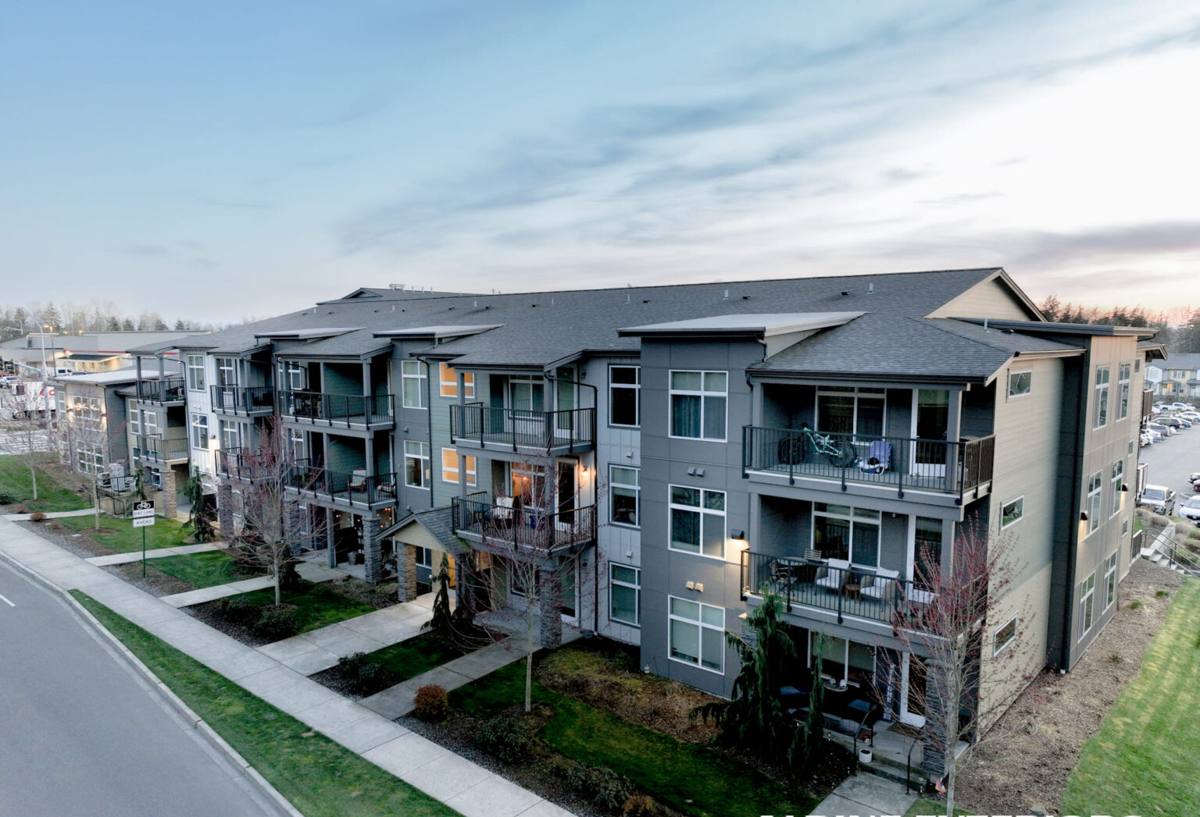
What Pinellas County's Climate Demands From the Installation
Hurricane-Force Wind
Kenneth City sits inside a wind zone where siding has to be engineered and fastened for sustained tropical-storm and hurricane-force gusts, not just ordinary weather. That changes what "correctly installed" means: fastener type, spacing, and embedment depth all have to match published specifications for the wind loads this part of Pinellas County actually sees, not a generic national default. Panels that are under-fastened or spaced too loosely can hold up fine in an average year and still fail in the first serious storm.
Year-Round UV
Florida's sun angle and day length put more cumulative UV load on exterior surfaces here than most of the country sees in a year. Lower-grade paints and field-applied coatings break down under that kind of exposure, which is why so many older homes in this area show chalky, unevenly faded siding on their sun-facing walls well before the shaded side of the same house looks worn. That's not a defect — it's just what happens to a coating that wasn't engineered for Florida sun.
Wind-Driven Rain
Ordinary vertical rain is easy for almost any properly installed siding to shed. Rain that's being pushed sideways by 40, 50, or 60-plus mile-an-hour wind is a different problem — it finds its way into butt joints, fastener penetrations, and trim intersections that would stay bone dry in a calm rain event. After a storm season or two, homes with marginal flashing or aging sealant start showing water intrusion at exactly those points, usually well before the siding itself looks obviously damaged.
Salt Air
Kenneth City's proximity to the Gulf means airborne salt settles on exterior surfaces here as a matter of course. Salt accelerates corrosion on exposed metal fasteners and trim hardware, and it can interact with certain coatings and adhesives over years of exposure. It's a slow, cumulative effect rather than a dramatic one, but it's a real part of why fastener choice and finish quality get more scrutiny on a job here than they would further inland.
What a Correct James Hardie Installation Actually Involves
Fastening to Local Wind Code
James Hardie publishes exact fastener type, spacing, and placement requirements, and those requirements shift depending on product line and wind exposure. Following that spec precisely — not an approximate version of it — is what keeps siding secured through a real hurricane-force event, and it's what keeps the manufacturer's warranty valid if a problem ever does come up down the line.
Water-Resistive Barrier and Flashing
Underneath every correctly installed siding job is a continuous water-resistive barrier, properly lapped and sealed at every seam, window, door, and wall penetration before any siding covers it up. This layer is what actually keeps wind-driven rain out of the wall assembly. Siding is the visible finish; the barrier and flashing underneath it are what do the real work during a bad storm.
Clearances and Sealed Edges
James Hardie specifies minimum clearance between the bottom of the siding and grade, roofing, decks, and other horizontal surfaces, and every field-cut edge needs to be sealed or primed rather than left raw. Skipping either of these is invisible on install day and shows up years later as soft spots, staining, or premature paint failure right at those clearance points.
Comparing Siding Options for a Kenneth City Home
| Factor | Vinyl | Engineered Wood | James Hardie Fiber Cement |
|---|---|---|---|
| Wind performance in hurricane-force gusts | Hung loosely to allow expansion; more vulnerable to being torn loose in sustained high wind | Solid when properly fastened and edge-sealed | Rigid, mechanically fastened, engineered and rated for high-wind zones |
| Behavior under intense, year-round UV | Can fade, chalk, and become brittle over years of Florida sun | Factory finish quality varies by product | Factory-applied ColorPlus finish resists fading and chalking |
| Moisture and humidity tolerance | Doesn't rot, but traps humid air behind the panel | Wood-fiber core can swell if the factory edge seal is ever compromised | Non-organic; doesn't swell or support rot |
| Salt air exposure | Panel itself is generally stable; fasteners can still corrode | Generally stable; fasteners can still corrode | Generally stable; correct fastener spec matters most here |
| Combustibility | Can soften or deform under extreme heat | Combustible, being wood-based | Non-combustible |
Our Installation Process for a Kenneth City Home
Every project starts with a walk of the exterior to see what's actually happening, not just what's visible from the street — checking for soft spots near window and door trim, looking at flashing where the roofline meets the walls, and assessing how the current siding has held up through past storm seasons. Kenneth City has a real mix of housing ages, so we see everything from original decades-old siding to homes that have already been through a prior re-side with a different product.
Once we know what we're working with, the process itself generally runs:
- Exterior inspection and moisture assessment before any tear-off begins
- Removal of existing siding and inspection of the sheathing underneath
- Repair or replacement of any damaged sheathing or framing uncovered during tear-off
- Installation of a continuous water-resistive barrier with properly lapped, sealed flashing
- James Hardie plank, panel, or shingle siding installed to manufacturer spec and local wind code
- Trim, corner boards, and fascia work matched to the chosen Hardie product line
- Final walkthrough covering caulking, touch-up needs, and basic care instructions
New Construction vs. Re-Siding an Existing Home
Installing siding on new construction and re-siding an existing Kenneth City home share the same fastening and flashing standards, but they're different jobs in practice. New construction means building onto fresh sheathing and a new barrier system, with no surprises hiding behind the wall. Re-siding an older home adds a discovery phase — an honest look at what the original construction and any past repairs left behind, and often correcting outdated detailing like inadequate clearances or a barrier that was never properly installed, before new siding can go up correctly. Given how many homes in this part of Pinellas County are original construction from decades past, re-siding is the more common project we run here.
A Checklist for a Correct Installation
Whether you're evaluating our work or getting a second opinion from another contractor, these are reasonable things to confirm before a siding installation is considered finished:
- Fastener type, spacing, and embedment matched to the home's actual wind zone rating
- Documented clearance between the bottom of the siding and grade, decks, and roofing
- Flashing visible and properly lapped at every window, door, and wall penetration before siding covers it
- All field-cut edges sealed or primed, not left raw
- A continuous, properly lapped water-resistive barrier underneath the siding
- Installation that follows James Hardie's published fastening and spacing spec, not a generalized approach
- A final walkthrough where the contractor explains what was done, not just a closing invoice
Why a Crew That Already Works Kenneth City Matters
Installation quality on paper and installation quality in the field aren't always the same thing, and the gap shows up fastest in a demanding climate like this one. A crew that regularly installs siding on homes exposed to Pinellas County's combination of hurricane-force wind, relentless UV, and salt air makes different judgment calls than a crew installing here occasionally between jobs elsewhere — where extra flashing attention actually pays off, which fastener spec holds up through a real storm, and which shortcuts simply can't be taken regardless of schedule pressure. That kind of judgment comes from doing this work repeatedly in this specific place, on this specific building stock, not from applying a generic checklist the same way everywhere.
It also matters for permitting. Pinellas County's wind zone requirements affect fastening schedules and product specifications, and a contractor who pulls permits in this county regularly knows what local inspectors expect, rather than treating it as an afterthought.
If you're planning new siding for a Kenneth City home, or want a straightforward second opinion on whether an existing installation was done correctly, we're glad to take a look. Reach out using the form below for a free, no-pressure estimate.