 Largo Window
 Madeira Beach Roofs Take a Beating Most Places Don't
A roof in Madeira Beach works harder than a roof almost anywhere inland. It sits a few blocks from the Gulf, which means salt-laden air is constantly settling on shingles, fasteners, and flashing. It takes direct, high-angle sun for most of the year, which bakes asphalt shingles and accelerates the breakdown of the oils that keep them flexible. And several times a year, it has to shrug off tropical-storm or hurricane-force wind gusts along with the wind-driven rain that comes sideways instead of straight down. None of these stresses are exotic on their own, but stacked together, year after year, they separate a roof that was installed correctly from one that was just installed.
This page is about one thing: asphalt shingle roofing, done right, specifically for homes in this part of Pinellas County. Not a generic overview of shingles — what actually matters for a roof that has to survive this particular stretch of coastline.
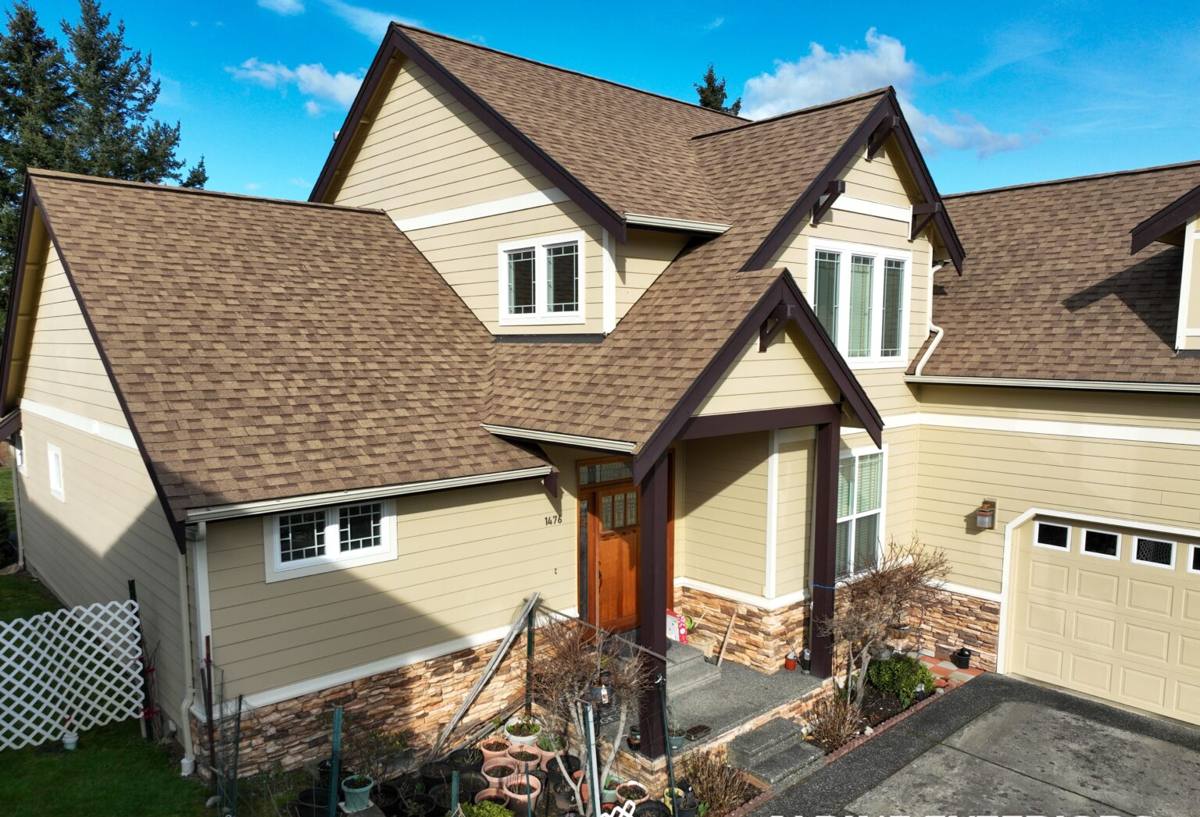
What "Correct" Asphalt Shingle Roofing Actually Means Here
Asphalt shingles are not a commodity product once you're this close to the water. The shingle itself, the fasteners, the underlayment, and the ventilation all have to be chosen and installed with the local exposure in mind. A roof that would be perfectly adequate in a low-wind, low-humidity climate can underperform quickly here if any one of those pieces is treated as an afterthought.
Wind-Rated Shingles and Proper Nailing
Florida's building code sets minimum wind-resistance requirements for a reason, and coastal Pinellas County sits in one of the higher-demand wind zones in the state. The shingle's wind rating only means something if the installation matches it — correct nail count, nail placement within the manufacturer's designated zone, and full seal-strip adhesion. Shingles that lift at the corners in a storm almost always trace back to under-nailing or nails driven at the wrong angle, not a defective product.
Underlayment That Actually Sheds Wind-Driven Rain
In a straight-down rain, almost any underlayment will do its job. The problem in Madeira Beach is wind-driven rain that gets pushed sideways and upward under the shingle tabs. That's why synthetic underlayment with properly lapped and sealed seams, along with self-adhering membrane at eaves, valleys, and roof-to-wall transitions, matters more here than it does 50 miles inland. This is also where most slow, hard-to-diagnose leaks actually start — not through the shingle field, but through a transition detail that was rushed.
Ventilation That Fights UV and Attic Heat
Intense, near-constant sun doesn't just fade shingles — it drives attic temperatures up, which cooks shingles from underneath and shortens their service life. Balanced intake and exhaust ventilation keeps attic heat from working against the roof from below at the same time UV is working against it from above.
Signs Your Roof Is Telling You Something
Most roofing problems on the Pinellas coast don't show up as a dramatic leak first — they show up as small signals that get ignored because the roof "still looks fine" from the driveway. Worth checking for periodically, especially after any named storm passes through:
- Shingle granules collecting in gutters or at downspout outlets
- Shingles that look curled, cupped, or raised at the corners
- Cracked or missing shingles, particularly after high wind
- Dark streaking or algae staining across the roof plane
- Soft spots, sagging, or discoloration on interior ceilings
- Rusted or lifted flashing around chimneys, vents, and skylights
- Visible daylight or gaps in the attic where the roof deck meets the walls
Any one of these, on its own, might not mean much. A pattern of two or three usually does.
Choosing a Shingle for Sun, Salt, and Storms
Not every asphalt shingle line is built the same, and the differences matter more here than they would somewhere without coastal sun and salt exposure. The comparison below covers the general categories homeowners in this area are usually choosing between.
| Shingle Type | Typical Wind Rating | Best Fit For | Trade-Off |
|---|---|---|---|
| 3-Tab (standard) | Lower end of code-compliant range | Budget-conscious replacements, rental properties | Shortest expected lifespan; less resistant to repeated storm cycles |
| Architectural / Laminate | Mid-to-high, varies by product line | Most owner-occupied homes in this area | Higher upfront cost than 3-tab, but noticeably better wind and wear performance |
| Impact-Resistant Rated | High, often paired with a Class 4 impact rating | Homes prioritizing storm resilience and possible insurance credits | Highest material cost of the three |
Algae-resistant granules are worth asking about regardless of which line you choose — the humidity here makes dark algae streaking a common cosmetic issue on standard granules within a few years.
How We Approach a Madeira Beach Roofing Job
Every roof is a little different, but the sequence we follow doesn't change:
- Inspection first. We look at the deck, flashing, ventilation, and current shingle condition before recommending anything — repair and full replacement are both legitimate outcomes depending on what we actually find.
- Honest scope, in writing. You get a clear explanation of what's being replaced, what underlayment and flashing details are included, and why — not just a single line-item price.
- Deck inspection during tear-off. Any soft, delaminated, or water-damaged decking gets identified and addressed before new material goes down. This step gets skipped by crews in a hurry, and it's the one that causes problems years later.
- Correct underlayment and flashing details. Eaves, valleys, and wall transitions get the attention they need for wind-driven rain, not just the open field of the roof.
- Installation to spec. Nail pattern, exposure, and starter course all follow the manufacturer's requirements for the wind zone — this is also what keeps the manufacturer's warranty valid.
- Final walkthrough. We go over the completed roof and the ventilation and cleanup with you before calling the job done.
Repair or Replace? What Actually Drives the Decision
This is one of the most common questions we get, and the honest answer is "it depends on more than age." The table below covers the main factors that push a decision one way or the other.
| Factor | Leans Toward Repair | Leans Toward Replacement |
|---|---|---|
| Age of roof | Well within expected lifespan | At or past the shingle manufacturer's expected service life |
| Damage pattern | Isolated to one area (single slope, one flashing point) | Spread across multiple roof planes |
| Deck condition | Sound decking underneath | Soft, delaminated, or water-stained decking found during inspection |
| Storm history | Minor, cosmetic wind damage | Repeated storm exposure with cumulative granule loss and lifted shingles |
| Cost | A few hundred dollars for a targeted repair | A full replacement typically runs well into the thousands, scaling with roof size and material choice |
We won't recommend a full replacement when a repair genuinely solves the problem, and we won't recommend patching a roof that's structurally past the point where repair makes financial sense.
Permits, Codes, and Insurance Considerations in Pinellas County
Roofing work in this part of Florida is permitted and inspected by the local building department, and that's not a formality to shortcut — it protects you if there's ever a warranty dispute, an insurance claim, or a future sale where the buyer's inspector asks for permit history. Pinellas County's wind-load requirements are also stricter than what you'll find in many other parts of the country, which affects fastening schedules and underlayment requirements on every roof, not just ones near the immediate coastline.
If you're carrying wind or named-storm coverage, ask your insurer what documentation they want at the time of installation. Some carriers offer premium credits for impact-rated shingles or documented compliance with current wind-mitigation standards — it's worth confirming before the work starts, not after.
Why It Matters That We Already Work in Madeira Beach
A roofing crew that mostly works inland, away from direct coastal exposure, doesn't run into salt-air corrosion on fasteners and flashing as a routine part of the job. A crew that works Madeira Beach and the surrounding Gulf-facing communities regularly does — and that shapes decisions on materials, fastener choice, and flashing details that don't show up as line items on a quote but show up in how long the roof actually lasts.
It also means we're not guessing at wind zone requirements or permitting expectations for this stretch of Pinellas County — we're working within them on a regular basis. That familiarity is part of what you're paying for when you hire local, even if it's not something you can put a price tag on directly.
If your roof is showing any of the signs above, was installed before the last major storm cycle, or you just want a straight answer on repair versus replacement, we're happy to take a look. Fill out the form below for a free, no-pressure estimate — we'll tell you what we actually see, not just what sells a job.