 Largo Window
 Safety Harbor's Climate Doesn't Go Easy on Exterior Siding
Safety Harbor sits right on Old Tampa Bay in Pinellas County, and that waterfront location shapes what a home's exterior has to survive year after year. Salt-laden air drifts inland off the bay and settles on every exposed surface, including siding, trim, and fasteners. Add in hurricane-season wind gusts, wind-driven rain that gets pushed sideways into wall assemblies, and some of the most consistent, intense UV exposure in the continental United States, and you have a climate that is genuinely hard on building materials — not just uncomfortable for them.
Homeowners in Safety Harbor tend to notice the effects gradually: paint that used to look fresh for a decade now fades or chalks in five or six years, caulk lines that crack and open gaps, and siding seams that let moisture creep in behind the surface where it can't dry out. None of that is a sign of bad luck. It's what happens when a siding product and installation method aren't matched to a coastal, subtropical climate. This page is about what fiber cement siding needs to do differently in Safety Harbor, and how we install it so it actually holds up here.
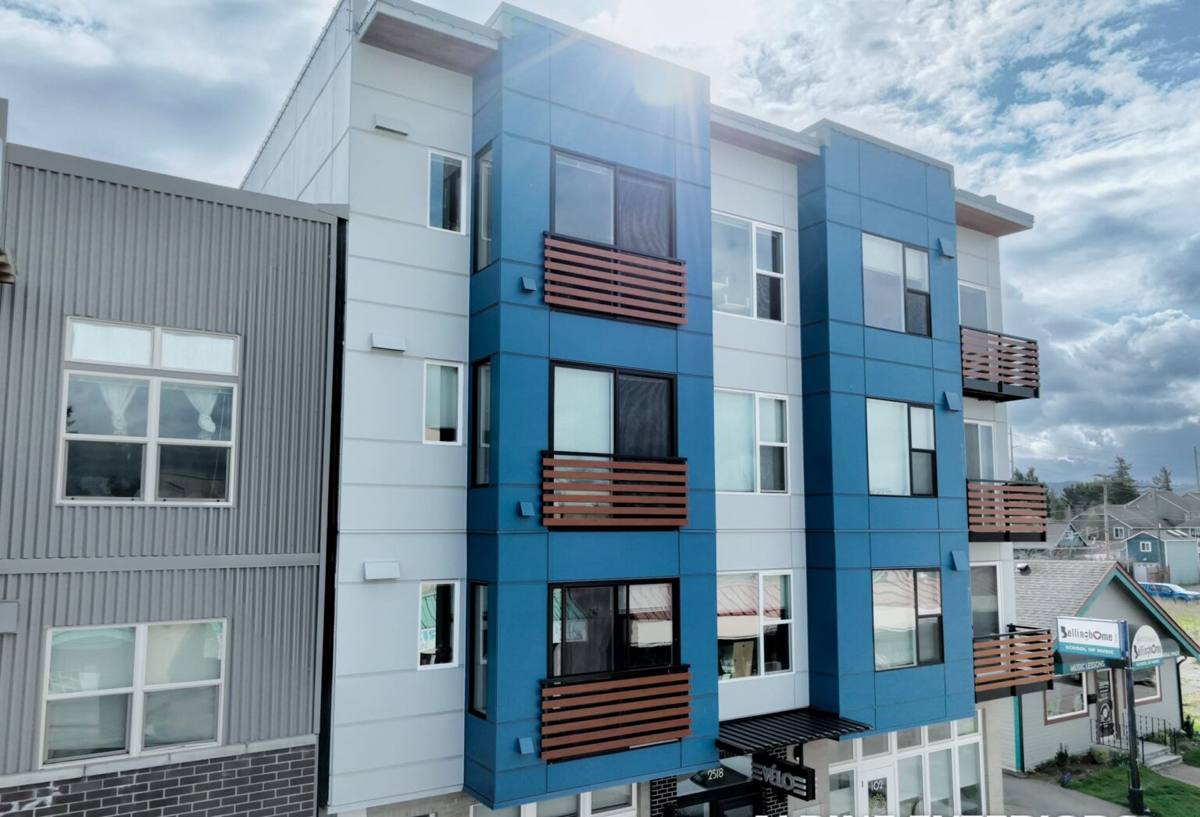
What Fiber Cement Needs to Deliver on a Safety Harbor Home
Standing Up to Wind and Wind-Driven Rain
Pinellas County falls within Florida's high-velocity wind zones for exterior construction, and Safety Harbor's exposure to open water over the bay means wind loads on a home's siding are a real engineering consideration, not a formality. Siding has to stay mechanically fastened under sustained gusts, and just as importantly, the assembly behind it has to keep wind-driven rain from being forced past the surface layer during a storm. A siding job that looks fine on a calm day can still fail during the next named storm if the fastening pattern or water-management details underneath weren't done correctly.
Handling Humidity Without Trapping Moisture
Tampa Bay's humidity is high for most of the year, which means siding rarely gets a long, dry stretch to fully release any moisture it picks up. A siding material and installation method both need to manage water intelligently — shedding it outward, allowing drainage at the bottom of the wall, and not sealing moisture into places it can't escape from. This matters more in Safety Harbor than it does in a dry inland climate, where mistakes are more forgiving.
Keeping Its Color Under Constant Sun
Florida's UV index runs high nearly all year, and siding is a fixed target for it — south- and west-facing walls in particular. Paint that isn't engineered for this kind of sun exposure fades unevenly, chalks, and needs repainting on a schedule most homeowners find frustrating. A factory-applied finish designed for UV resistance holds its color dramatically longer than field-applied paint on lesser materials.
Why We Only Install James Hardie Fiber Cement
We install James Hardie fiber cement exclusively — not vinyl, not engineered wood products like LP SmartSide, not primed spruce or cedar, and not other fiber cement brands. That's a deliberate professional standard, not a sales preference. Hardie's HZ5 product line is specifically engineered for climate zones like ours, with an emphasis on resisting moisture-related damage in humid, storm-exposed regions. It's non-combustible, which matters in a state where storm season overlaps with dry, wind-driven brush fire risk in some inland areas, and it carries a ColorPlus factory finish baked onto the board under controlled conditions — not sprayed on-site where humidity, temperature, and dust all affect how well paint bonds and cures.
| Material | Salt Air / Coastal Exposure | Wind & Storm Behavior | Color Retention | Long-Term Maintenance |
|---|---|---|---|---|
| Vinyl siding | Doesn't corrode, but can become brittle and discolor in constant UV and heat | Can crack, warp, or blow off in high wind if not rated and installed correctly | Fades over time; color is molded through the panel, not repaintable easily | Low, but limited lifespan in intense sun climates |
| Engineered wood (LP SmartSide) | Wood-based core is vulnerable if moisture gets past the finish | Generally solid when installed to spec | Field or factory paint can fade; touch-up matching can be difficult | Moderate; edge sealing and caulk maintenance are important |
| Standard (non-HZ) fiber cement | Not engineered for high-moisture climates specifically | Solid, but not optimized for our humidity profile | Depends on finish quality | Moderate |
| James Hardie HZ5 fiber cement | Engineered for humid, coastal climate zones like ours | Rated for high-wind regions when installed to Hardie's fastening spec | ColorPlus factory finish, backed by a specific finish warranty | Low; no repainting cycle needed for years |
We're not going to claim other products are junk — vinyl and engineered wood both have legitimate uses, and plenty of manufacturers make a decent product. Our position is narrower: for a Safety Harbor home dealing with salt air, sun, and storm exposure every single year, we've seen which product system holds up with the least maintenance burden and the strongest backing, and it's Hardie. That's what we put our name behind.
What a Correct Fiber Cement Installation Involves
Fiber cement siding is only as good as the installation underneath it. A rushed or generic install can undercut even the best product, and it's a big reason why some homeowners end up with premature problems they assume are the material's fault.
Moisture Management Behind the Siding
Correct installation starts with a proper weather-resistive barrier and flashing at every penetration — windows, doors, hose bibs, electrical fixtures, and anywhere else something breaks the plane of the wall. Water has to be directed out and down, never trapped behind the siding. This is the layer nobody sees once the job is done, and it's the layer that determines whether a wall assembly stays healthy for decades or starts hiding rot and mold within a few years.
Fastening, Clearances, and Joints
Hardie specifies fastener type, spacing, and placement for a reason — get it wrong and you compromise both wind performance and the product's warranty coverage. Board clearance above rooflines, decks, and grade also matters: siding installed too close to the ground or to a horizontal surface wicks up moisture and fails early, regardless of how good the material is. Butt joints at board ends need to be treated correctly — sealed or flashed, not just butted together and caulked as an afterthought.
Trim, Caulking, and the Factory Finish
ColorPlus finish is designed to be touched up with a matched, purpose-made product at cut edges and any place the factory coating is disturbed — not repainted with a generic exterior paint that won't age the same way. Trim details and caulk joints are where a lot of shortcuts happen on rushed jobs; done right, they're a small percentage of the total labor but a large percentage of how the finished job resists wind-driven rain over the next fifteen years.
Our Process for Safety Harbor Projects
- On-site assessment of your current siding, wall condition, and any moisture or storm damage already present
- Product and ColorPlus color selection suited to your home and, where relevant, HOA or neighborhood guidelines
- Permitting through Pinellas County or the City of Safety Harbor as required for the scope of work
- Removal of old siding and inspection of sheathing underneath for hidden rot or moisture damage before anything new goes up
- Installation of the weather-resistive barrier, flashing, and Hardie fiber cement to manufacturer specification
- Final walkthrough and inspection with you before we consider the job complete
We don't skip the sheathing inspection step. It's common on older Safety Harbor homes to find some degree of hidden moisture damage once the old siding comes off, especially around window openings and lower wall sections near grade. Finding that early, while the wall is open, is far cheaper and simpler than discovering it years later as a mystery interior stain or soft spot.
Signs Your Current Siding Is Already Behind
Some early warning signs are easy to miss because they develop slowly. Worth checking for:
- Paint that's chalking, peeling, or fading unevenly, especially on south- and west-facing walls
- Caulk joints around trim, windows, or seams that have cracked, shrunk, or pulled away
- Soft spots, bubbling, or a spongy feel when you press on siding near the bottom of walls
- Visible warping, buckling, or panels that no longer sit flat against the wall
- Musty odors or discoloration on interior walls that share an exterior wall with visibly aging siding
- Rust streaks near fasteners, which often signal the wrong fastener type was used originally
Any one of these on its own isn't necessarily an emergency, but a few together usually mean the current siding and the wall assembly behind it are due for a closer look before the next storm season.
What Fiber Cement Siding Costs in Safety Harbor — And What Drives the Number
Every home is different, and we don't quote a number without seeing the job, but the factors that move the price up or down are consistent across most Safety Harbor projects.
| Cost Factor | Why It Matters |
|---|---|
| Home size and wall complexity | More square footage and more corners, gables, and trim details mean more labor and material |
| Condition of existing sheathing | Hidden moisture damage found during tear-off adds repair scope before new siding can go up |
| Board profile and texture | Lap siding, shake-style panels, and vertical board-and-batten carry different material and labor costs |
| Trim and accessory work | Fascia, soffit, and window/door trim replacement alongside siding affects total scope |
| Access and site conditions | Multi-story sections, tight lot lines, or landscaping obstacles affect labor time |
| Color selection | Standard ColorPlus colors versus premium or custom-matched options can shift pricing |
A free on-site estimate is the only reliable way to get real numbers for your home rather than a broad average that may not reflect what's actually behind your walls.
Why Hiring a Crew That Already Works in Safety Harbor Matters
Siding work isn't identical from one city to the next, even within Pinellas County. A crew that regularly works Safety Harbor already understands the local permitting process with the City and County, knows the general age and construction style of homes in the area, and has a realistic sense of how close to the bay a given property sits and what that means for wind and moisture exposure. That local familiarity shows up in small but meaningful ways — fewer permitting delays, fewer surprises once old siding comes off, and product and color recommendations that actually fit the neighborhood rather than a one-size-fits-all suggestion.
It also matters for accountability. A crew with an ongoing presence in Safety Harbor has a reason to stand behind the work years down the line, not just disappear once the invoice is paid. When you're vetting any exterior contractor, ask directly about local project history, how they handle warranty callbacks, and who specifically will be on your roof and walls — not just who answers the phone.
Caring for Your Siding After Installation
Correctly installed Hardie fiber cement is genuinely low-maintenance, but "low" isn't "none." A periodic rinse to clear salt residue and pollen buildup, an annual look at caulk joints and trim for any early separation, and prompt attention if a storm causes visible impact damage will keep the system performing the way it's designed to. None of this requires repainting on a routine cycle the way older or lesser-finished siding does — that's a large part of the long-term value.
If you're weighing your options for siding in Safety Harbor, we're glad to walk your property, look at what's there now, and give you a straight assessment — no pressure, no inflated urgency. Use the form below to request a free estimate.