 Largo Window
 Board & Batten Siding in a Gulf Coast Climate
Board and batten has become one of the most requested siding profiles in Pinellas County, and it's easy to see why. The bold vertical lines read as modern farmhouse, coastal cottage, or clean contemporary depending on the trim and color, and it works well as a full-house treatment or as an accent on gables, dormers, and porch faces. But St. Petersburg's climate is not gentle on exterior materials, and board and batten has more failure points than a standard horizontal lap profile if it isn't built correctly. Between hurricane-season wind loads, near-constant UV exposure, wind-driven rain off Tampa Bay and the Gulf, and salt air working its way inland from the coastline, the wrong material or the wrong installation detail shows up faster here than it would in a drier, cooler part of the country.
This page covers what board and batten siding needs to hold up in St. Petersburg specifically, what a correct installation actually involves, and why we only install it in James Hardie fiber cement rather than the vinyl, wood, or engineered wood versions that are also sold under the same name.
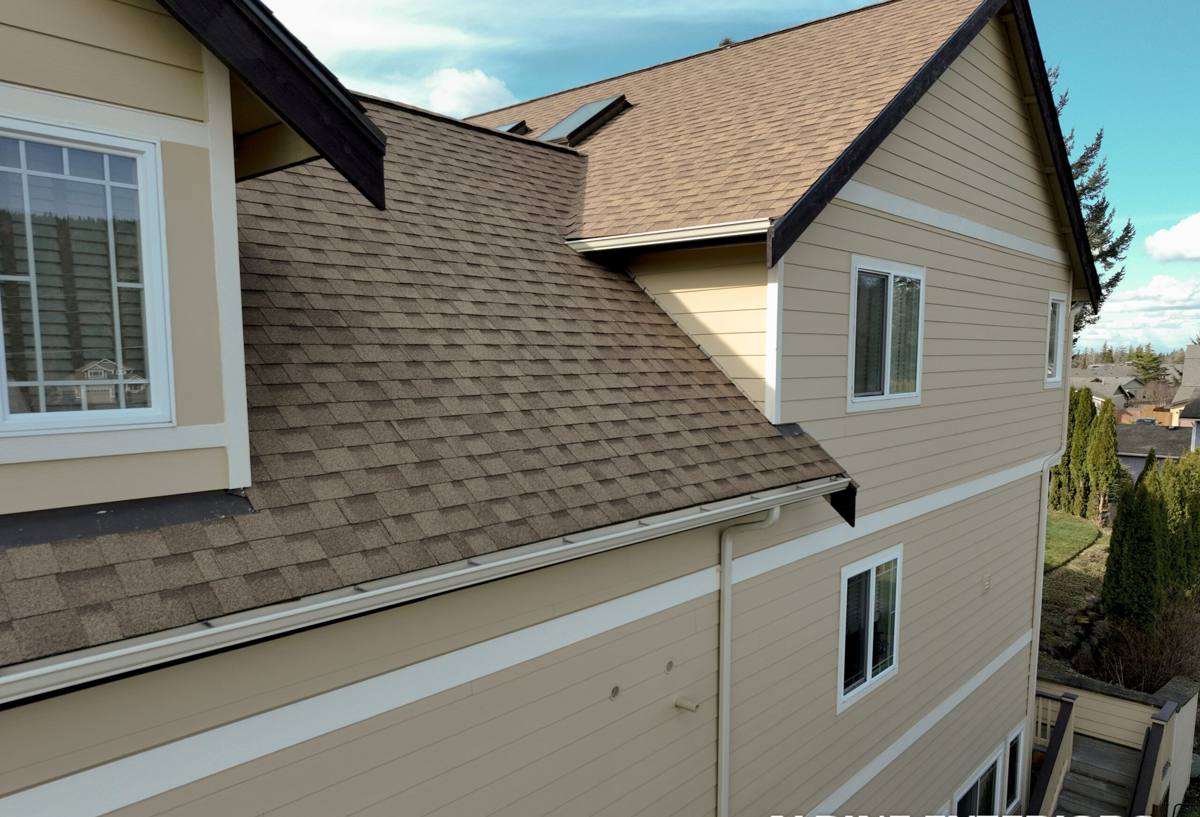
Why the Vertical Profile Is Less Forgiving Here
Wind and Wind-Driven Rain
Board and batten relies on raised battens over a base panel, which means more seams, more fastener penetrations, and more edges for wind to catch than a lapped horizontal board. In a straight-line wind event or a tropical system, those seams and edges are exactly where water intrusion and panel lift start if the flashing, fastening, and gapping weren't done to spec. Pinellas County sits in a wind-borne debris and high-wind zone, and siding here has to be detailed for that reality, not just for how it looks on a calm day.
UV and Heat
Florida sun is intense and consistent almost all year. Materials and finishes that aren't engineered for UV exposure will chalk, fade unevenly, or become brittle well before they would in a milder climate. Because board and batten uses long, unbroken vertical runs, uneven fading or color drift is far more visible than it would be on a shorter horizontal board.
Humidity and Salt Air
Coastal and near-coastal Pinellas County homes deal with humidity levels that stay high for most of the year, plus salt-laden air that accelerates corrosion on fasteners and metal flashing. A siding system that traps moisture behind the panel, or that uses fasteners not rated for a coastal environment, will show problems in years, not decades.
Board and Batten Isn't One Product — It's a Profile
"Board and batten" describes a look, not a material. It can be built out of vinyl, cedar or primed spruce, engineered wood like LP SmartSide, or fiber cement. Homeowners comparing quotes are often comparing very different products that happen to look similar in a photo. Here's the honest trade-off breakdown:
| Material | Moisture Behavior | UV / Fade Resistance | Wind & Impact Durability | Typical Maintenance |
|---|---|---|---|---|
| Vinyl | Doesn't rot, but can warp or buckle in extreme heat and gap at seams over time | Fades and can become brittle under sustained UV | Can crack or blow off in high wind if not rated and fastened correctly | Low, but limited repair options once faded or cracked |
| Cedar / primed spruce | Absorbs moisture; needs a sound paint film to stay protected | Requires repainting/refinishing on a regular cycle | Wood is combustible and softens over time with repeated wet-dry cycles | High — regular repainting and caulk maintenance |
| Engineered wood (e.g. LP SmartSide) | Wood-based core is more moisture-resistant than raw wood but still vulnerable at cut edges and unsealed penetrations | Good with factory finish; edges need field sealing | Combustible; performs well when installed and maintained to spec | Moderate — edge sealing and caulk checks matter |
| James Hardie fiber cement | Cement-based composition resists moisture absorption and does not rot | ColorPlus factory finish is baked-on and engineered for UV exposure | Non-combustible; HZ5 formulation engineered for high-humidity, storm-prone climates | Low — periodic cleaning and caulk inspection |
We don't install vinyl, engineered wood, or raw wood/cedar board and batten. Vinyl and wood-based products can be installed well by other crews, and each has legitimate uses — but for a Gulf Coast exterior that has to shrug off UV, humidity, wind, and salt air for decades, we've standardized on fiber cement because it's the material category that holds its shape, color, and integrity the longest with the least ongoing upkeep. That's a decision about long-term performance in this specific climate, not a knock on every product we don't carry.
Why We Build It in James Hardie
For the board and batten look, we generally work with James Hardie's vertical panel systems — HardiePanel vertical siding paired with battens, or the Artisan line where a more refined, tighter-reveal appearance is wanted. Both are manufactured in Hardie's HZ5 formulation, which is engineered specifically for high-humidity, hot, storm-exposed climates like ours rather than a one-size-fits-all national product.
- Non-combustible core — fiber cement doesn't feed a fire the way wood-based sidings can.
- ColorPlus factory finish — a baked-on finish that resists fading and chipping better than field-applied paint, with touch-up product available for the rare repair.
- Climate-engineered composition — the HZ5 formula is built around resistance to moisture and humidity swings, which matters more here than in a dry climate.
- Backed by a strong transferable limited warranty — worth reading closely, since warranty terms vary a lot between manufacturers and matter most when a product is decades into its life.
What a Correct Board & Batten Installation Actually Involves
The visual result of board and batten is simple — vertical boards, raised battens over the seams. What's underneath is where the job succeeds or fails.
Water Management Behind the Panel
Correct installation starts with a weather-resistant barrier and proper flashing at every horizontal transition — window and door heads, roof-to-wall intersections, and the base of the wall. Panels need the manufacturer-specified gap at the bottom to allow drainage and airflow, not a tight seal that traps moisture against the wall sheathing.
Fastening and Batten Spacing
Fastener type, spacing, and embedment depth are specified by Hardie for a reason — under-driven or over-driven fasteners are one of the most common causes of premature siding failure. Battens need consistent spacing and blocking behind panel seams so the wind load is actually transferred into the framing, not just resting on the panel face.
Caulking and Trim Detail
Every seam, corner, and penetration needs the right sealant, applied correctly — not as a cosmetic afterthought. In a climate with this much UV and humidity, cheap or misapplied caulk is often the first thing to fail, years before the siding itself would.
| Step Done Correctly | What Gets Skipped on a Rushed Job |
|---|---|
| Weather-resistant barrier installed and lapped correctly at every seam | Barrier stapled loosely or left un-lapped at transitions |
| Flashing at every horizontal penetration and roof line | Flashing skipped or improvised with caulk alone |
| Manufacturer-spec fastener pattern and embedment | Fasteners overdriven, underdriven, or spaced inconsistently |
| Bottom clearance gap maintained for drainage | Panels installed tight to grade or hardscape |
| Rated sealant at every joint, tooled properly | Generic caulk applied thin or skipped at hidden seams |
Our Process on a St. Petersburg Project
We start with an on-site inspection of the existing wall assembly, not just the visible siding, since what's underneath (sheathing condition, existing flashing, window integration) drives the real scope of work. From there:
- Assessment of existing siding, sheathing, and trim condition, with a written scope of what needs to be repaired or replaced before new siding goes on.
- Removal of the old siding and inspection of the wall for hidden moisture damage — this is where problems that caused the original siding to fail typically get found and addressed.
- Installation of a proper weather-resistant barrier and flashing package sized for wind-driven rain exposure.
- James Hardie panel and batten installation to manufacturer fastening and spacing specifications.
- Final trim, caulking, and a walk-through so you understand what was done and why.
We work in Pinellas County regularly, which means we're not learning local wind and building code requirements on your project. Permitting, wind-zone fastening requirements, and inspection expectations in St. Petersburg and the surrounding area are things a crew that works here consistently already has dialed in — that familiarity translates directly into fewer surprises and a faster, cleaner permit and inspection process.
Maintenance and What to Expect Long-Term
Fiber cement board and batten is low-maintenance compared to wood or vinyl, but "low-maintenance" doesn't mean "no maintenance." In St. Petersburg's climate, plan on:
- An annual visual check of caulk lines at seams, corners, and window/door trim — the first thing to fail is almost always sealant, not the panel itself.
- Periodic rinsing to remove salt residue and airborne grime, especially on homes closer to the water.
- Prompt attention to any impact damage (ladders, debris, lawn equipment) so a small chip doesn't become a moisture entry point.
- Keeping irrigation heads and sprinklers from constantly wetting the base of the wall, which shortens the life of any siding material.
Cost Factors to Expect
| Factor | Why It Moves the Price |
|---|---|
| Condition of existing sheathing/framing | Hidden moisture damage found during tear-off adds repair scope |
| Wall height and complexity | Gables, dormers, and multiple stories add labor and staging |
| Batten spacing and reveal chosen | Tighter reveals and custom spacing take more material and labor |
| Trim and transition detail | Window/door surrounds, corners, and roof transitions all need custom flashing work |
| ColorPlus finish selection | Factory-finish color options are priced as part of the panel order |
We give a firm, itemized number after the on-site assessment rather than a rough phone estimate, since the condition behind the old siding is the biggest variable on almost every project.
What to Ask Before You Hire
- Will you inspect and repair the wall sheathing before new siding goes on, or just cover what's there?
- What weather-resistant barrier and flashing detail will you use at windows, doors, and roof lines?
- What fastener type and spacing pattern will you follow, and is it to manufacturer spec?
- Is the product rated for this climate zone, and what does the warranty actually cover?
- Do you regularly pull permits and pass inspections in this county, or is this your first project here?
If you're weighing board and batten for a home in St. Petersburg, we're glad to walk the exterior with you, point out anything that concerns us, and give you a straight answer on what a correct job would involve — no pressure, no upsell. Reach out for a free estimate using the form below.