 Largo Window
 Why Treasure Island Roofs Wear Out Faster Than Most
Treasure Island sits out on the Gulf, with almost nothing between the shoreline and your roof deck. That exposure changes the math on how long a roof lasts. Salt-laden air corrodes exposed metal — fasteners, flashing, drip edge, vent stacks — faster than it does even a few miles inland in Largo or the rest of Pinellas County. Add in wind-driven rain that gets pushed sideways and upward under shingle laps during a storm, plus some of the most intense year-round UV exposure in the country baking the surface every single day, and you have a roof system that's working harder than one on a typical inland home.
None of this means Treasure Island homes need exotic materials or special tricks. It means the installation details that get skipped or rushed on an easier job — proper underlayment coverage, correct fastening patterns, sealed penetrations, real wind-uplift ratings — are the details that actually matter here. A roof replacement done to the letter of code, with materials matched to a barrier island climate, is what keeps a home dry and insurable for the long haul.
Signs a Treasure Island Roof Needs Replacing, Not Patching
Coastal wear doesn't always show up as an obvious leak. Watch for:
- Granules collecting in gutters or at downspouts, or shingles that look bald and shiny in patches
- Shingle edges curling, cupping, or lifting, especially on the roof planes that face the water
- Rust streaking below metal flashing, vent boots, or exposed fasteners
- Soft or spongy spots when walking the roof, which usually mean the deck underneath is compromised
- Ceiling stains or musty smells in the attic after wind-driven rain, even without a visible roof leak
- Missing or lifted shingles after any named storm or strong squall line
- A roof age that's approaching or past its material's expected service life, especially if it's never been replaced
- An insurance company flagging the roof on a 4-point inspection or wind mitigation report
Any one of these on its own might be a repair. Several together, or a roof past the age where patching still makes financial sense, usually means it's time to replace the whole system rather than keep chasing individual leaks.
What a Correct Roof Replacement Involves
Tear-off and deck inspection
We remove the old roofing down to the deck rather than layering over it. That's the only way to actually see what's underneath — rot, delamination, old nail holes, or deck sections that have gone soft from years of small leaks. Any bad decking gets replaced before anything new goes down, because no underlayment or shingle can compensate for a weak deck underneath it.
Underlayment and secondary water barrier
This layer is what keeps a home dry if wind ever drives rain up under the shingles or tile, which happens more often on an exposed barrier island than it does inland. A properly lapped, fully sealed synthetic or self-adhering underlayment system acts as the roof's backup plan, and it's not a place to cut corners.
Fastening and wind rating
Every roofing material carries a wind-uplift rating tied to how it's fastened — nail pattern, nail length, and nail placement all affect real-world performance in a storm. Florida Building Code sets minimum requirements for this, and this stretch of Gulf coast design wind speeds are among the higher ones in the state. We fasten to the rating the material and the code call for, not the fastest pattern to install.
Flashing, vents, and penetrations
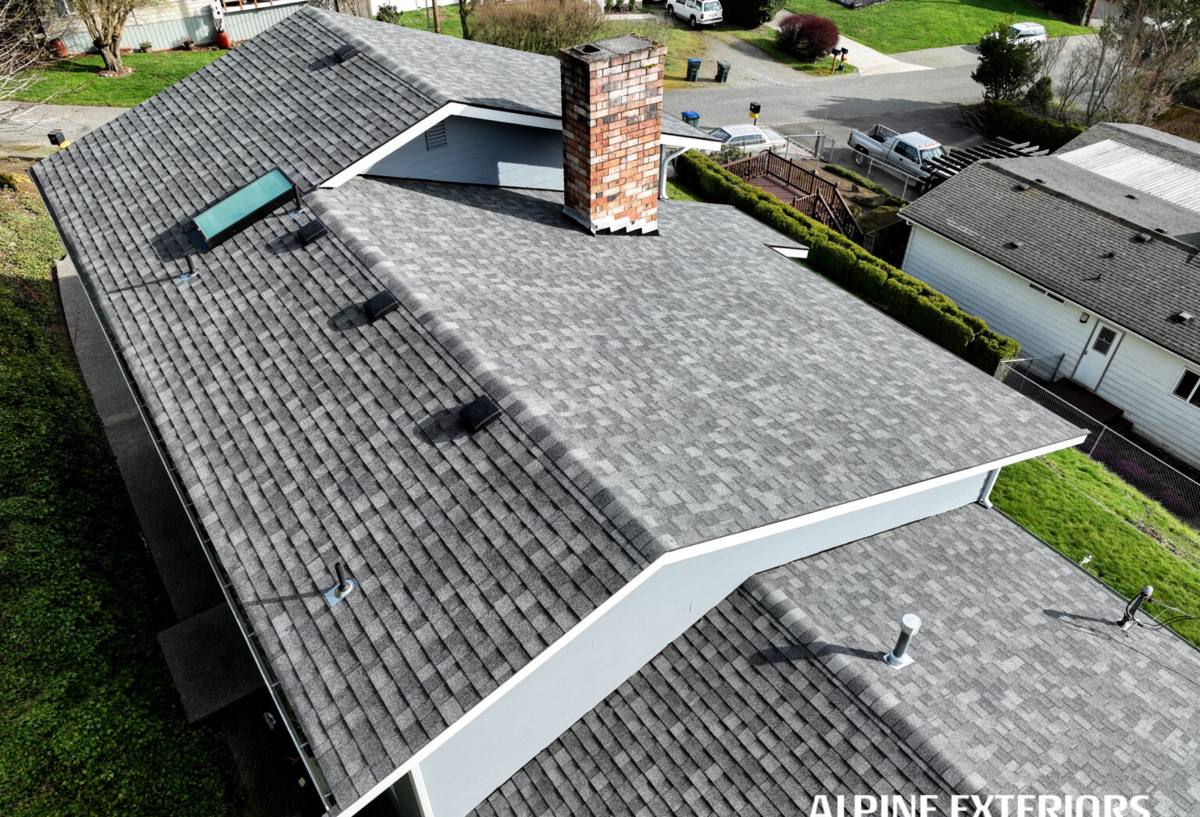
Chimneys, plumbing stacks, skylights, and roof-to-wall transitions are where most leaks actually start, not the open field of shingles. Salt air accelerates corrosion on cheap or mismatched metal flashing, so we detail these areas with materials built to hold up in a coastal environment and seal them correctly the first time.
Ventilation
A roof that can't breathe traps heat and moisture in the attic, which shortens shingle life from underneath and can encourage mold. Balanced intake and exhaust ventilation is part of a correct install, not an upsell.
Choosing a Roofing Material for a Barrier Island Home
There's no single "best" roof for Treasure Island — the right choice depends on your budget, how long you plan to stay in the home, and how much maintenance you want to think about. Here's how the common options compare for this specific environment:
| Material | Salt Air / Coastal Performance | Wind Performance | Maintenance | Relative Cost |
|---|---|---|---|---|
| Architectural asphalt shingle | Good, with corrosion-resistant fasteners and flashing | Strong when rated and installed correctly | Low; periodic inspection after storms | Budget-friendly to mid-range |
| Standing seam metal | Excellent with the right coating and fastener metallurgy | Very strong; performs well in high wind | Low; occasional coating checks over decades | Mid-range to premium |
| Concrete or clay tile | Very good; the tile itself resists salt well | Strong when properly fastened; underlayment quality matters most | Moderate; occasional cracked-tile replacement | Premium |
Whatever material a homeowner chooses, we're honest about the trade-offs rather than pushing whatever has the best margin. Tile looks great and lasts a long time, but underlayment failure years down the road is a bigger, more expensive repair than a shingle roof would be. Metal costs more up front but can outlast two or three shingle roofs. We'll walk through what fits your home, your budget, and how long you plan to own it.
Permits, Codes, and Insurance for Treasure Island Homeowners
Every roof replacement in Pinellas County requires a permit and inspections through the local building department — that's not optional, and it's not something a homeowner should waive to save time. Permitted work also protects you: it creates a paper trail that matters when you sell the home or file an insurance claim.
Because Treasure Island is a barrier island, some properties fall into flood zones that add extra steps to permitting, and homes that are part of a condo association or HOA may have their own material or color approval process on top of the county's requirements. We handle the permitting and inspection scheduling as part of the job, and we'll flag early if your property needs any association sign-off before work starts.
On the insurance side, a new roof installed to current code, with documentation, is often what makes a wind mitigation inspection worth doing — it can lower premiums on a coastal property where insurers are paying close attention to roof age and condition. An older roof, on the other hand, is increasingly what triggers a 4-point inspection flag or a non-renewal notice from a carrier.
How the Job Actually Runs
- On-site inspection and honest estimate. We look at the deck, the current roof's condition, and the roof's exposure before recommending anything.
- Material walkthrough. We go over the options in the table above against your budget and priorities — no pressure toward the most expensive system.
- Permitting. We pull the permit and coordinate any required inspections with the county before and after work.
- Tear-off day. Old roofing comes off, landscaping and property get protected, and the deck gets a real inspection once it's exposed.
- Deck repair. Any soft or damaged sections are replaced before new roofing goes down — never covered over.
- Installation to code. Underlayment, flashing, fastening pattern, and ventilation are installed to the standards this climate requires, not the minimum that gets past a quick glance.
- Final inspection. The county inspector signs off before we consider the job complete.
- Cleanup. Full debris haul-off and a magnetic sweep for stray nails and fasteners.
Why a Crew That Already Works Treasure Island Matters
A barrier island job has logistics an inland roof doesn't. Streets are narrow, staging space and parking are limited, and getting a dumpster or material delivery onto the island means planning around bridge and causeway access. A crew that's worked here before knows how to stage a job without blocking a neighbor's driveway for a week or fighting the same access problem every morning.
There's also the matter of material judgment. A crew that only works inland can under-spec fasteners and flashing without realizing it, because the failure mode — rust and corrosion — takes years to show up. A crew that's replaced roofs on this stretch of Gulf coast before has already seen what generic hardware looks like after five salt-air seasons, and specs accordingly from the start. Familiarity with the local building department and any condo or HOA approval processes on the island also keeps a permit from stalling a job for weeks.
What Actually Drives the Cost
Every estimate is different, but the factors that move the number up or down are consistent:
| Factor | Effect on Cost |
|---|---|
| Roof size, pitch, and access | Steeper or harder-to-access roofs take more labor and safety setup |
| Number of existing layers and deck condition | Extra tear-off and any deck replacement add material and labor |
| Material choice | Shingle, metal, and tile carry different material and labor costs, as shown above |
| Flashing and penetration count | More chimneys, skylights, and vents mean more detail work |
| Permitting and flood zone requirements | Some properties need extra documentation or steps before work starts |
| Time of year | Demand rises ahead of and after hurricane season, which can affect scheduling |
We break all of this down in writing before any work starts, so there are no surprises once the tear-off begins.
Ready for a Straight Answer on Your Roof?
If your roof is showing wear, coming up on an insurance inspection, or you just want an honest read on how much life it has left, we're glad to take a look. We'll give you a clear, no-pressure estimate and tell you what we'd actually do if it were our own home on the water. Fill out the form below to get started.